30-Day Melbourne to Perth Road Trip + FREE Map

40 min read Jump to section
We’ve done the big lap twice, and believe us when we say that the stretch from Melbourne to Perth is one of the most incredible in all of Australia!
You have the opportunity to tick off some truly iconic road trips: Great Ocean Road, Kangaroo Island, Eyre Peninsula, the Nullarbor, the Southwest… with all the incredible places to visit in between.
That’s why this Melbourne to Perth itinerary is 30 days long! We designed it so you can tick off the highlights without spending most of your time behind the wheel.
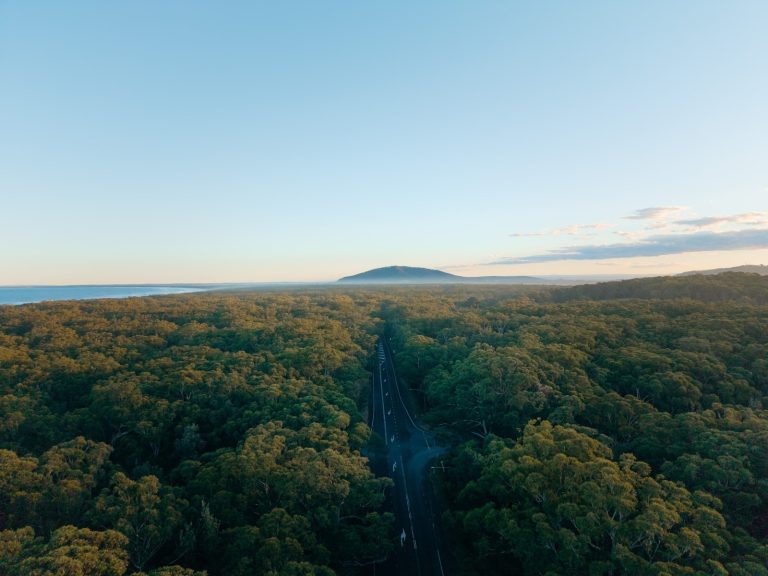
The route covers over 5000 km, crosses two time zones, and includes the Nullarbor, which is a whole mission in itself.
You’ll need to be strategic with your planning, or you’ll end up missing the good stuff (or running out of fuel in the middle of nowhere).
That’s where this guide comes in. We’ve packed it with all our favourite stops, places to stay, and things to do each day. If you’re short on time or have already seen a few spots, you can easily trim it down.

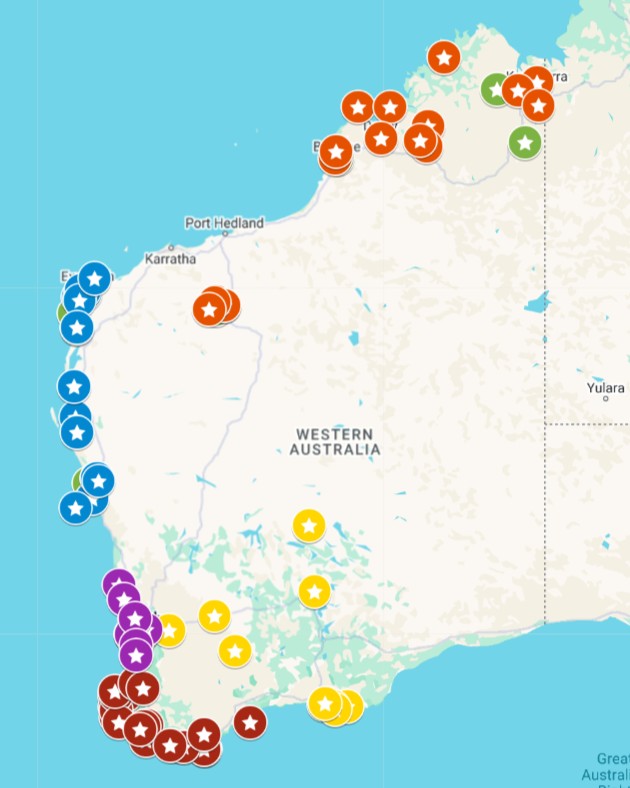
You’ll also get a free map you can save to your phone, plus our honest tips on what you need to know before you hit the road!
We recognise the traditional owners of the lands we’re exploring.
Day 1: Melbourne to Apollo Bay via Torquay (3 hours, 195 km)
Hit the road early from Melbourne and you’ll be in Torquay in about 90 minutes. It’s the official start of the Great Ocean Road!
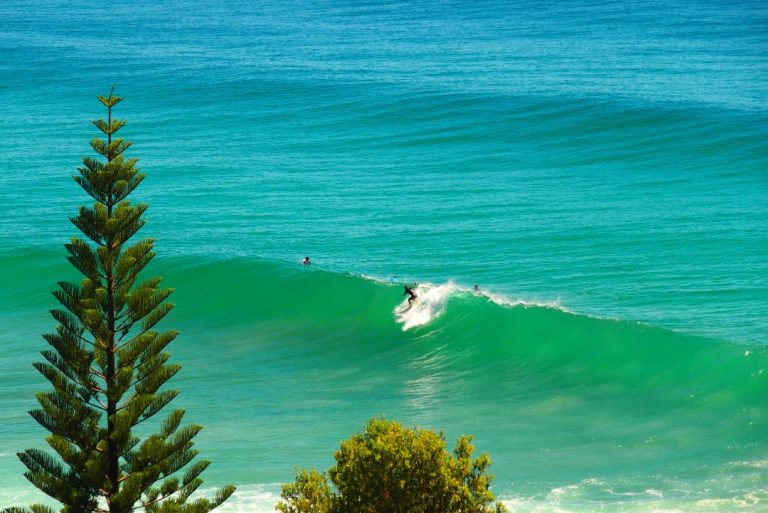
Pull in at Bells Beach for a quick look. Even if you’re not a surfer, it’s worth stretching your legs and watching the locals tackle the waves. It’s also got a few decent bakeries and coffee spots if you need a pick-me-up.
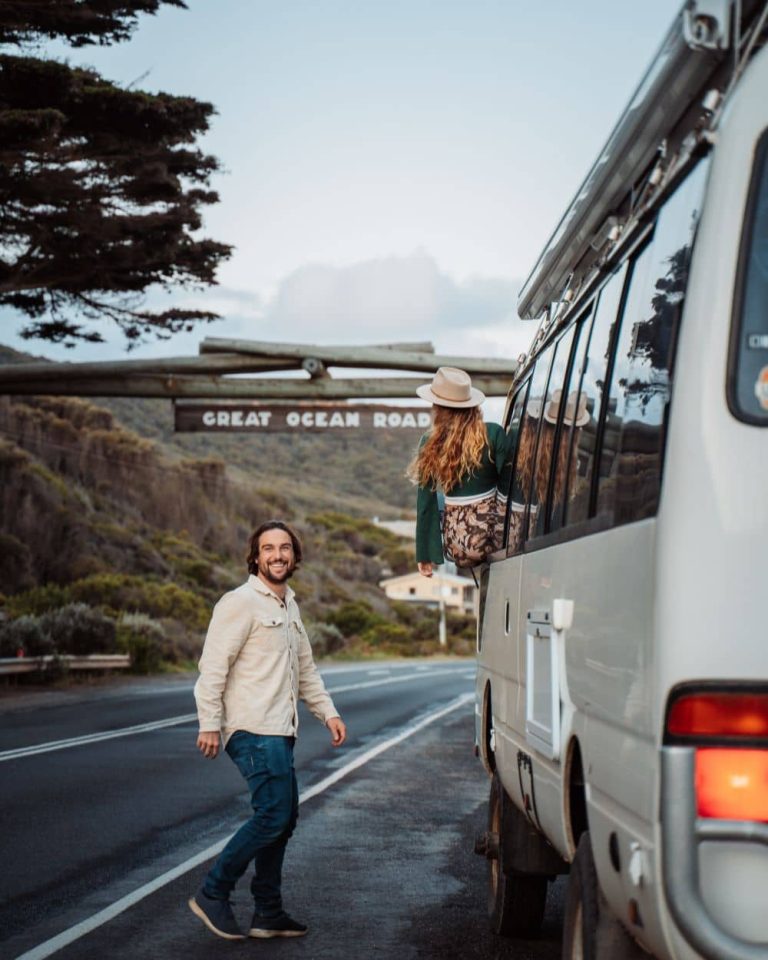
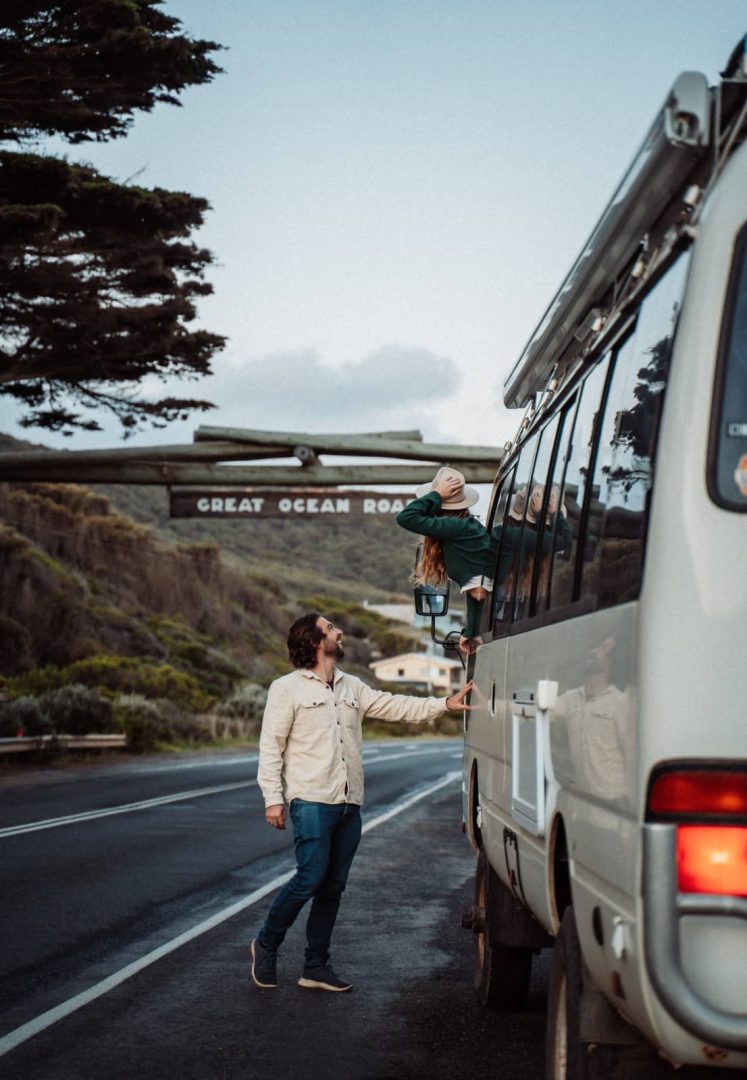
Next, stop at the Memorial Arch for that classic Great Ocean Road photo. It gets busy, but the photo is worth the wait.
Lorne is a great spot for lunch, there’s a bunch of cafés and shops to check out.
If you’re keen for a walk, Sheoak Falls is a quick but beautiful one. Erskine Falls is also great, but it’s a bit of a detour.
Then continue to Kennett River and keep an eye out for wild koalas and parrots, there’s a great nature walk where you can see them hanging around.
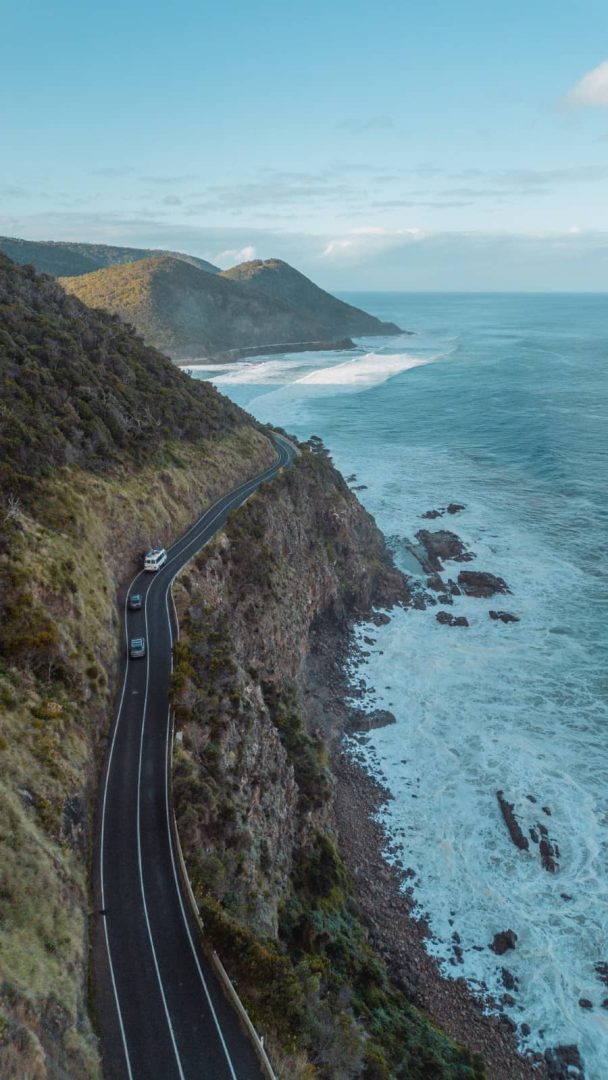
The drive from Skenes Creek to Apollo Bay is incredible, with twisty roads, ocean views, and rainforest. Once you hit Apollo Bay, kick back for the evening and enjoy the slower pace.

Where to stay in Apollo Bay
Apollo Bay is a favourite stop on the Great Ocean Road, so you’ll want to book your spot early, especially in peak season.
There are a few campsites in town with powered and unpowered sites, but they fill up fast. Check here for availability and details.
If you’re watching your wallet, the YHA Apollo Bay is a solid pick. It’s clean, social, and right in the middle of everything.
If you’re going with your family, check out the Apollo Bay Waterfront Motor Inn. It’s across from the beach, and you can get rooms that fit up to four people.
If you’re keen for something a bit more upmarket or just want to chill out, look at Skenes Creek. There are some great Airbnbs by the water and a caravan park.
Day 2: Apollo Bay to Port Campbell (2.5 hours,150 km)
It’s a big day, so hit the road early and pack your own snacks, there’s barely anywhere to eat between Apollo Bay and Port Campbell.
Start by visiting one of our favourite places in the region, Great Otway National Park! The first stop is Maits Rest, a quick rainforest walk that’s easy and lush, perfect for starting your day.

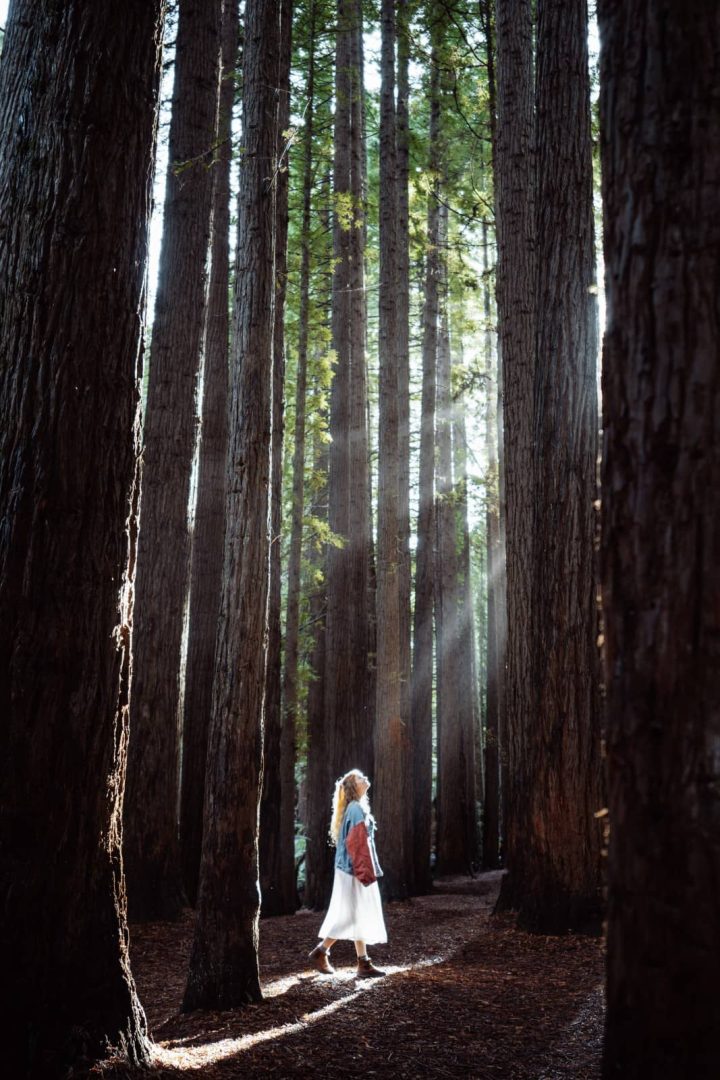
The magical redwood forest The Otways
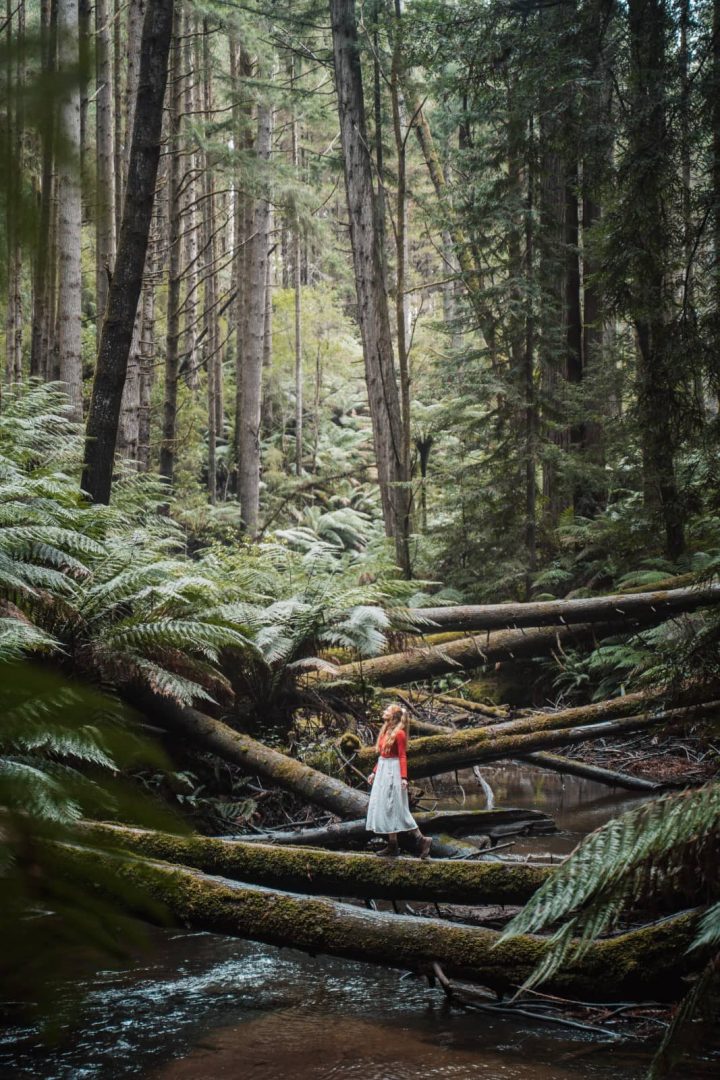
Then, you have a few options we recommend visiting if the weather is nice, they’re a short drive away from each other:
- Californian Redwoods Forest, with 60-metre-tall trees! You’ll feel like you’re in a fairy forest.
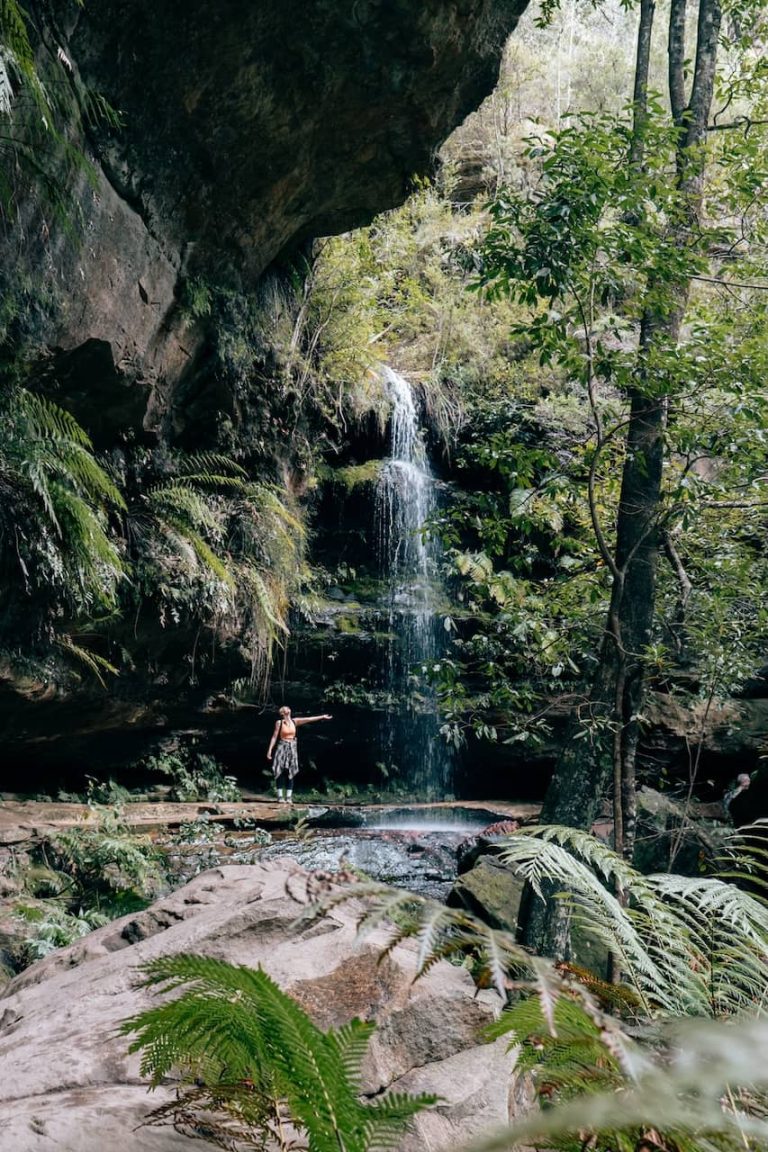
- Hopetoun Falls, a spectacular waterfall. You can check out the base via a staircase,
- Beauchamp Falls, another beautiful waterfall, shorter but more dramatic than Hopetoun in our opinion.
- Triplett Falls is also great but it’s a bit further out, worth the extra drive though!
Cape Otway Lightstation is a beautiful stop too, but it’ll add an extra 1.5 hours of driving time, so only go if you’re keen.
Then, start making your way to Port Campbell, where you’ll check out the big-ticket sights:
- Gibson Steps, one of our favourites, absolutely worth the walk down to the beach!
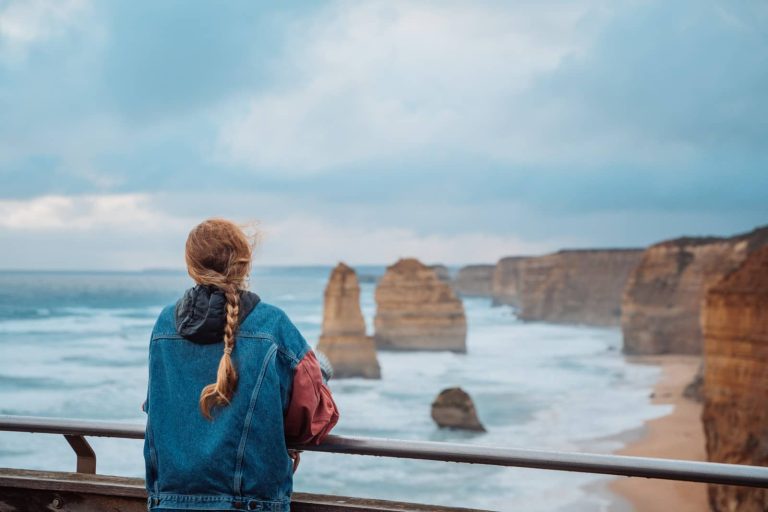
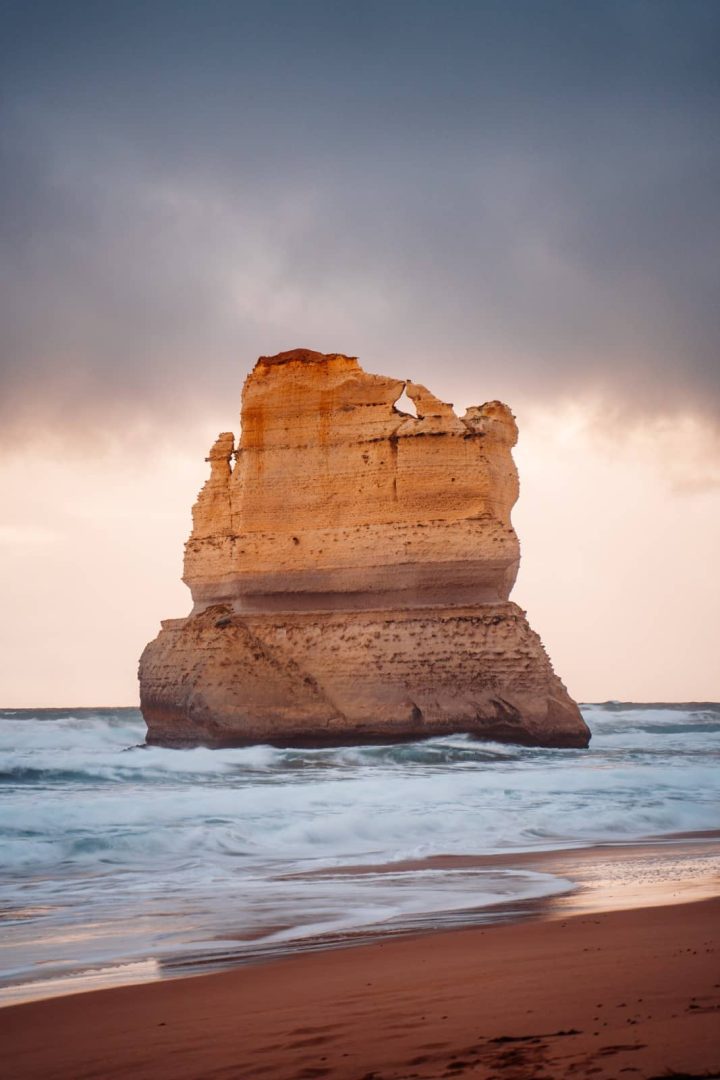
- Twelve Apostles are next, epic but expect crowds between 10am-4pm. If you can, go at sunrise or sunset for the best light (and fewer people).
- The Razorback is just down the road and easy to check out.
- Loch Ard Gorge is also iconic.
Gibson Steps Twelve Apostles
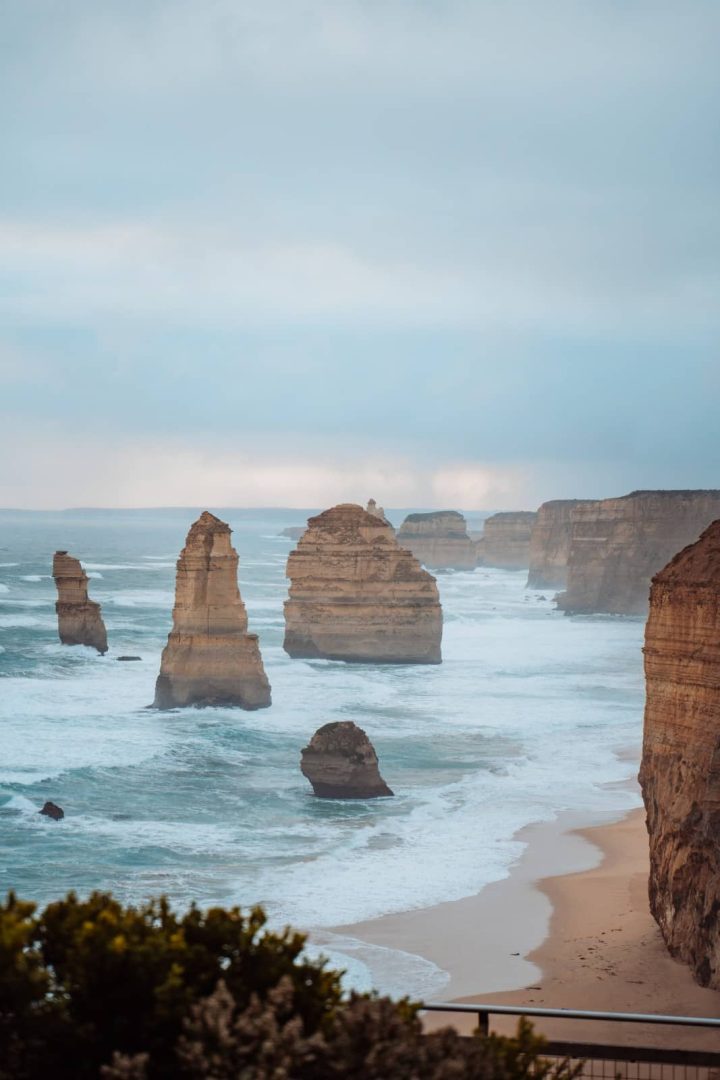
Note: At the time of writing, Gibson Steps and Loch Ard Gorge are closed due to safety issues. You can still see them through their car parks, but double-check this before going in the Parks Victoria website.
Where to stay in Port Campbell
Port Campbell gets busy, so you’ll want to book your spot early, especially in peak season.
There are a few campsites around with powered and unpowered sites, they’re epic but fill up fast. Check availability here.
If you’re after something budget-friendly and right on the beach, the Southern Ocean Motor Inn is a solid pick. They’ve got options for couples, families, and even self-contained apartments if you want to cook your own meals.
The Port Campbell Parkview Motel & Apartments is another good choice, especially for families. It’s not on the beachfront, but it’s clean, comfy, and usually a bit quieter.
If you don’t mind being a little further out, Peterborough is about 10 minutes down the road. It’s quieter, usually has more availability, but there’s not much going on. It’s good if you prefer somewhere quieter.
Day 3: Port Campbell to Mount Gambier (2h45m, 230km)
Start early and tick off a few more Great Ocean Road icons before you leave Victoria!
London Bridge, The Grotto, Bay of Martyrs and Bay of Islands are all worth a quick stop. They’re usually less crowded than the Twelve Apostles and just as dramatic.
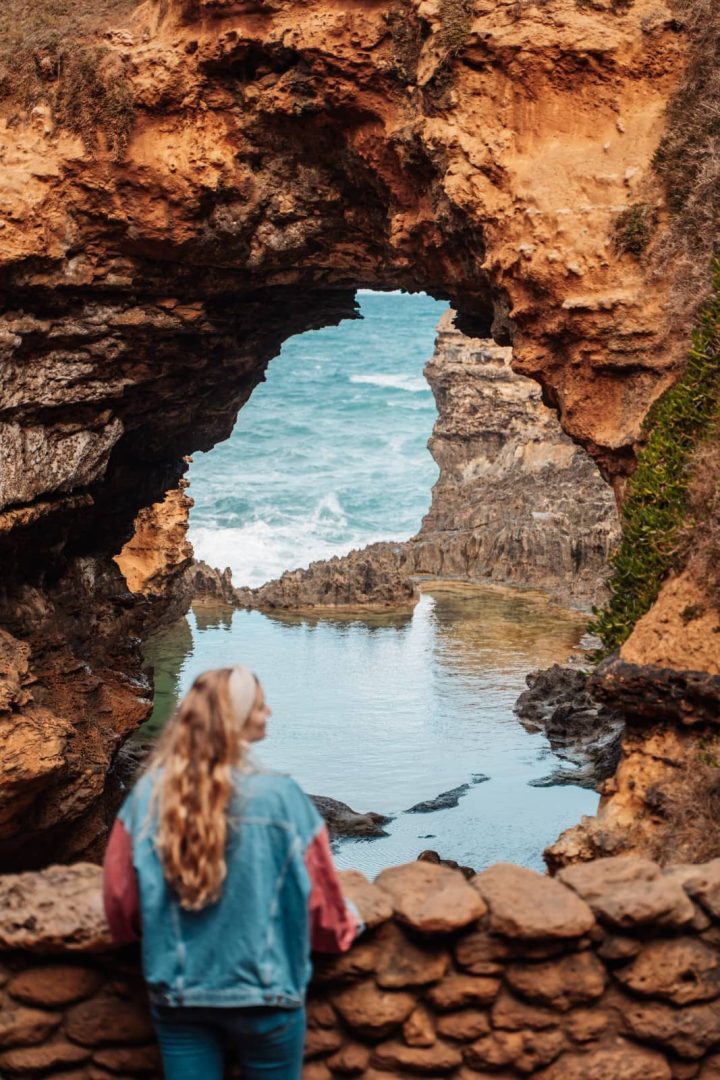
You’ll be crossing from Victoria into South Australia today. Don’t forget to turn your clocks back 30 minutes. SA is half an hour behind VIC.
There are also strict rules about what you can bring across the border (no fruit or veggies, for starters). Check here to know what you can and cannot bring.
On the way, here are a couple of spots to break up the drive:
- Warrnambool. Good for a coffee stop, bakery run, or a quick wander along the foreshore.
- Heywood. Not much going on, but it’s a handy spot for fuel and a stretch before you hit the border.
The drive itself is pretty cruisy, with rolling farmland and the odd coastal view. Not a lot of food options between towns, so grab supplies before you leave Port Campbell if you’re fussy.
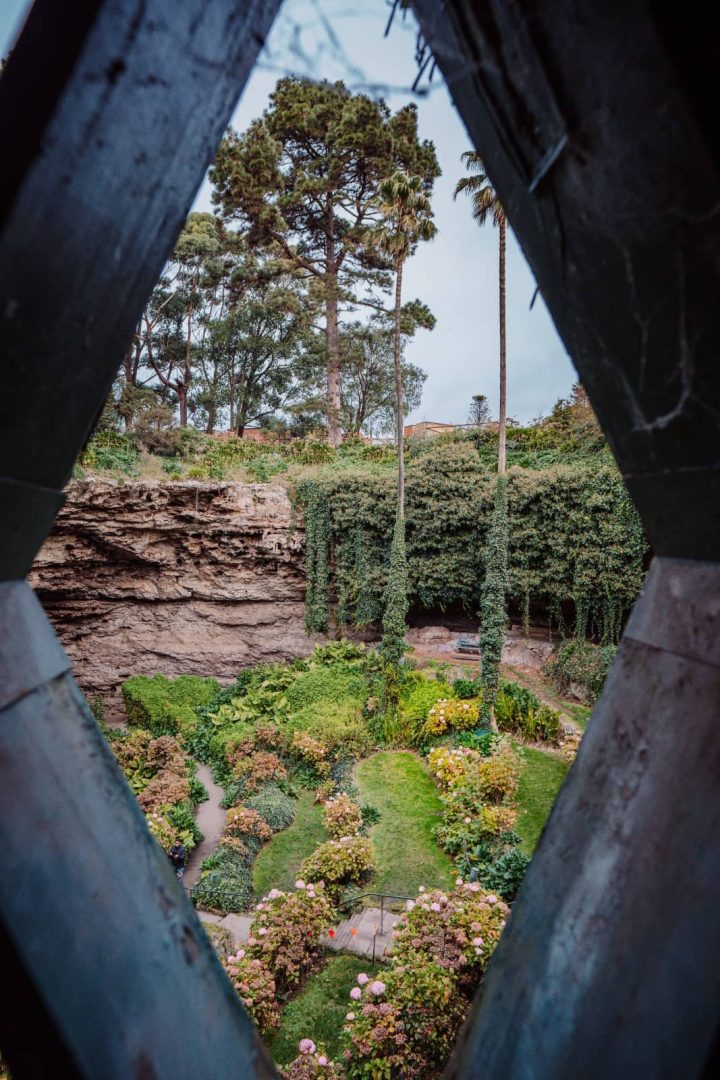
Once you hit Mount Gambier, you’ll notice the famous Blue Lake (it really is THAT blue in summer) and a few sinkholes around town which we LOVE.
Settle in, you’ll have time to explore properly tomorrow!
Where to stay in Mount Gambier
You’ll want to spend 2 nights in Mount Gambier to see the main sights without rushing. There’s a few of options, whether you’re after a comfy hotel, a campsite, or something a bit different:
- For hotels, the Mount Gambier Hotel and Nightcap at Federal Hotel. Both have great locations and options for couples and families.
- For campsites, Pine Country Caravan Park is excellent and a bit outside of town, great if you’re after a more peaceful vibe.
- For quirky stays, The Old Mount Gambier Gaol is a great one, it used to be a prison and has a great location. There’s also accommodation at Kilsby Sinkhole, best if you want to enjoy the sinkhole, it’s outside of town though.
Day 4: Mount Gambier
You’ve got a full day to check out Mount Gambier, and there’s plenty to keep you busy! Here are some of our favourites:
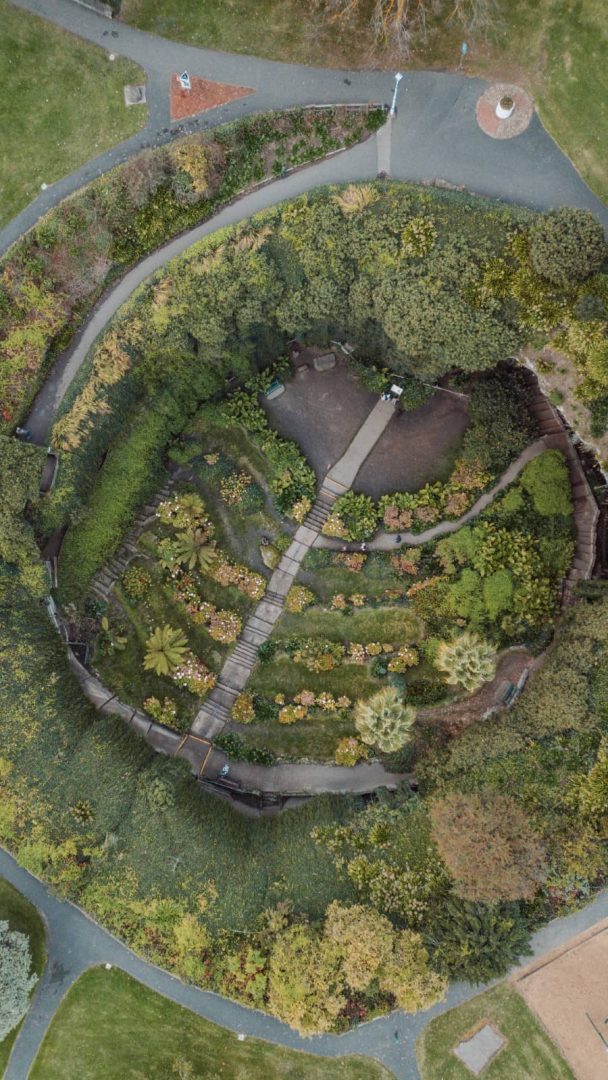
- Umpherston Sinkhole / Balumbul. It’s a sunken garden right in town! Free to enter and honestly pretty wild to see. Go early or late to dodge the crowds and spot the possums.
- Centenary Tower. It’s a steep walk up, but the views over the lakes and town are worth the leg burn. It’s a couple of bucks to get inside if it’s open, but you can still enjoy the lookout for free.
- The Blue Lake. Famous for its colour change, bright blue in summer, grey in winter. There’s a walking path around the rim if you want to stretch your legs, and it’s all free.
- Engelbrecht Cave. Only accessible by guided tour, so you’ll need to book ahead. It’s not massive, but the underground chambers are cool if you’re into caves.
- Little Blue Lake. A short drive out of town and a top spot for a swim if the weather’s warm. It’s free, but there aren’t many facilities, so bring what you need.
- Ewen Ponds. It’s a bit further out, but if you’re up for snorkelling, it’s unreal, with crystal clear water and heaps of aquatic plants. You need a permit and must book ahead, but it’s worth it!
- Kilsby Sinkhole. Another incredible snorkelling spot nearby. It’s a paid experience and you have to book, but the water clarity is next level! It’s a truly unique experience.

Ewen Ponds Diving at Kilsby Sinkhole
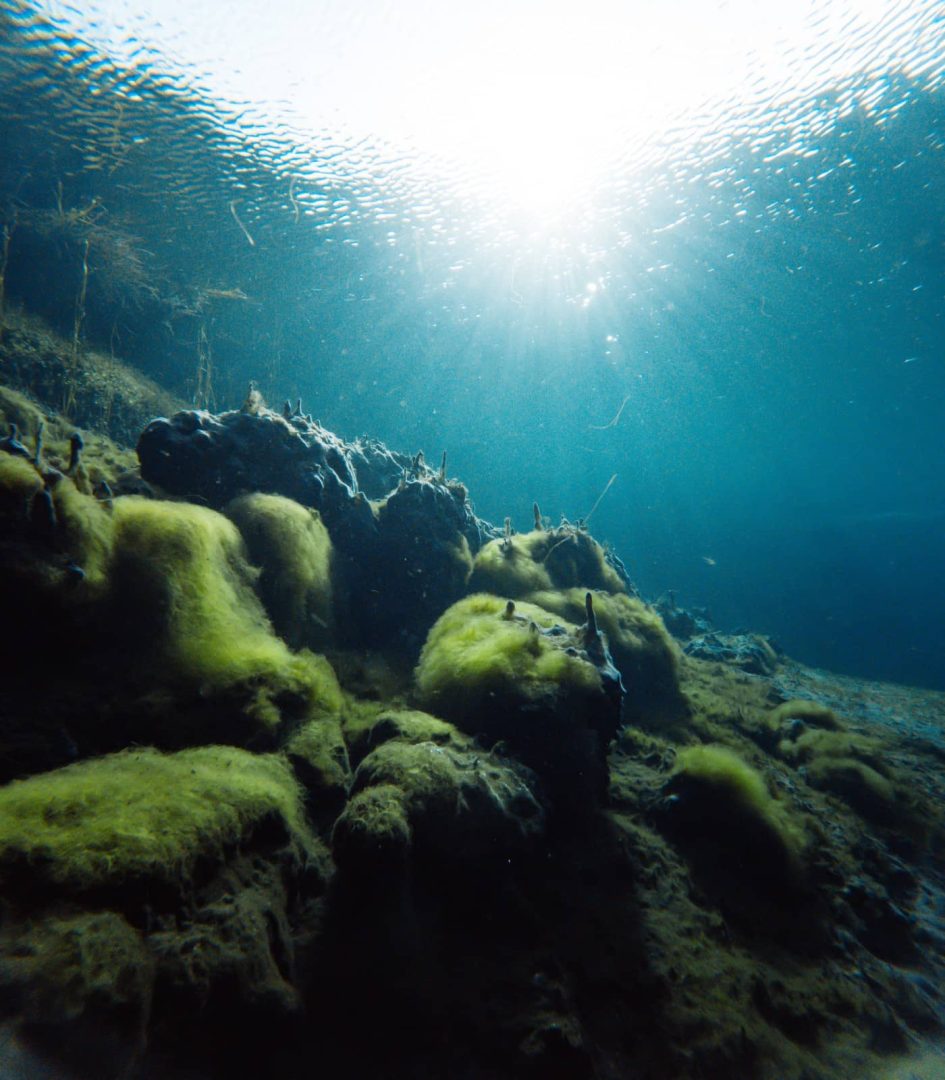
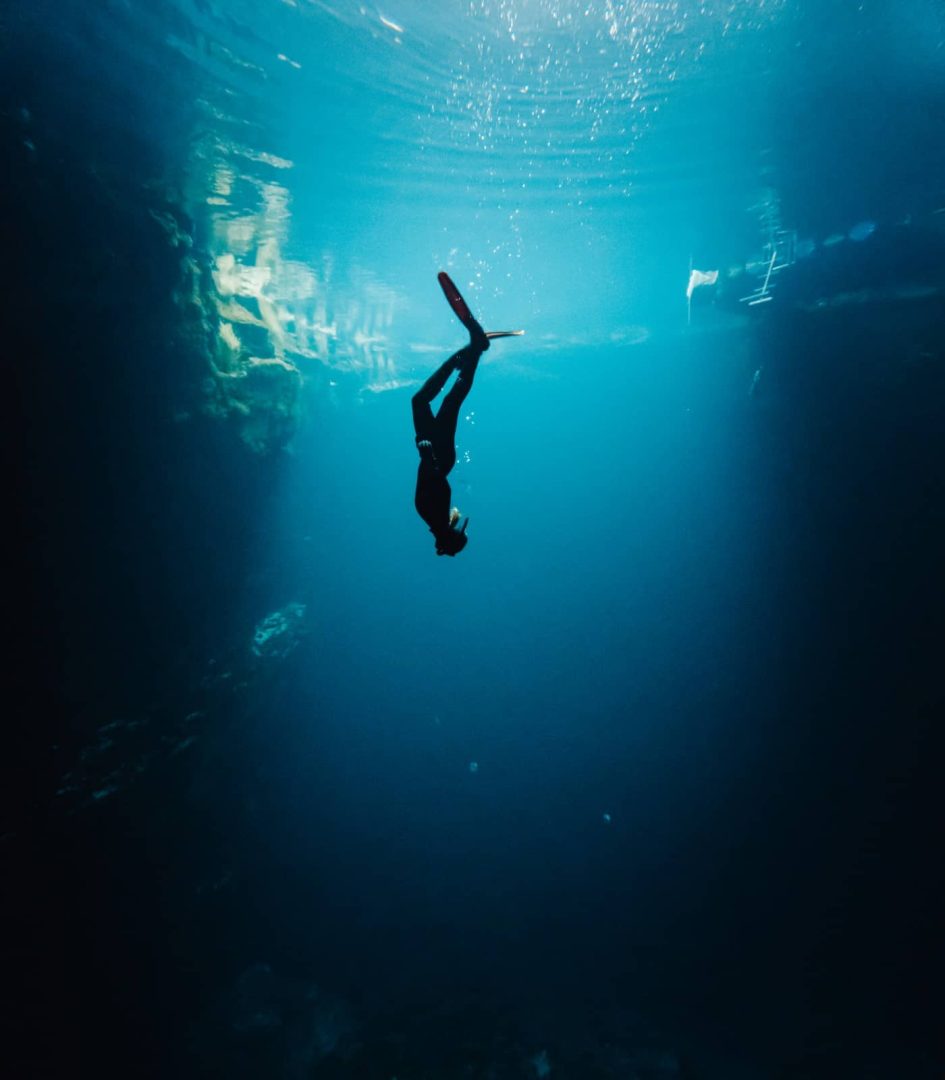
You can pack a lot into one day here, but don’t try to do every single thing. Pick a couple that suit your pace and enjoy it!
Day 5: Mount Gambier to Adelaide (4.5h, 435km)
It’s a long drive today, so get an early start and fuel up before you leave Mount Gambier! There are a few good spots to break up the trip to Adelaide:
- Naracoorte. Worth a quick detour for the World Heritage-listed caves if you’re into fossils and underground adventures.
- Keith. Classic country town, good for a coffee and a stretch.
- Tailem Bend. Handy spot for lunch with a view of the Murray River.
- Mount Barker. Just before Adelaide, it’s got some great bakeries and a nice main street if you want a last snack before the city traffic.
The road is mostly flat and straight, but watch for trucks and wildlife, especially early morning or late arvo.
There aren’t heaps of petrol stations between towns, so don’t push your luck on fuel.
Once you hit Adelaide, you’ll be straight into city life, including the traffic, big supermarkets, and all the creature comforts!
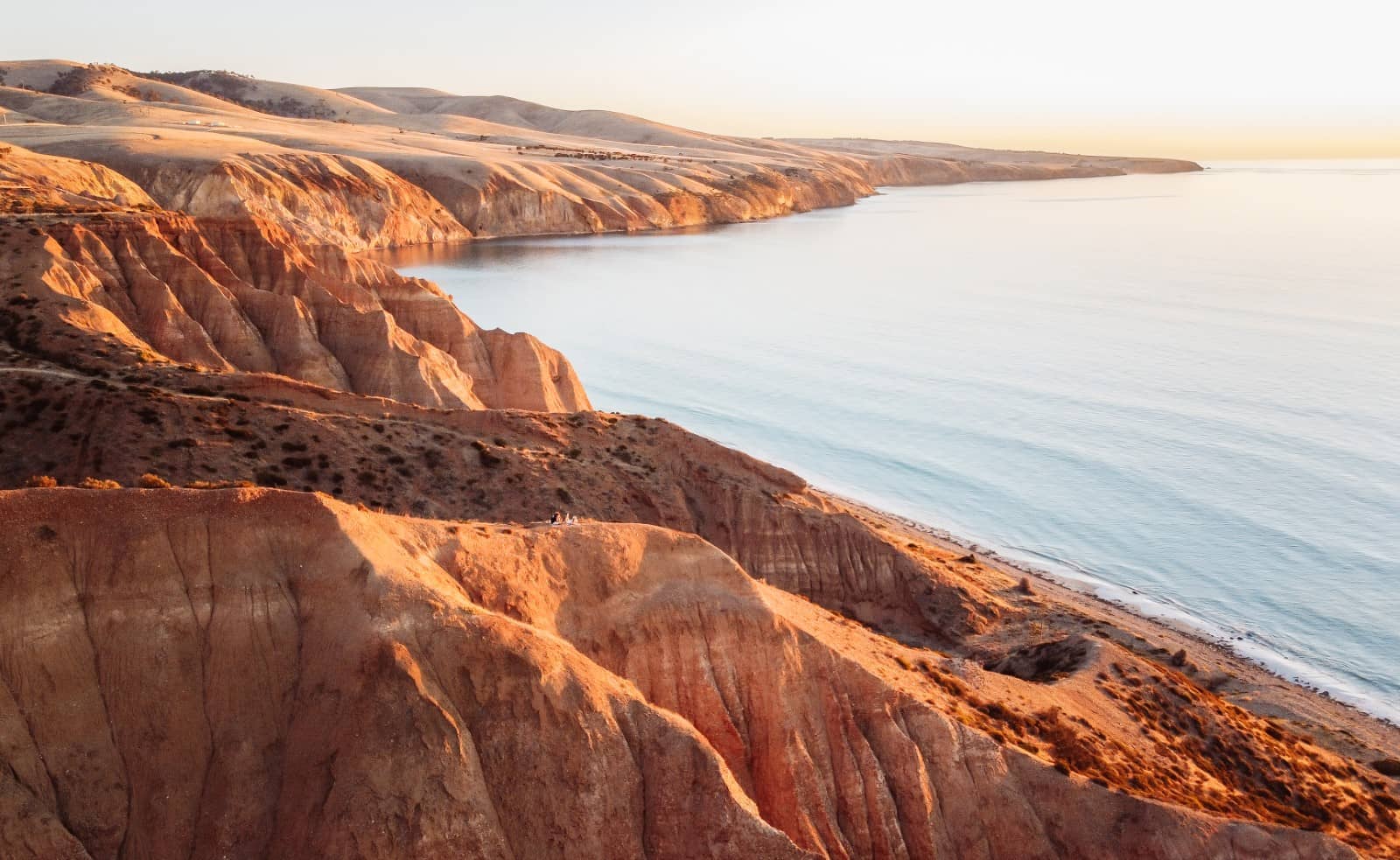
Where to stay in Adelaide?
You’ll stay in the area for the next 5 days to explore the city and the nearby Kangaroo Island.
If you want to be right in the thick of things, look for accommodation in the Adelaide CBD area. The Mayfair Hotel is great but a bit fancy, while the Adelaide Riviera Hotel is more affordable and still central.
If you’d rather wake up near the water, check out Lakes Hotel or the Atlantic Tower Motor Inn, both are close to the beach and good for a stroll at sunset.
For campers and van-lifers, the Aspen Caravan Park is handy to the city and has decent facilities.
But if you want to be closer to the sand, the Discovery Parks West Beach and the one in Adelaide Beachfront are both solid picks, especially if you want to avoid city traffic.
Day 6-10: Adelaide & Kangaroo Island
There are heaps of things to do in and around Adelaide, which is why we recommend spending 5 days in the area: 3 in Adelaide and 2 in Kangaroo Island.
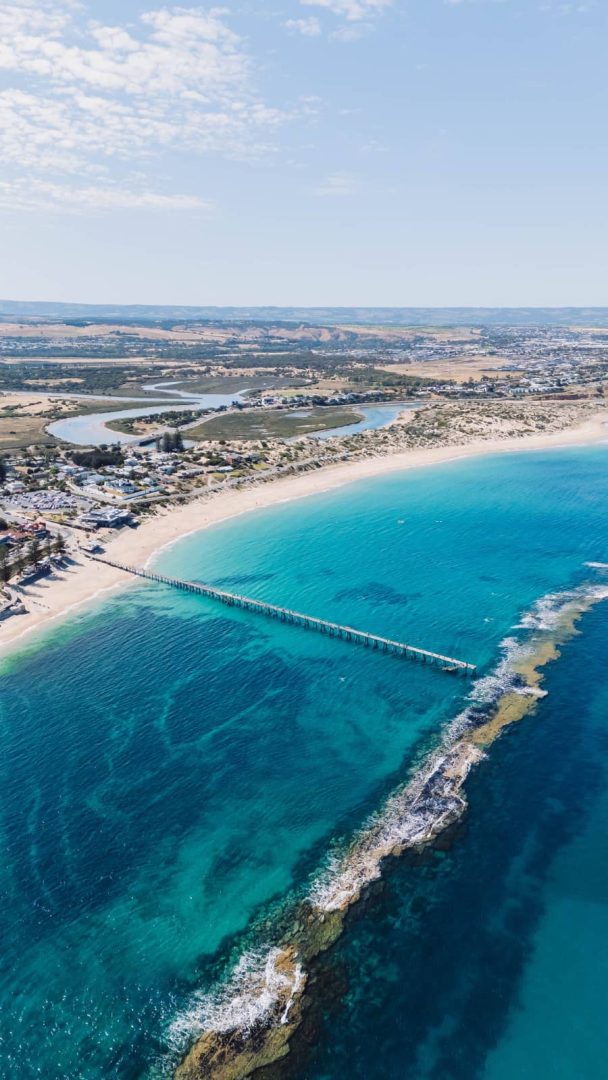
Here are some ideas on what to do in Adelaide:
- Explore Adelaide Central Market for local food and coffee.
- Check out North Terrace for museums and galleries
- Chill out at the Botanic Gardens
- Take the tram to Glenelg for a classic Adelaide beach
- Snorkel Port Noarlunga Reef (look for leafy seadragons)
- Surf Southport, Seaford Reef, or Middleton Beach
- Go to Barossa Valley or McLaren Vale for wine
Here are some of the top rated tours in Adelaide if you’re keen:
And don’t skip Kangaroo Island if you can! It’s a bit of a drive from Adelaide so it’s not really a full-day thing in our opinion.
If you can spare 2-3 days, here are some epic things you can do there:
- Go to Seal Bay Conservation Park for a close look at sea lions (entry fee applies, but it’s worth it).
- Check out beaches like Snelling Beach, Stokes Bay, Emu Bay. All of them are beautiful.
- Visit Remarkable Rocks and Admirals Arch for wild coastal views.
- See platypuses, seals, echidnas, possums, there are heaps of wildlife on the island
- Try the iconic King George whiting burger at Vivonne Bay General Store

Day 11: Adelaide to Port Augusta (3.5h, 320km)
Hit the road early out of Adelaide to Port Augusta. It’s an easy drive but it can feel long if you’re not breaking it up.
There’s not much else between towns except flat farmland and the odd roadhouse, so make sure you’ve got snacks and a full tank before you leave Adelaide.

We recommend stopping at Port Wakefield for a quick stretch and a bakery run. The pies here are great and there’s a nice little foreshore if you need a leg stretch.
Next up is Port Pirie, about halfway.
It’s worth a wander if you want a proper break! There’s a waterfront park, a few quirky old pubs, and a maritime museum if you’re into that sort of thing.
Then continue to Port Augusta, your base for the night. It’s not the prettiest town, but it’s handy for stocking up and getting sorted before you head north into the outback.
Where to stay in Port Augusta?
Port Augusta is a classic stopover town (it’s known as the crossroads of Australia for a reason!), so you’ll find plenty of places to crash for the night. Here are a few we reckon are worth checking out:
- Discovery Parks Port Augusta is our pick if you’re rolling in with a van or want a cabin. It’s got all the basics sorted and is easy to get in and out of.
- Pampas Motel is a budget-friendly spot that’s clean and comfy. Good for a quick overnight.
- Majestic Oasis Apartments are a solid choice if you want a bit more space and your own kitchen. Handy if you’re staying a couple of nights to check out the area.
Day 12: Port Augusta to Port Lincoln (3.5hr, 340km)
You’re heading onto the iconic Eyre Peninsula today! The seafood here is next level, so get ready to eat well.
There are a couple of good stops on the way down:
- Whyalla. Worth a look for the jetty (it’s shaped like a loop), and if you’re here in winter, you might spot cuttlefish!
- Cowell. Small town, but the bakery is a winner and the oysters are to die for.

The drive is pretty cruisy, but it can get windy and there’s not a lot between towns, so fuel up and grab snacks before you leave Port Augusta.
Your destination is Port Lincoln, where you’ll stay for three nights. This gives you time to check out the coast and maybe even spot a sea lion or two before the big Nullarbor drive!
Where to stay in Port Lincoln?
Port Lincoln has a good mix of places to stay, whether you’re rolling in with a van or looking for a comfy bed. Here are a few we recommend:
- Port Lincoln Tourist Park is the best spot for caravans and campers. It’s right on the water and has all the basics sorted.
- Pier Hotel is right in the middle of town, so you can walk to everything. The prices are decent and the pub downstairs is handy for a feed.
- Port Lincoln Hotel is the pick if you want a bit of luxury. The rooms are spacious and it’s worth it if you want to treat yourself before the long drive across the Nullarbor.
Day 13: Lincoln National Park
Lincoln National Park is absolutely beautiful, with a wild coastline, sandy bays, and proper Aussie bush. Entry’s free, so you can just roll in and start exploring!
The northern end is easy to get around in a 2WD, with sealed roads and plenty of beaches you can actually reach.
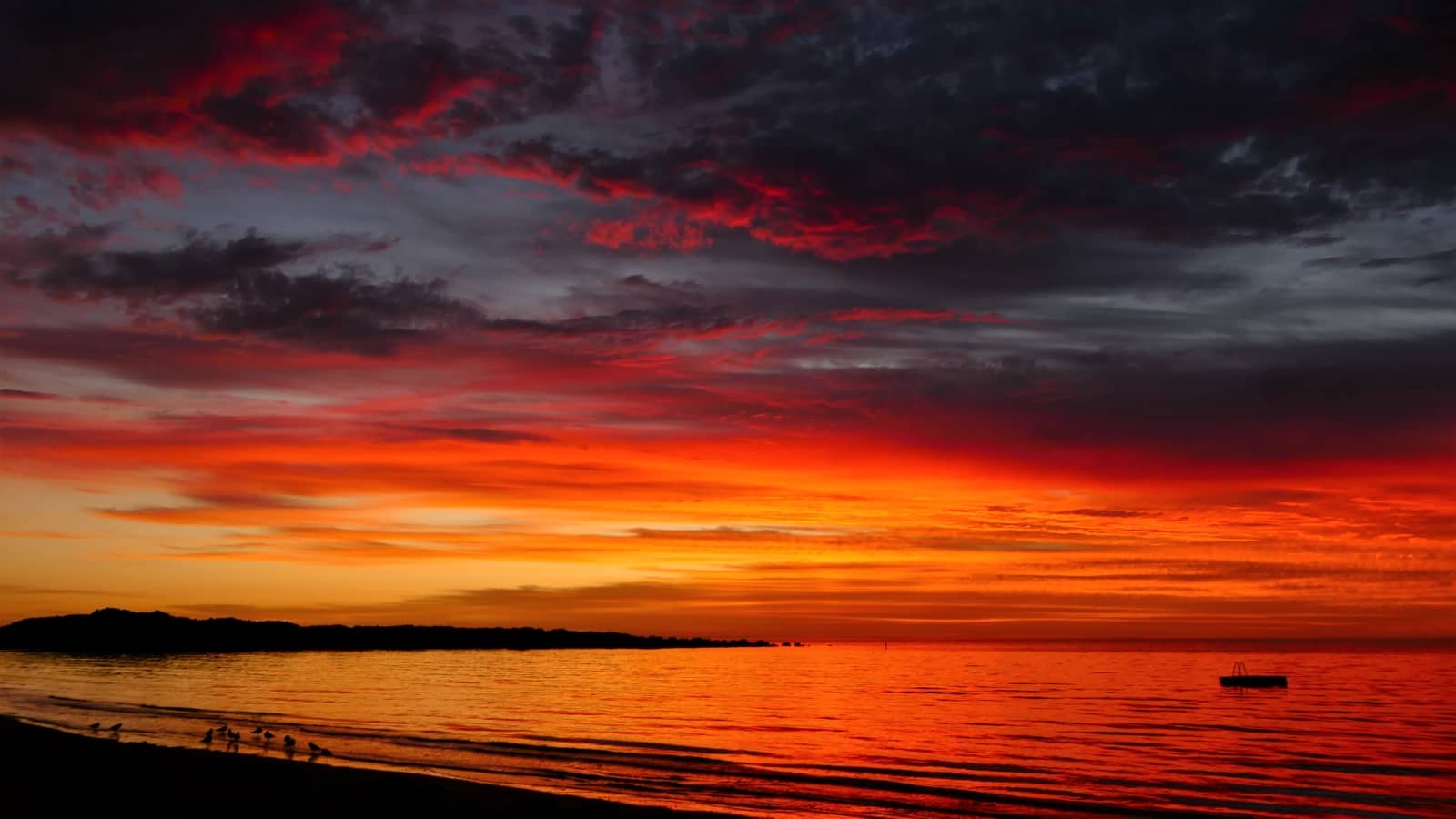
If you’re keen for a night under the stars, there are a few campgrounds around the park. Some are basic, but you’ll wake up to ocean views and maybe a kangaroo or two.
The southern section is 4WD only. If you’re set up for it, the tracks and secluded beaches are unreal.
For the latest info on what’s open, campground fees, or any alerts, check Lincoln Park’s official site here.
Day 14: Coffin Bay
Coffin Bay National Park is only half an hour from Port Lincoln and well worth the detour. Entry’s free, and there are campgrounds if you want to stay the night.
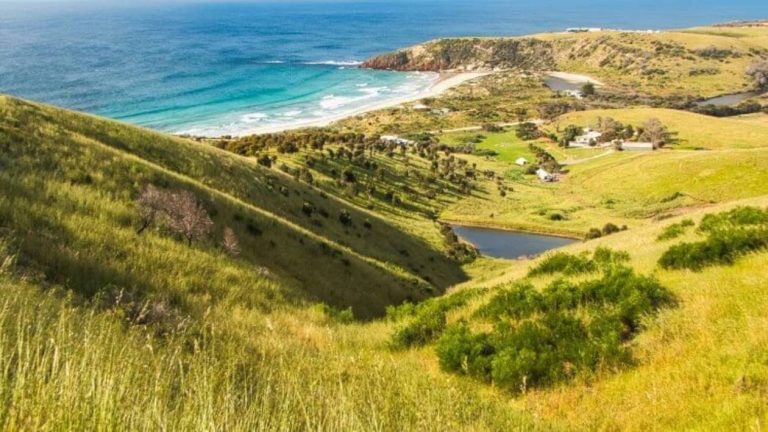
Yangie Bay (the southern end) is 2WD-friendly, so head there if you’re keen! You can go kayaking, hiking, or just enjoy the lookouts.

If you’ve got a high-clearance 4WD, the northern side is where things get wild. We’ve heard the fishing and surfing up there are next level, but don’t bother unless you’re set up for soft sand and rough tracks.
For the latest info on things to do, campground fees, and any park alerts, check Coffin Bay’s official site here.
Day 15: Port Lincoln to Ceduna via Streaky Bay (4.5h, 405km)
Big drive today, so get an early start and break it up with a proper stop in one of our favourite places in the area, Streaky Bay.
It’s an excellent spot to stretch your legs and go for a swim. Soak it up, you won’t see another swimmable beach for a while!
There’s a good bakery in town, and the foreshore is a nice spot for a picnic.
If you’re up for a detour, swing by Elliston. The jetty’s worth a wander and there are some caves nearby if you fancy a bit of exploring.
Roll into Ceduna in the arvo. This is your last decent-sized town before the Nullarbor, so stock up on groceries, fuel, and anything else you need. Don’t count on much between here and WA.
When stocking up, keep in mind that you’ll be crossing into Western Australia in 2 days and there are strict rules about what you can bring over the border.
Fresh fruit, veggies, honey, and some other foods will get confiscated, so check the official list here before you pack.
Also try to grab enough supplies for the next 4-5 days (until you hit Norseman). Roadhouse food is pricey and options are pretty basic.
Fill up your water tanks and jerry cans too. Water isn’t always easy to find and it’s not always drinkable. If you’re fussy about coffee, bring your own beans or pods, because you won’t find much decent stuff along the way.
Sort out your cash here as well, since some stops only take cash or have dodgy EFTPOS. Once you leave Ceduna, you’re on your own for a while, so come prepared!
Where to stay in Ceduna?
Ceduna has pretty basic accommodation (mostly caravan parks and motels), here are some recommendations:
- BIG4 Ceduna Tourist Park is our pick for caravanners and campers. It’s got roomy sites, clean facilities, and it’s close enough to walk into town for supplies.
- Ceduna Foreshore Hotel Motel is a solid choice if you want a comfy bed and don’t want to pay a fortune. It’s right on the water and you can wander to the pub or bakery in a couple of minutes.
- Shelly Beach Caravan Park & Beachfront Villas is worth booking if you want a day to chill before crossing the Nullarbor. It’s a bit out of town, but you’ll get direct beach access and a quieter spot to unwind.
Day 16: Ceduna to Nullarbor Roadhouse via Penong (3hr, 296km)
Hit the road early from Ceduna and head for Penong.
Stop there to break the trip at the Windmill Museum. It’s an open-air display with windmills of all shapes and sizes, including the biggest one in Australia. Good spot to stretch your legs and snap a photo.
If the weather is good, definitely take the detour out to Lake MacDonnell, a pink and blue lake separated by the road. It’s one of the most photogenic spots on this stretch!
But if it’s overcast, maybe skip it altogether. The road was unsealed last time we went but in great conditions, so you’ll be fine in a 2WD unless it’s been raining.
If you’re into surfing and don’t mind a rugged detour, Cactus Beach is a 4WD-only adventure. The surf’s legendary, and there’s a basic bush campground with the coolest outdoor showers. Bring everything you need, though!
After Penong, it’s a pretty uneventful run to Nullarbor Roadhouse, where you’ll spend the night.
Day 17: Nullarbor Roadhouse to Eucla (2h, 197km)
If you’re travelling between June and October, start your day by heading to the Head of Bight for some of the best whale watching in the country!
It’s a small entry fee and you’ll see the moms and calves swimming around real close, it’s incredible. Here’s more info if you’re keen.

Back on the road, make sure you pull over at the Bunda Cliffs. These 120-metre limestone walls drop straight into the Southern Ocean and stretch for over 200 km! The views are otherworldly.
If you’re up for a little detour, check out Koonalda Homestead. It’s an abandoned, slightly creepy spot on the SA side, but it’s a cool slice of Nullarbor history if you’re into that sort of thing.
Then, you’ll cross from SA into WA. Remember they’re super strict about what you can bring across the border, the list is here. Also, WA is 2h30m behind SA, so wind your clocks back when you cross!
Once you hit Eucla, pop into the little museum to read about the Nullarbor Nymph (yep, a fake wild woman story that actually brought tourists here in the 70s).

You can also go to the Old Telegraph Station ruins, which are half-buried in sand dunes and make for a surreal photo. Just follow the rough track from the car park. It’s fine for 2WDs but the signage is pretty average.
If you’re feeling adventurous, you can head to the Eucla Jetty, but it’s a 20–30 minute walk through dunes with no clear path, so only do it if you’re confident with navigation (bring a compass).
More things to do on the Nullarbor here!
Where to stay?
You technically can’t free camp on the Bunda Cliffs, as rangers do patrol and fines are a thing. If you’re set on camping, you’ll need to park well back from the edge (it’s windy as anything up there, so peg down hard).
For a proper bed, keep driving to Eucla. It’s the biggest stop on this stretch, just over the WA border.
The Eucla Motor Hotel & Caravan Park has motel rooms, a pool, and a decent pub meal, but you have to call them to book your spot (no online bookings atm).
If you’d rather not cross the border yet, the Border Village Roadhouse is your go-to. Clean rooms, powered sites, and they run on their own “Border Time” so don’t trust your phone clock.
Day 18: Eucla to Caiguna (3.5hr, 337km)
This stretch is classic Nullarbor: long, flat, and not much to look at. Fill up in Eucla and double-check your snacks, because there’s not much between stops.
You’ll see signs for caves along the way, but most are either closed or need a proper 4WD to reach.
We haven’t tackled them ourselves (not keen to get bogged solo), but if you’re set up for off-roading, locals reckon Weebubbie, Abrakurrie, Madura, and Cocklebiddy Caves are the picks.
Just be careful, these caves are unmarked and there’s no phone signal.
There’s not much else at Caiguna except the roadhouse, so don’t roll in expecting a town. Grab fuel, stretch your legs, and get ready for another big day on the road tomorrow.
Where to stay in Caiguna?
There’s really only one spot in Caiguna, the local roadhouse. It’s basic but does the job, with rooms if you want a proper bed, or powered and unpowered sites if you’re camping or in a van.
The roadhouse restaurant is surprisingly decent for a spot in the middle of nowhere. You’ll find hot meals, snacks, and a cold drink after a long drive.
Don’t expect luxury, but it’s safe and clean enough for a night’s rest. Showers and toilets are available for guests, and there’s fuel on site (though it’s not cheap).
Day 19: Caiguna to Norseman (4hr, 371km)
Today you’ll kick off with the famous 90 Mile Straight! The longest dead-straight stretch of road in Australia, and the second in the world.
Pull over at the sign for a photo, it’s a rite of passage (and the only interesting thing for a while).

The Caiguna blowhole is also worth a quick stop. It’s literally a hole in the ground that “breathes” as the air pressure changes underground. You’ll find it just off the highway, a short drive from Caiguna.
We seriously recommend driving this bit early in the morning, though, especially in summer.
We had to drive it during a heatwave once and it was brutal! The heat haze on the bitumen, nowhere to hide, and it’s way too easy to zone out.
Late in the day is not a good idea either because wildlife can get in the way, so try to do it in the morning.
There’s not much out here except the odd roadhouse, so fill up on fuel and snacks at Caiguna before you set off.

If you’re keen for a quirky stop, Balladonia Museum is worth a quick detour. It’s got bits of NASA’s Skylab that crashed nearby in ’79, plus some local history and air-con if you need a break.
Roll into Norseman by late arvo. It’s not the flashiest town, but you’ll be stoked to see a change of scenery and a proper bed.
Where to stay in Norseman?
There’s a free RV campground in town. Nothing fancy, but it does the job if you just need a spot to crash for the night.
As for hotels, The Railway Hotel is a classic country pub with rooms upstairs. It’s basic but clean, and you can grab a feed and a cold one without leaving the building.
The Great Western Motel is your best bet if you want a proper bed and a bit more comfort. The rooms are simple, but you’ll get air con and a hot shower.
Day 20-23: Norseman to Esperance (2hr, 204km)
If you want to go straight to Perth, you could drive 2 more days, stopping in Kalgoorlie and Southern Cross.
… But Norseman is a 2-hour drive from Esperance, one of the most incredible places in Western Australia!
Most people have it on their bucket lists forever because it’s so remote, but you’ll be nearby so you might as well visit it. You won’t regret it, trust us.

So leave Norseman early so you can squeeze the most out of your first day in Esperance. After the long, flat Nullarbor, this place feels like a reward!
We recommend hanging around 3 days to recharge and enjoy the area.
There are HEAPS to do here, but these are our top picks:
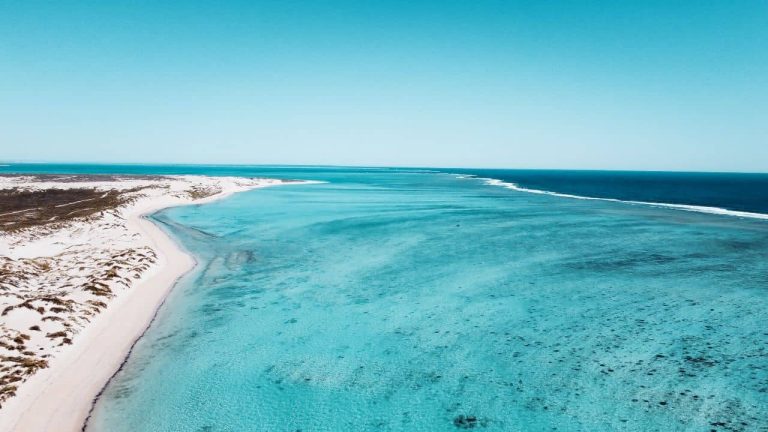
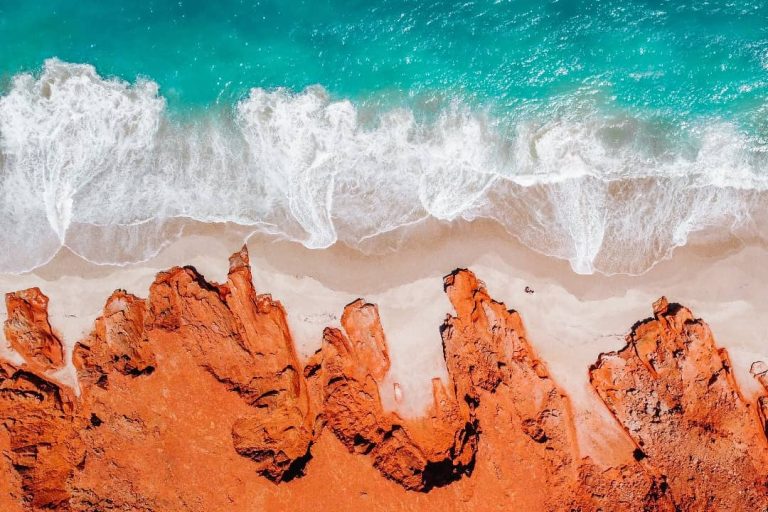
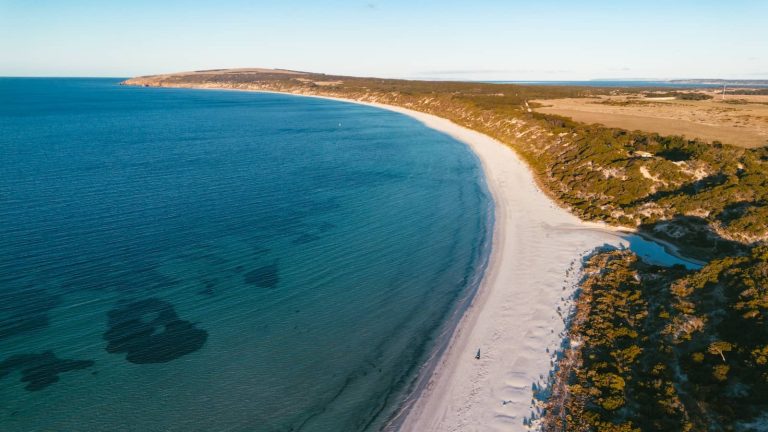
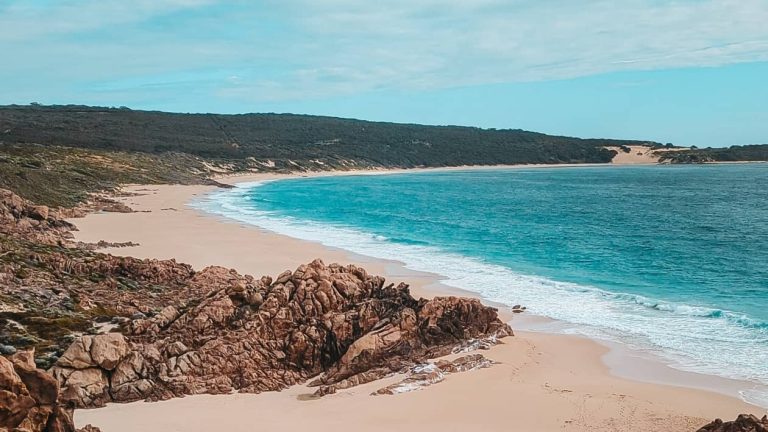
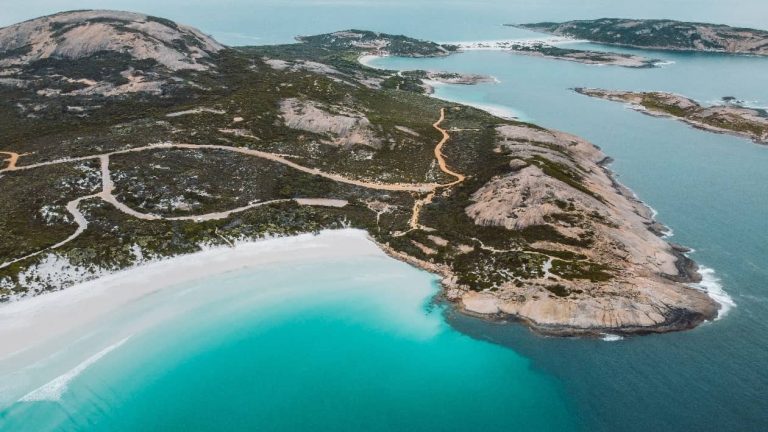
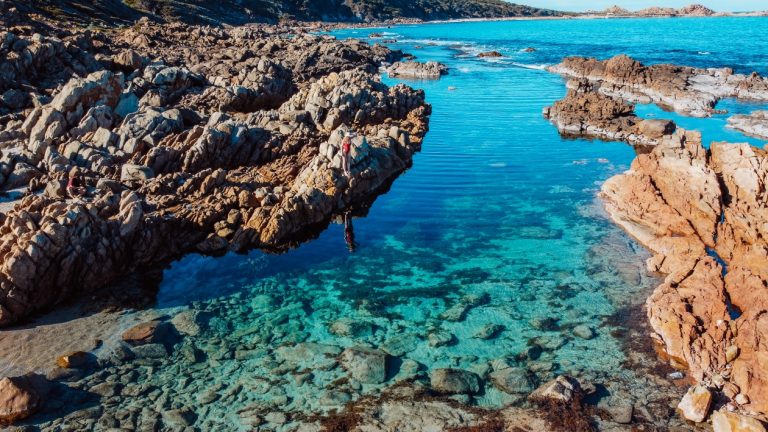
- Wharton Beach, hands down our favourite beach in Australia! The sand is blindingly white, the water is always clear, and has epic surfing. Plus you can 4WD on the beach!
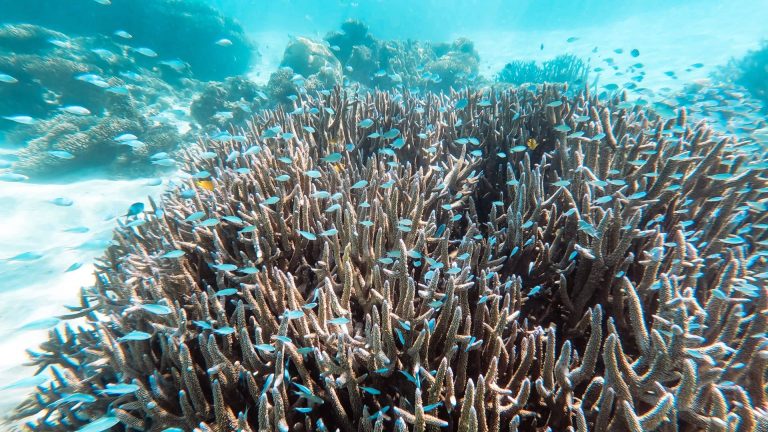
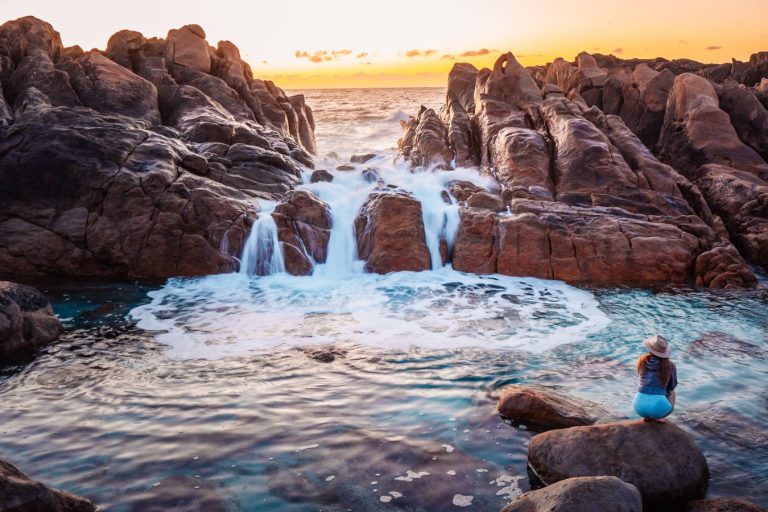
- Twilight Beach, perfect for swimming, snorkelling, or surfing. There’s a massive boulder just offshore that’s perfect for jumping off (we never skip it).
- Lucky Bay, famous for being the whitest beach in the country, and you’ll probably spot kangaroos lazing on the sand.
- Frenchman’s Peak, the climb is a bit of a scramble but the views over Cape Le Grand are unreal.
If you want even more ideas, check out our full list of things to do in Esperance.

Where to stay in Esperance?
There’s heaps of choices in Esperance, whether you want to be in town or out near the beaches. Here are our top picks:
- Duke of Orleans Caravan Park is one of our favourites, as it’s right on Wharton Beach! The location is perfect and it’s well equipped.
- Lucky Bay Campground is tough to snag, but if you manage it, you won’t regret it.
- If you prefer staying in town, check out Esperance Island View Apartments or the Esperance Bay Holiday Park.
Day 24: Esperance to Bremer Bay (4hr, 390km)
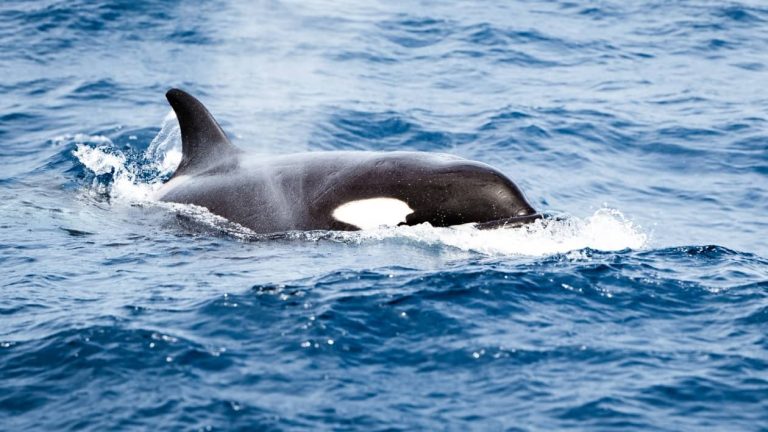
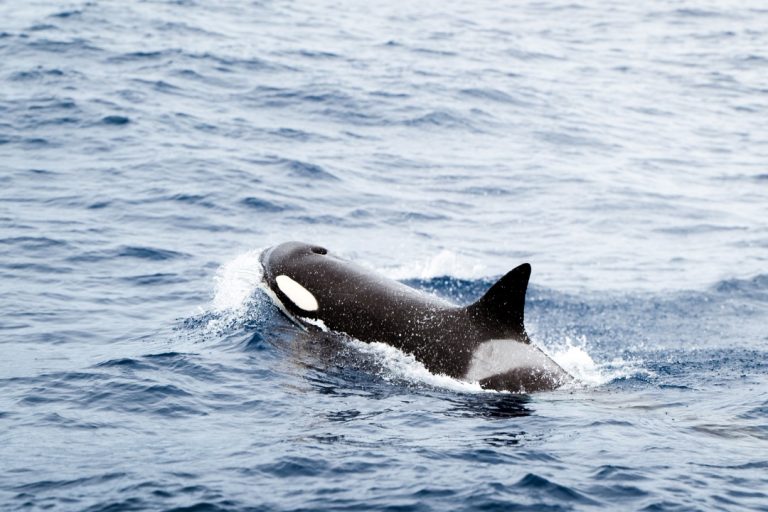
If you’re in the area between January and April, Bremer Bay is a must! It’s orca season, with the biggest gathering of orcas in the southern hemisphere.
The tours are full-day so we recommend staying 2 days in Bremer if you’re keen. They’re 100% worth it, but bring seasickness tablets (Bec was grateful she did).
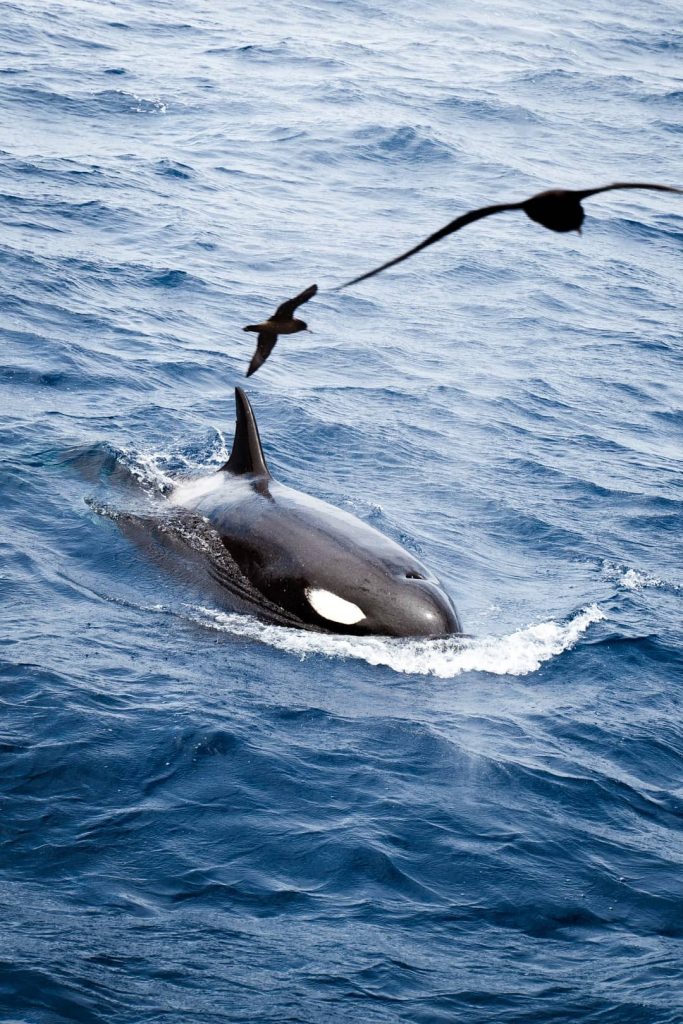
If you’re keen, here’s our experience with the orca tour and things to know before booking yours.
Bremer Bay isn’t just about orcas! There are some cool things to do there, including checking out these epic beaches:
- Blossoms Beach and Back Beach. Both are incredible for surfers.
- Bremer Beach. Best for a chill day, with calm waters.
- Fishery Beach. Easy boat access if you want to get out on the water.
Where to stay in Bremer Bay?
Bremer Bay is small but has some good options. These are the ones we recommend because the location is unbeatable, but you’ve got a couple of solid options for where to stay:
- Bremer Bay Caravan Park is just a short walk to the beach. There are powered sites, basic cabins, and a few chalets if you want a bit more space.
- Bremer Bay Resort is a no-fuss 3-star hotel in the centre of town. It’s budget-friendly, has a decent restaurant, and rooms that work for families or groups.
Day 25: Bremer Bay to Albany (2hr, 180km)
We’re obsessed with Albany! It’s one of the only places in Australia we’ve ever thought about settling down. It’s got epic beaches and incredible food, plus nice history that makes the town interesting.

You’ll want at least a full day here, trust us. Here are some things you should do while you’re there:
- The Gap and Natural Bridge. Massive cliffs, wild ocean views, and you’ll feel tiny standing out on the platform (hold onto your hat, it gets windy).
- National ANZAC Centre. Even if you’re not a museum person, this one’s worth it for the stories and the views over the harbour.
- Misery Beach. Don’t let the name fool you, it was rated as the best beach in Aus in 2022! Perfect for fishing and surfing, and usually pretty quiet.
- Emu Point Beach. Super calm water, good for a swim and relaxing.
If you want more ideas, check out our full list of things to do in Albany.

Where to stay in Albany?
Albany has plenty of places to stay, whether you want to be close to the action or tucked away by the beach. Here are a few we recommend:
- Emu Point Holiday Park is a solid pick if you’re travelling in a van or want a cabin. It’s quiet, right near the water, and has solid facilities.
- Middleton Beach Holiday Park is another good option, especially if you want to be close to the beach and walking trails. It’s a bit busier, but the location is hard to beat.
- Pelicans Albany is a comfy hotel right in town. It’s handy if you want to walk to cafes or just keep things simple.
- Hilton Garden Inn Albany is the spot if you want more luxury. We LOVED staying there, it was a nice change after all the time camping. It’s modern, has great views, and the breakfast is actually worth getting up for.
Day 26: Albany to Pemberton via Denmark (3hr, 250km)
You’ll notice the scenery shift today: bye beaches, hello forests! But first, make your first stop in Denmark, a short drive from Albany.
Go straight to Elephant Rocks and Greens Pool, they’re next to each other. Both are beautiful spots with usually calm and clear, perfect for a swim.

Elephant Rocks Greens Pool


There’s heaps to do in Denmark, here are some ideas if you want to stay there for longer.
Then keep driving west and pull in at Walpole to check out the Giant Tingle Tree. It’s a short loop walk, and standing inside the hollow trunk is pretty wild!
Finish up in Pemberton. This is proper tall-tree country, and there’s loads to do! Here’s our full list of things to do if you want to make the most of your time.
Where to stay in Pemberton?
Pemberton is small, but you’ve got a few solid options for a comfy night. Here’s where we’d stay:
- RAC Karri Valley Resort is the pick if you want to wake up right on the lake, surrounded by massive karri trees. It’s a bit pricier, but the setting’s hard to beat.
- Gloucester Motel is smack in the centre of town and usually one of the cheapest. Rooms are basic but clean, and you can walk to the pub for dinner.
- Karri Forest Motel is tucked a bit further into the forest, so it’s quieter. It’s still close enough to town, but you’ll feel like you’re miles away.
Day 27: Pemberton to Augusta (1.5hr, 130km)
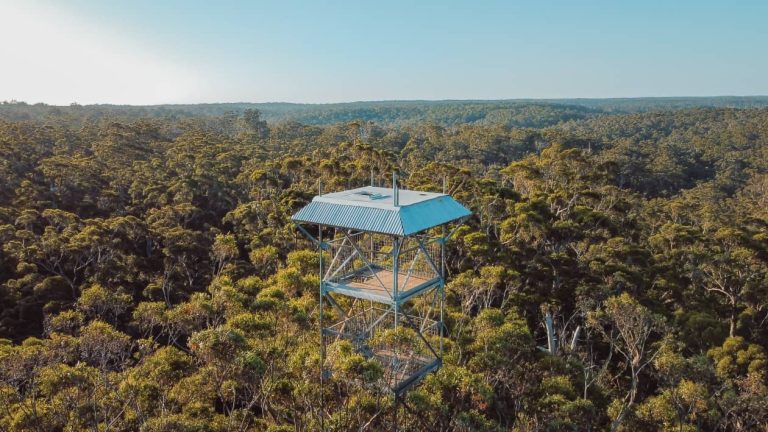
Start your morning by checking out the tallest trees in the area: the Gloucester Tree and Dave Evans Bicentennial.

Gloucester Tree
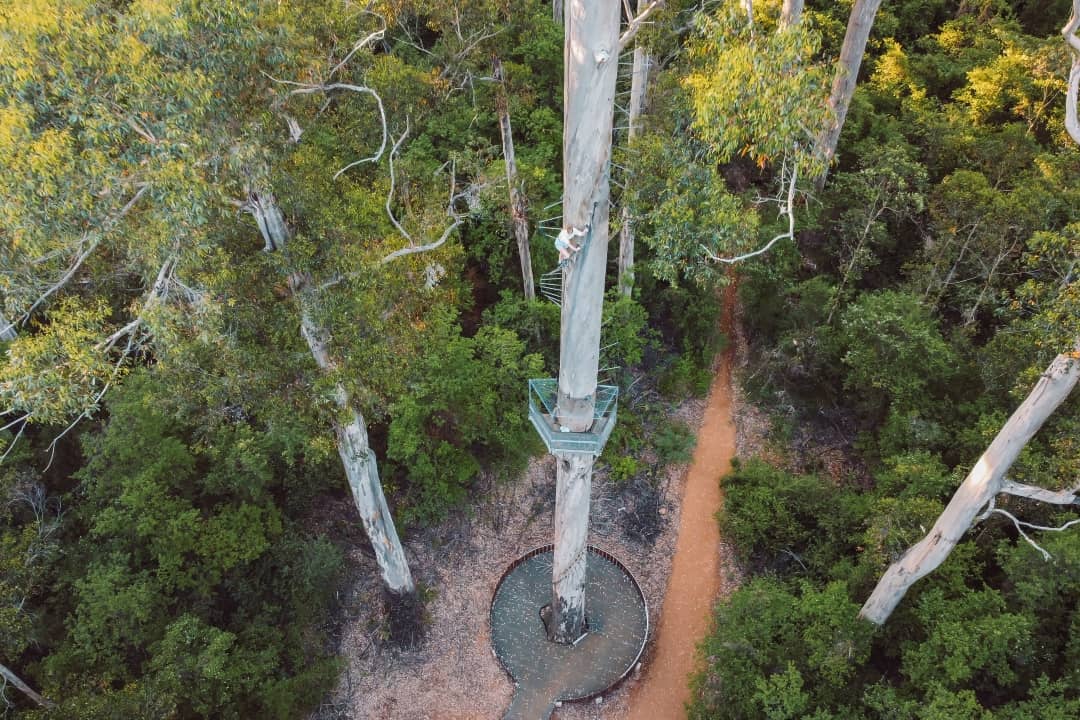
They used to be climbable but are undergoing some repairs at the moment. At the time of writing, you can only climb the first section of the Dave Evans. Give it a try if you’re not afraid of heights!
Then, hit the road towards Augusta, you’ll be there in about 90 minutes.
First stop is Granny’s Pool. It’s a sheltered spot, perfect for a swim or just chilling out. The water’s usually calm, so it’s good for kids or anyone who’s not keen on waves.
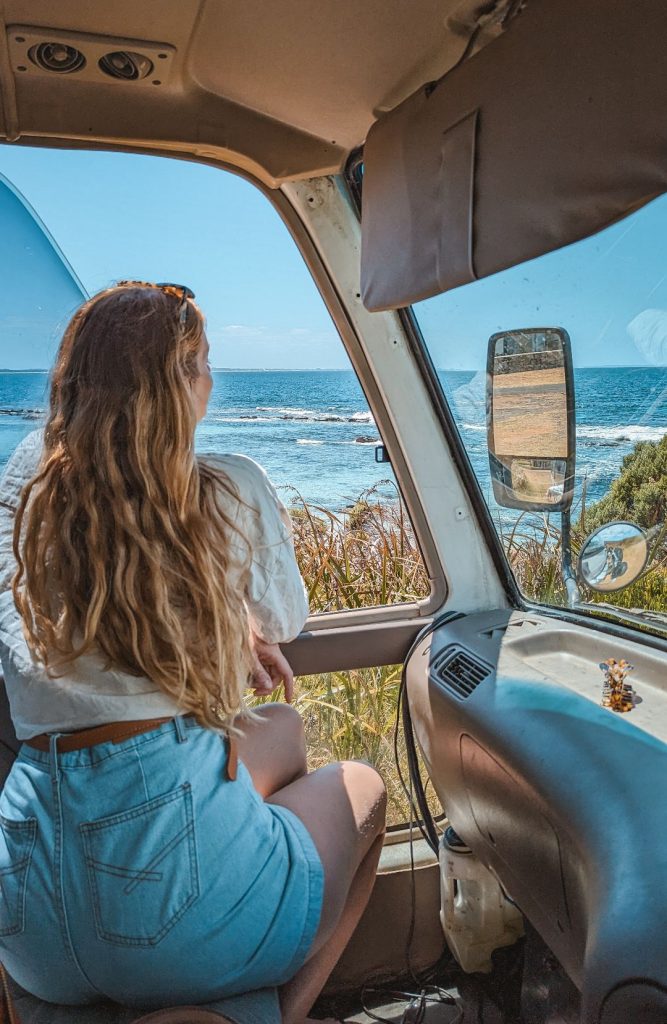
Make sure you check out the Cape Leeuwin Lighthouse too. It’s where the Indian and Southern Oceans meet, and the views are wild!
If you’ve got extra time, there’s plenty more to do in Augusta. Here’s our full list of ideas!
Where to stay in Augusta?
Augusta has a couple of solid options for a night or two. Here are some recommendations:
- Turner Holiday Park is the go-to for caravans and campers. It’s right on the river, so you can roll out of bed and straight onto the water.
- Augusta Hotel has an excellent location, right in the centre of town, so you can walk to everything. Plus it’s budget-friendly and has a classic pub vibe.
Day 28: Augusta to Margaret River via Jewel Cave and Hamelin Bay (45m, 53km)
Today you’ll make your way to the heart of the Margaret River region.
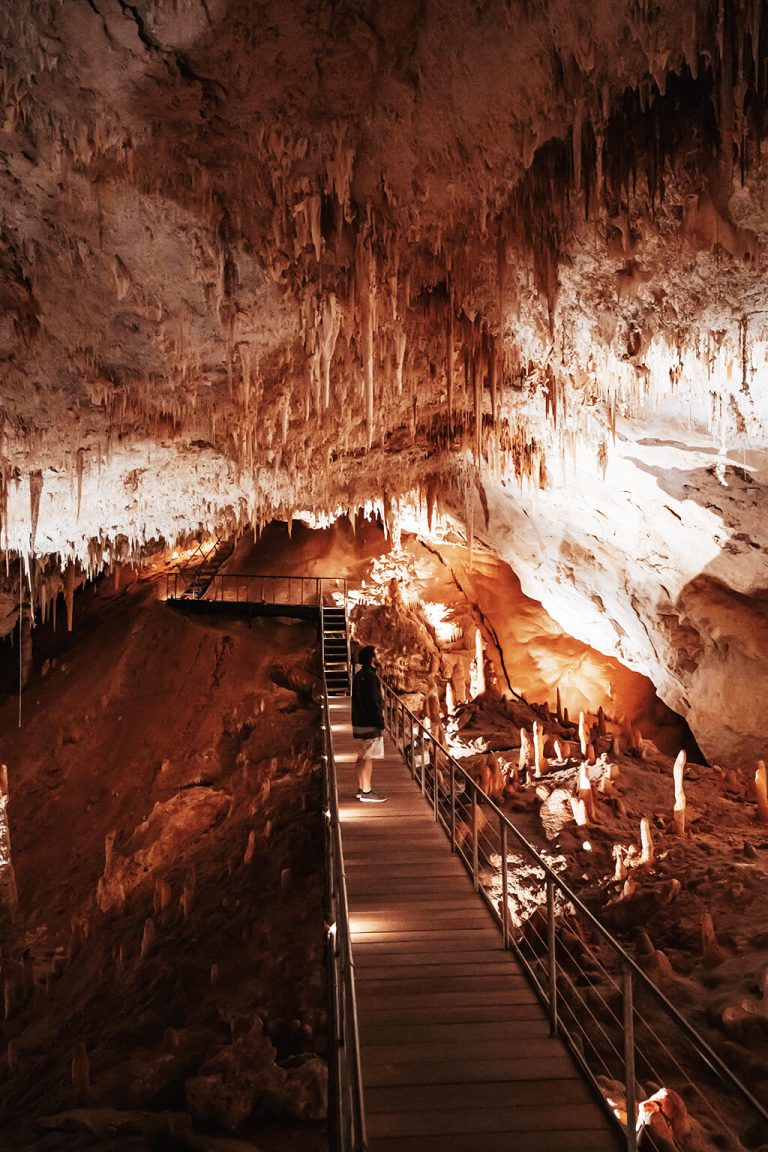
First, start with a tour of Jewel Cave, the biggest show cave in WA. The formations are jaw-dropping, you’ll want to stay a while. You have to book ahead though, you can do it here.
Next, head up to Hamelin Bay to spot the famous stingrays right at the shoreline! Don’t feed them (they’re wild), and keep your toes out of the way, they’re friendly but still wild animals.
The drive through the Boranup Forest is a highlight in itself. The karri trees are massive and the light is unreal, especially in the morning.
Hamelin Bay Boranup Forest Drive
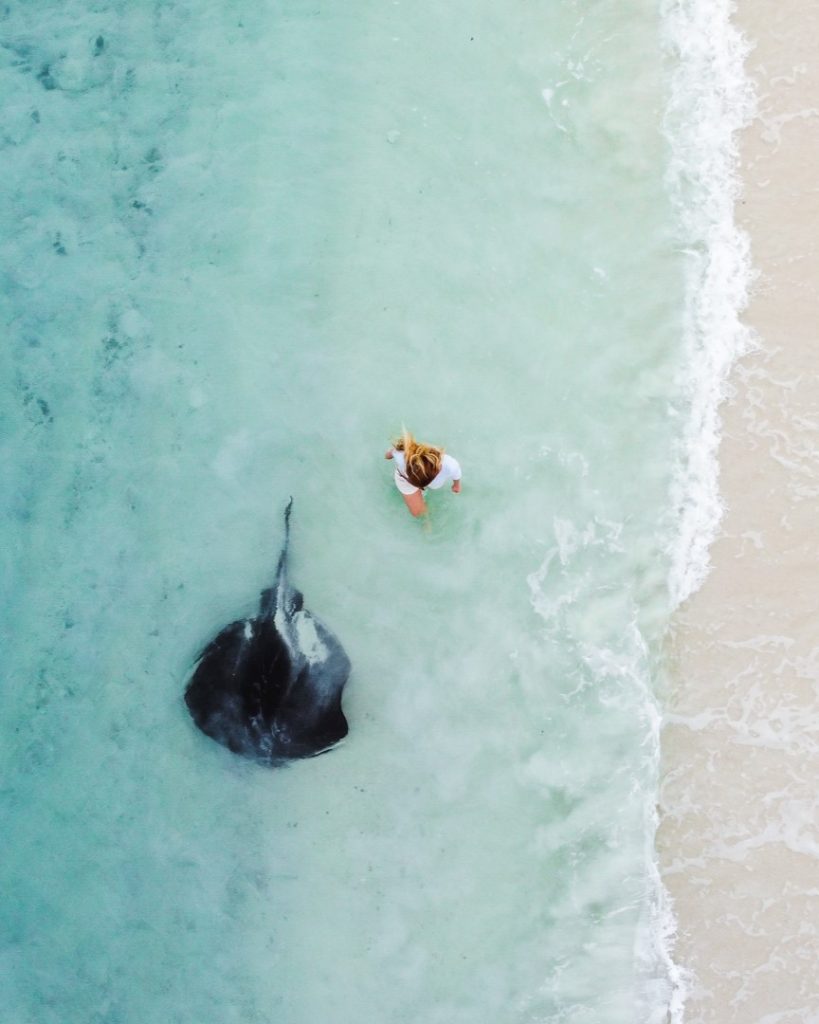

Finally roll into Margaret River in the arvo and head straight to Surfer’s Point for sunset. It’s a bit breezy, so bring a jacket, but the views are worth it!
Where to stay in Margaret River?
Margaret River Tourist Park is our go-to if you’re rolling in with a caravan or camping gear. It’s close to everything and doesn’t sting the wallet too hard.
Prideau’s of Margaret River is also a solid pick if you want a comfy hotel right in the centre of town. You can walk to the pubs, bakeries, and shops without breaking a sweat.
Day 29: Margaret River to Busselton (40min, 45km)
Spend your day exploring Margaret River! There’s honestly so much to do here, you’ll wish you had more time.
If you haven’t done a wine tour yet, today’s the day. There are heaps of options, from fancy to super relaxed. Here’s our guide to the best Margaret River wine tours!

Not into wine? The beaches around here are unreal. Whether you want to surf, swim, or just laze about, we’ve rounded up the best beaches in the Margaret River region.
And if you want more ideas, check out our full list of things to do in Margaret River.
Then when you’re ready, it’s a quick 40-minute drive to Busselton for your last night on the road. If you’re feeling organised, grab some takeaway from one of the local spots and watch the sunset on the foreshore.
Where to stay in Busselton?
Busselton has loads of places to stay, whether you want to be right in town or tucked away somewhere quieter. Here are a few we recommend:
- RAC Busselton Holiday Park is a solid pick if you’re travelling with a van or want a cabin. It’s got heaps of space, good facilities, and is a bit out of the main drag, so it’s quieter at night.
- Restawile Motel is a classic budget option. It’s basic but clean, and you can usually nab a room for a decent price.
- Nightcap at the Ship Inn is a good spot if you want to be in the heart of town. The pub downstairs can get lively, so maybe not the best if you’re after an early night.
- Hilton Garden Inn Busselton is the pick if you want something a bit fancy! It’s right on the foreshore and the rooms are super comfy. We had a great time during our stay there.
Day 30: Busselton to Perth (2h20m, 223km)
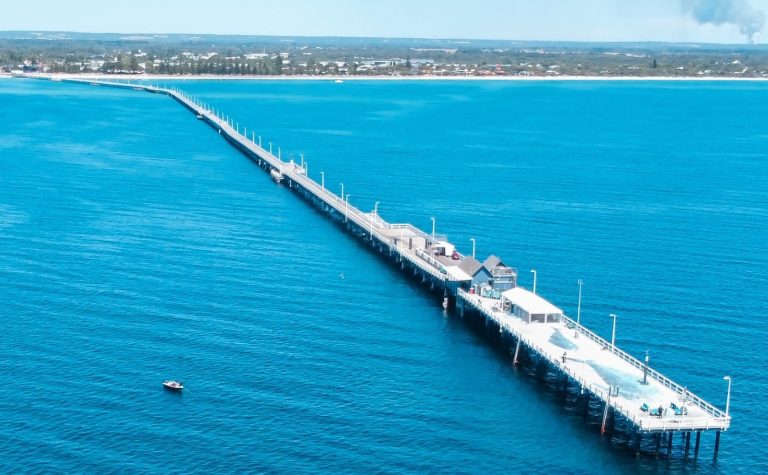
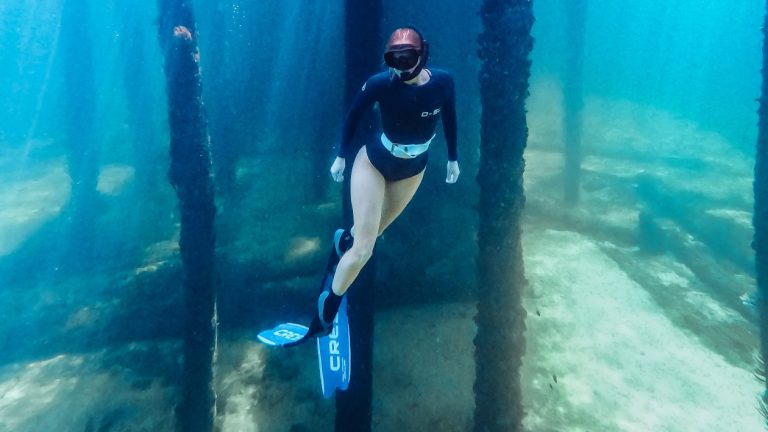
For your last day, we recommend starting your morning snorkelling at the Busselton Jetty. It’s one of our favourite places in the area! Or just have a swim at the foreshore if you’d rather keep it chill.
There’s also an underwater observatory at the end of the jetty, so you can still see marine life under the pylons. Tickets to the observatory here!

You can also take the 20-minute drive west to Dunsborough and Cape Naturaliste. The beaches around here are next level, and the Cape Naturaliste Lighthouse is worth a look if you want some views, especially during whale migration.
There’s a stack of things to do in Busselton, here’s our full list if you want more inspo!
When you’re ready, hit the road back to Perth. It’s a pretty easy drive, you can stop at Bunbury and Mandurah on your way.
Once in Perth, there’s honestly so much to do: beaches, parks, cafés, you name it. We grew up here and put together this massive guide to Perth if you want to keep exploring.
Planning your road trip from Melbourne to Perth
Renting a car or a caravan
You can easily rent a car in Melbourne and drop it off in Perth. And for a road trip this long, companies usually offer unlimited mileage.
We recommend checking both Booking’s car rental and Discover Cars, then book the one that offers the best prices for your dates.

If you’re keen on a caravan, there are a few solid options with pick up in Melbourne and drop off in Perth;
- Travellers Autobarn: Budget-friendly, good quality, but no bathrooms so you’ll need to plan your stops.
- JUCY campervans: Mid-range, great prices, and if you can snag one with a bathroom, your trip will be way easier.
- Star RV: Top-end, basically a house on wheels! These have everything you could want for a long road trip like this one.
Just double-check the drop-off fees and make sure your rental agreement covers the full route. Some companies get picky about where you take their vans (e.g. no unsealed roads), so read the fine print before you book.
Best time to drive from Melbourne to Perth
If you want the best shot at good weather, aim for spring (September to November) or autumn (March to May)! Days are mild, nights aren’t freezing, and you won’t be sweating buckets in the car.
Winter (June to August) brings strong winds and chilly temps, especially along the coast. There might be rain but also some really beautiful days, it’s a bit of a gamble but doable.
Summer (December to February) is the worst time in our opinion, though. The bushfire risk can force national parks to close with zero notice, and it’s peak season for spots like the Great Ocean Road, Kangaroo Island, or the southwest.
If you can swing it, stick to the shoulder seasons. You’ll enjoy the drive a whole lot more and avoid the worst of the crowds and weather dramas.
What to bring
Download everything you’ll need before you go – Spotify, Google Maps, and any guides, because you can’t count on reception.
If you’ve got any of our paid guides, remember that you can download them for offline use.
Other must-haves include:
- Tyre pressure gauge and a decent spare
- Jumper leads plus and a basic tool kit
- Reflective windscreen shade to save you from the heat while driving
- Fly nets in summer are a lifesaver
- Small first-aid kit
Access to National Parks
Most national parks on the Great Ocean Road and on the SA side are free to enter, but once you cross into WA, some parks charge an entry fee per vehicle, per day.
If you leave and come back the next day, you’ll need to pay again, which can add up quickly if you’re hopping between parks.
If you’re planning to visit a few parks or want to come and go, a holiday or multi-day pass usually works out cheaper.
You can grab a pass online or at a visitor centre before you head in.
Check the WA Parks and Wildlife Service website for the latest on fees and to buy your pass if you need one.
FREE Melbourne to Perth road trip map
Top Tips
Fuel is priciest on the Nullarbor, think 30–60% more than usual. Always fill up if you’re under half a tank, because the next servo could be 65 to 180 km away.
Also book your campsites ahead of time and screenshot your confirmations just in case you don’t have a signal.
Did you know?
Driving from Melbourne to Perth, you’re crossing the traditional lands of more than 20 Aboriginal nations!
You’ll also cross four time zones on this trip. There’s Victoria’s, South Australia’s, and Western Australia’s time, and a weird unofficial one in between called Central Western Time near Eucla.
FAQs
Do you need a 4WD for a road trip from Melbourne to Perth?
No, you don’t need a 4WD if you’re sticking to the main highways between Melbourne and Perth. The roads are sealed the whole way,
How many days do you need to drive from Melbourne to Perth?
12 days is the minimum we recommend for most people to drive from Melbourne to Perth. That’s an average of 3 hours of driving each day, which is pretty manageable and prevents driving fatigue.
Arrived in Perth, now what?
We grew up in Perth and have spent +5 years exploring every corner of WA, so we created a guide with EVERYTHING we know from our travels if you want to keep the adventure rolling!
Our full Western Australia travel guide is packed with everything you need for a smooth trip, no stress, no guesswork, just focus on having fun.
You’ll get over 15 detailed itineraries (including the southwest, Esperance, Bremer Bay, and more), plus hidden gems and personal recommendations!
There are interactive maps, planning tools, and step-by-step advice from people who’ve actually done the drives and slept in the dodgy campsites (us lol).
More than 500 travellers have already used our guide to plan their WA trips, ready to plan yours?
Our Essential Travel Toolkit
🤩 Wise Card – Online bank to hold money in different currencies worldwide and lowest fees in the market! (FREE debit card here)
🤩 Trip.com – Consistently great accommodation and hotel deals.
🤩 Hostelworld – Looking for the cheapest accommodation? We especially love the “book now, pay later” feature.
🤩 Discovercars.com – Best range, super easy to compare prices rental car and motorhome prices.
🤩 Viator.com – Easily book tours and experiences at the lowest rate. Great selection all over Australia.
🤩 Tripadvisor.com – Other than our website…😉 the best place to find things to do
🤩 Airalo – eSIM store that solves the pain of high roaming bills by giving travelers access to eSIMs (digital SIM cards).
🤩 Caravan RV Camping – Traveling Australia in a van, caravan or bus? This is the best place to get all your gear.