Western Australia road trips
Where to in WA?
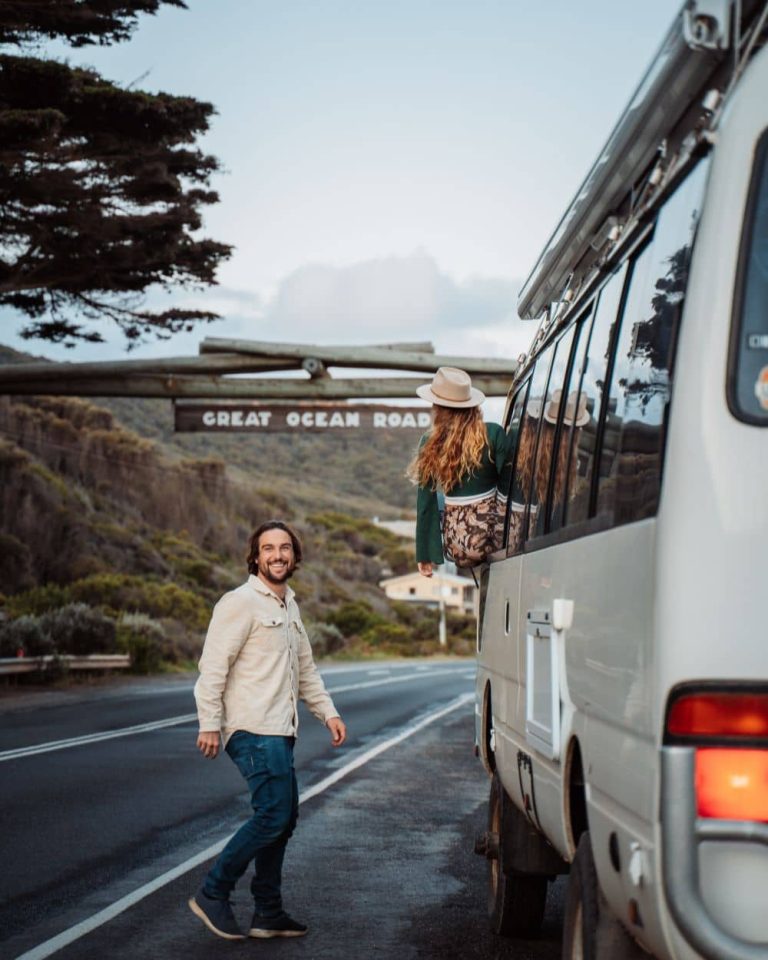
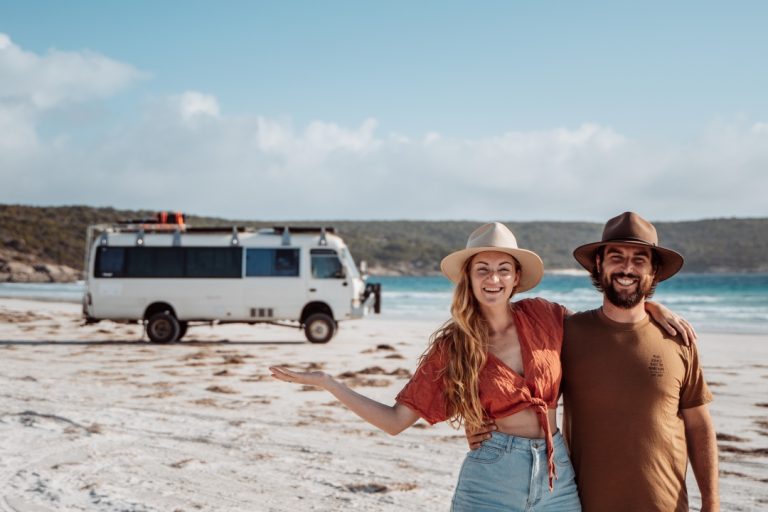
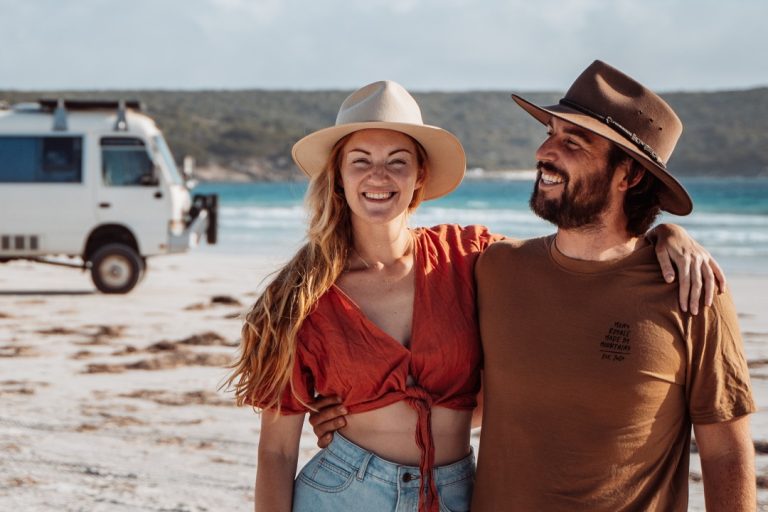
G’day, we’re Chris and Bec. Every drive on here is one we’ve actually done in Bunji, our 1993 Coaster. Tell us how long you’ve got and roughly where you fancy, we’ll sort the rest.
Unforgettable WA road trips

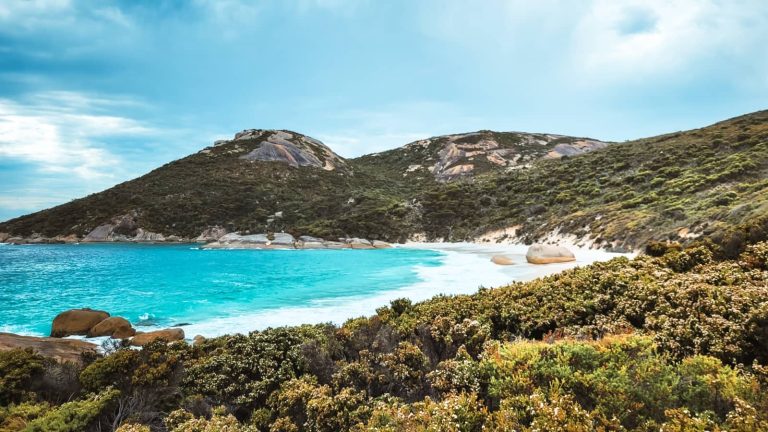
Where in WA are you headed?
Hover the map to see where each region sits, then click it for every trip we’ve done there.
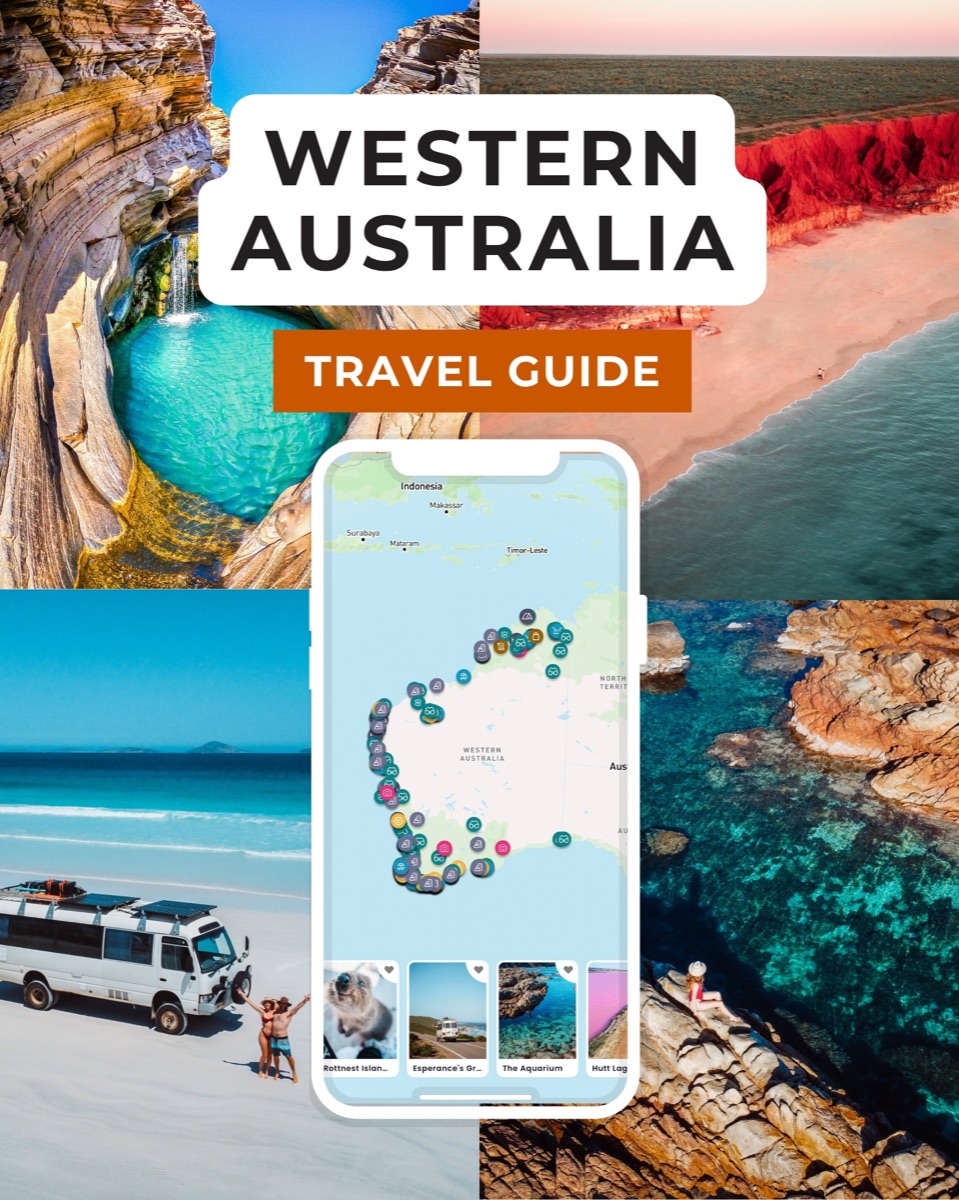
The Western Australia guide
The whole west coast, sorted.
Cape Range to the Kimberley. We’ve pinned every gorge, free camp and turquoise bay, so you’re never guessing where the next stop or fuel gap is.
- Every stop pinned and mapped in the app
- Free camps, fuel gaps and 2WD tracks flagged
- Opens straight in the Rexby app
Tours & day trips in WA
Weather in WA
WA is huge — Broome and Margaret River are 2,400km apart, and their seasons are basically opposites. Pick a region (or tap the map) to see when it shines: chase the sun north in winter, south in summer.
Featured itineraries
Epic WA road trip itineraries
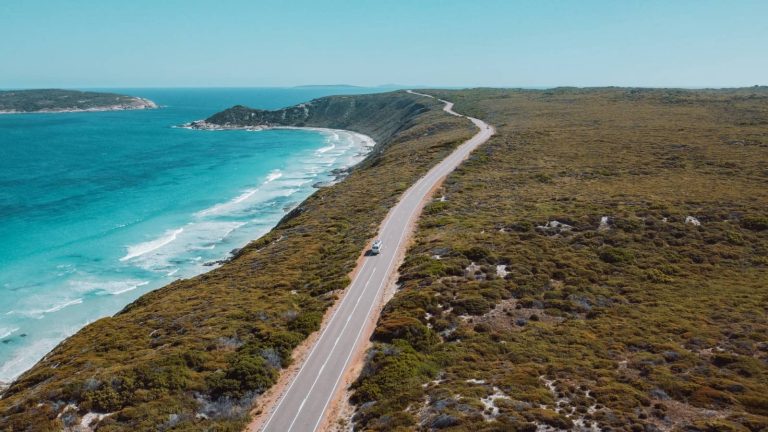

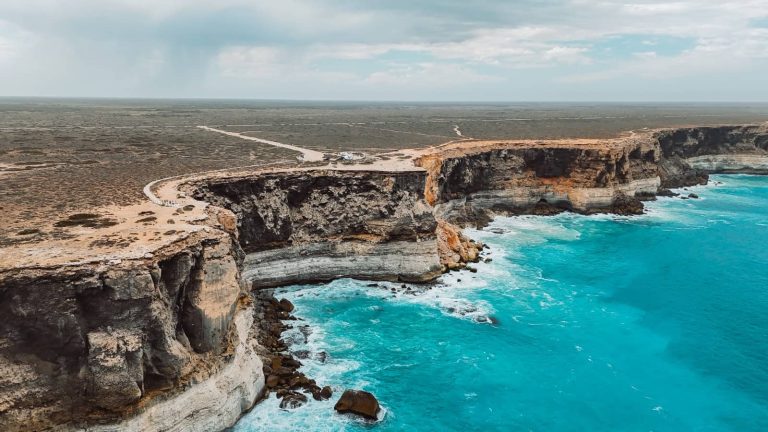


All WA articles

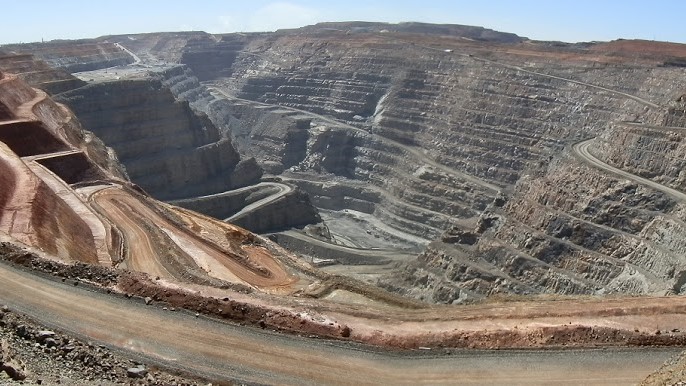
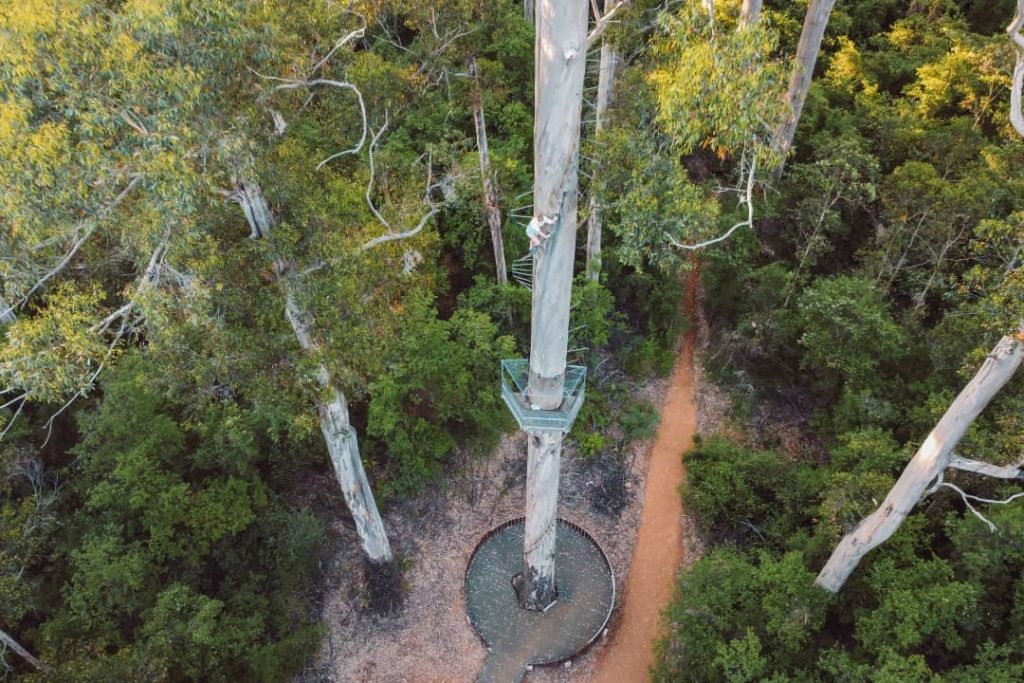
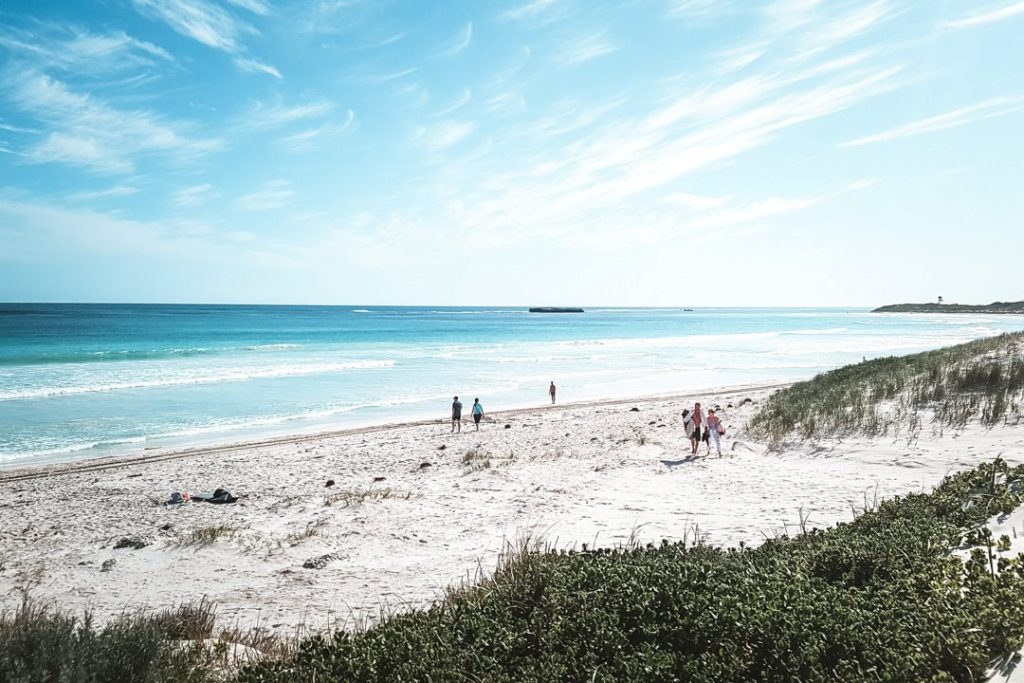
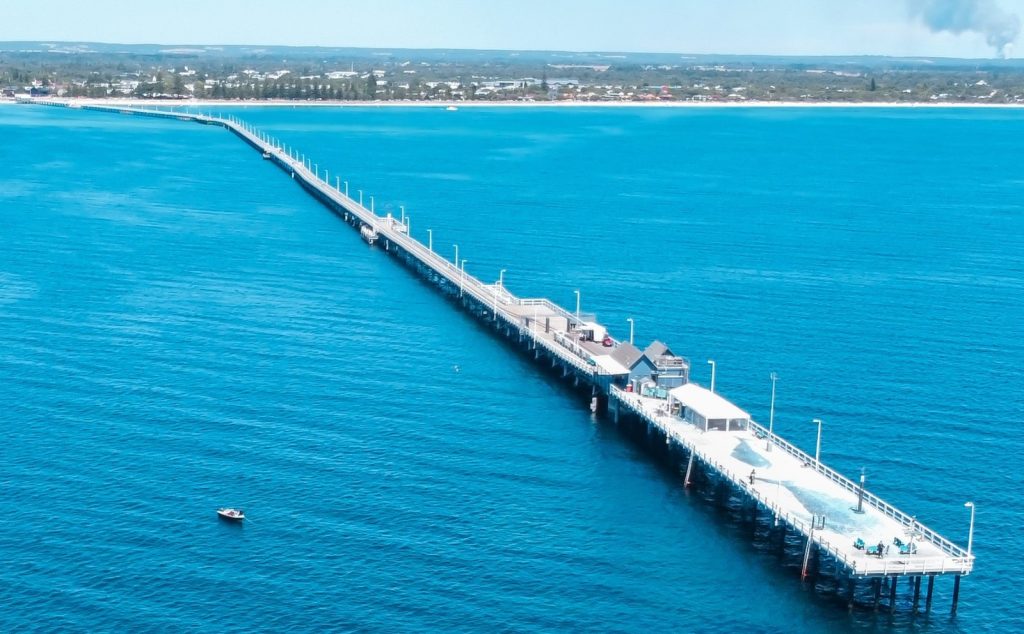
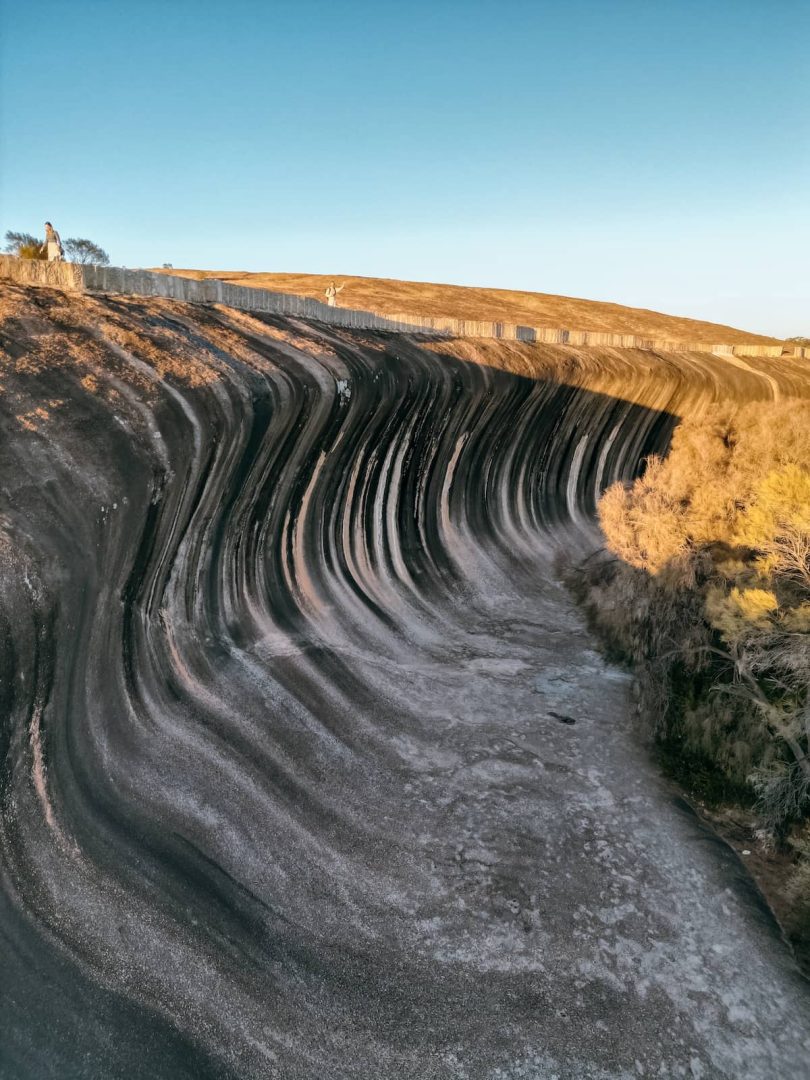
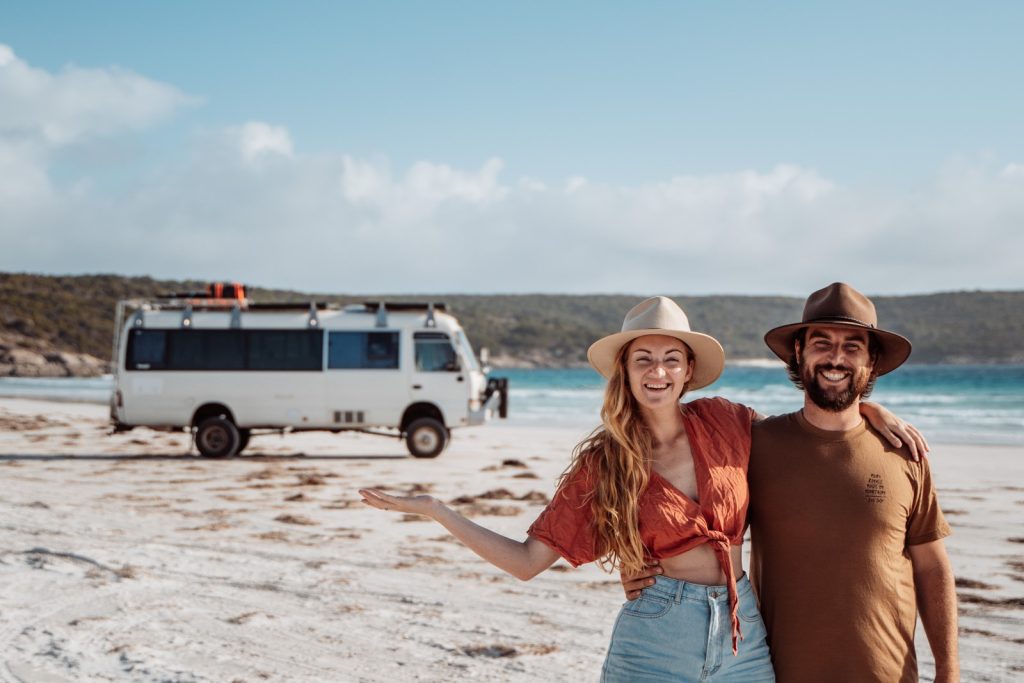
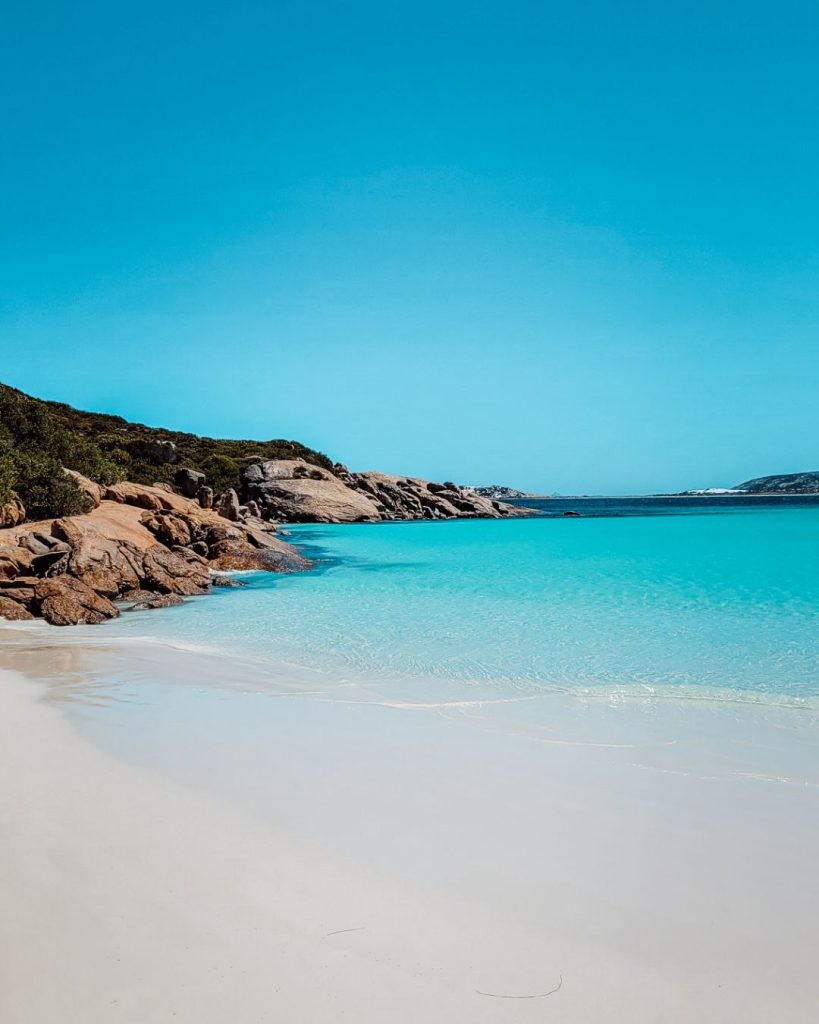
Travelling Western Australia
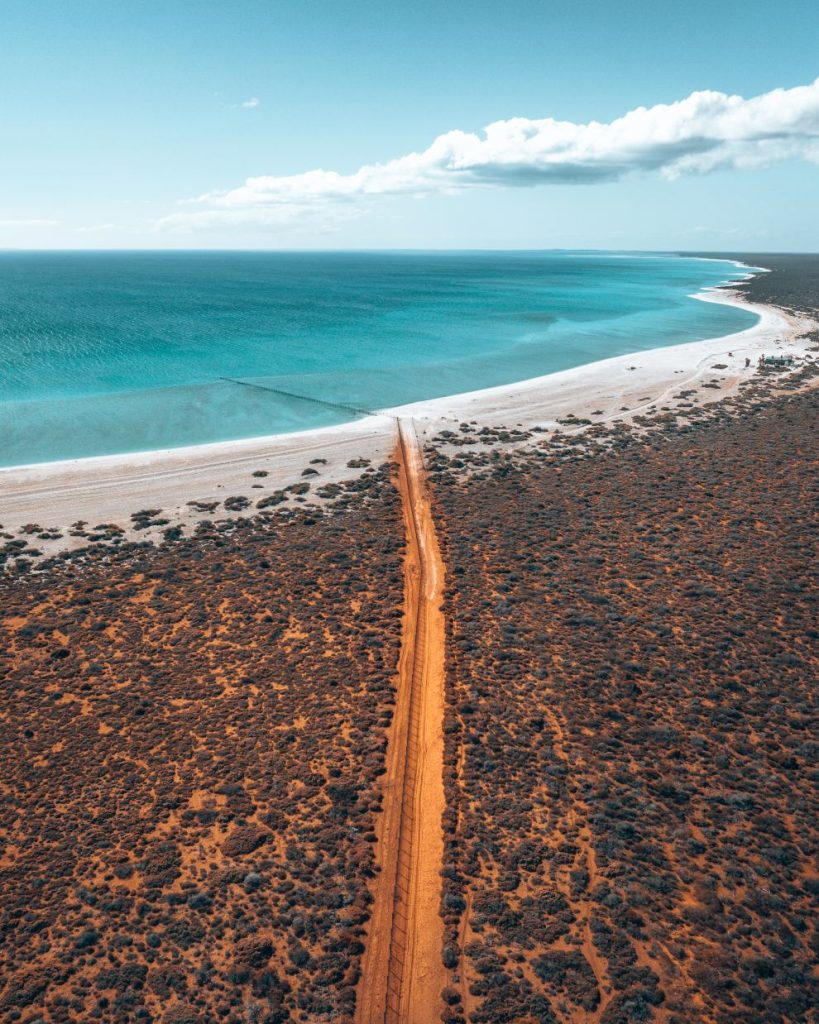
When we first hit the red dirt roads of Western Australia, we didn’t fully grasp just how big, how wild, and how unreal this part of the country really is.
You think you’re just heading west. But WA doesn’t just feel like another state it’s a world of its own.
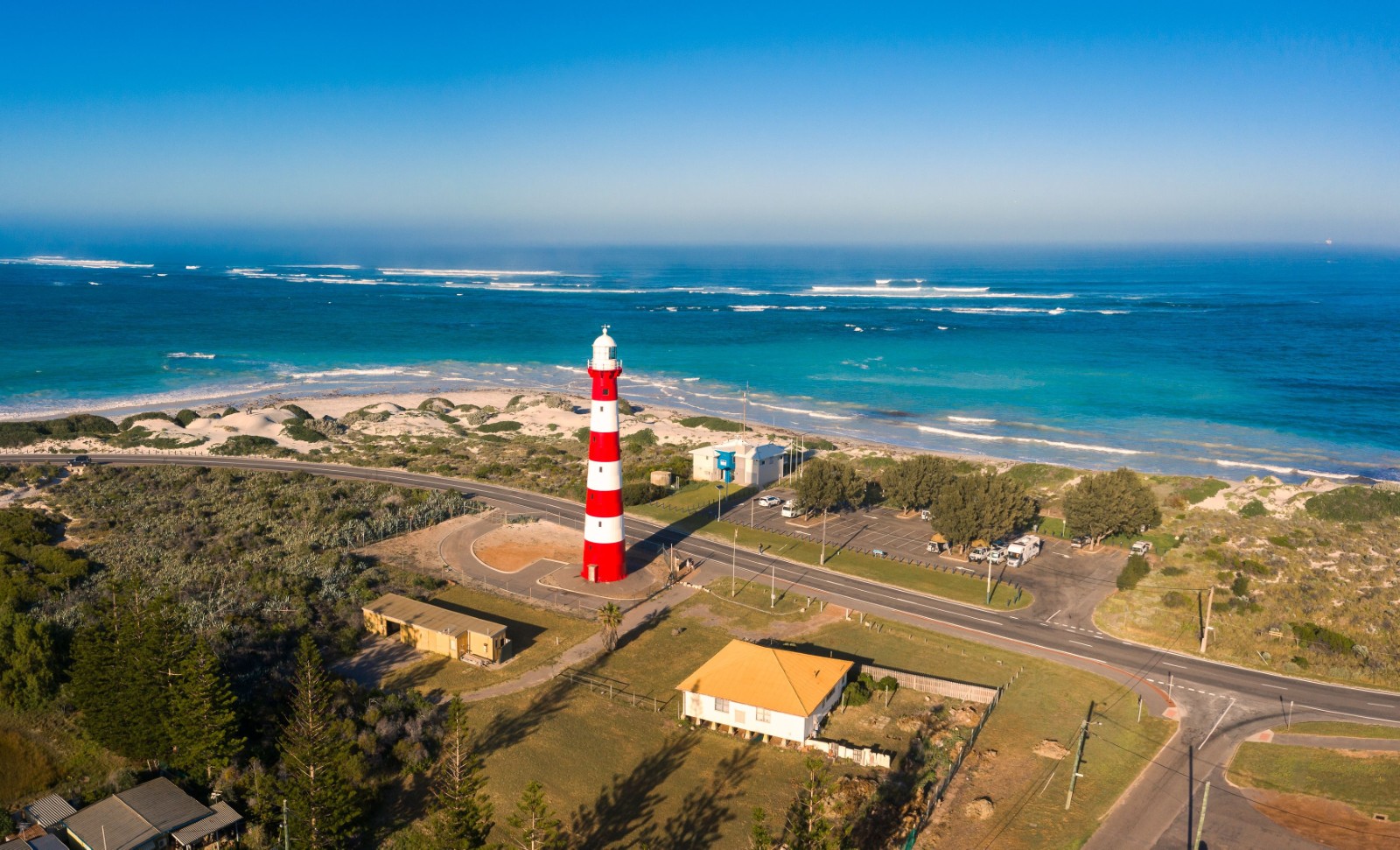
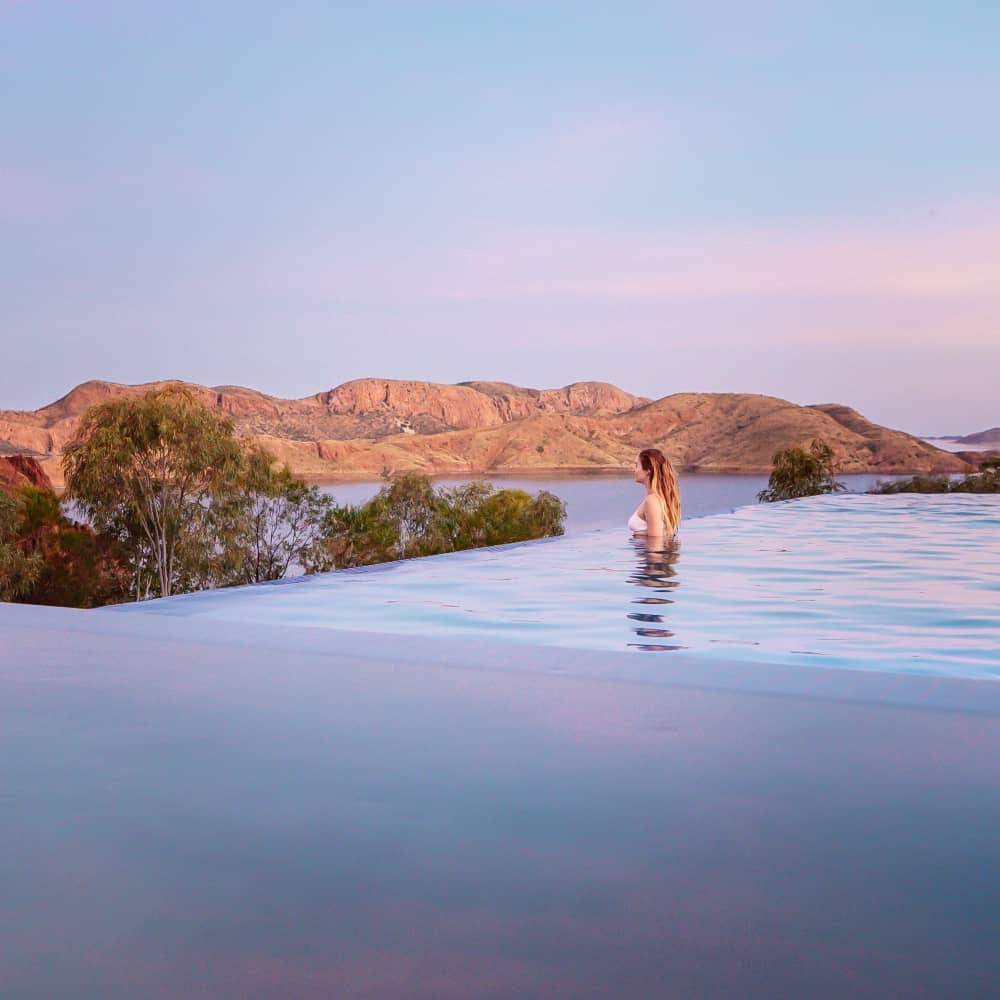
This isn’t a place you stumble into without a plan. With 2.5 million square kilometres of sunburnt coastline, sleepy roadhouses, and ancient gorges that make you feel like a speck in the universe… Western Australia demands respect.
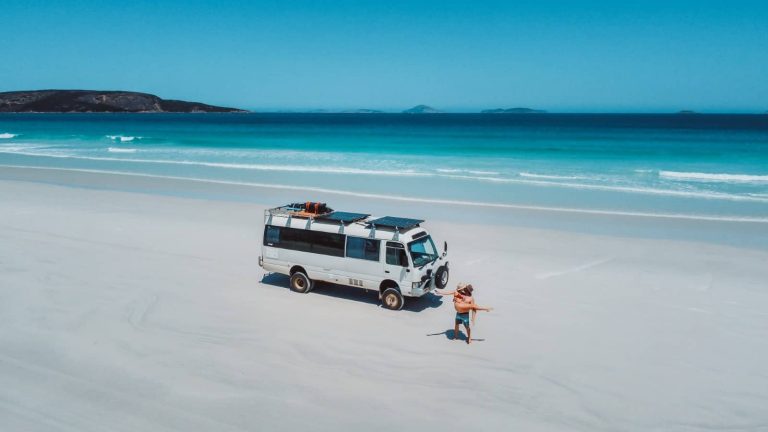
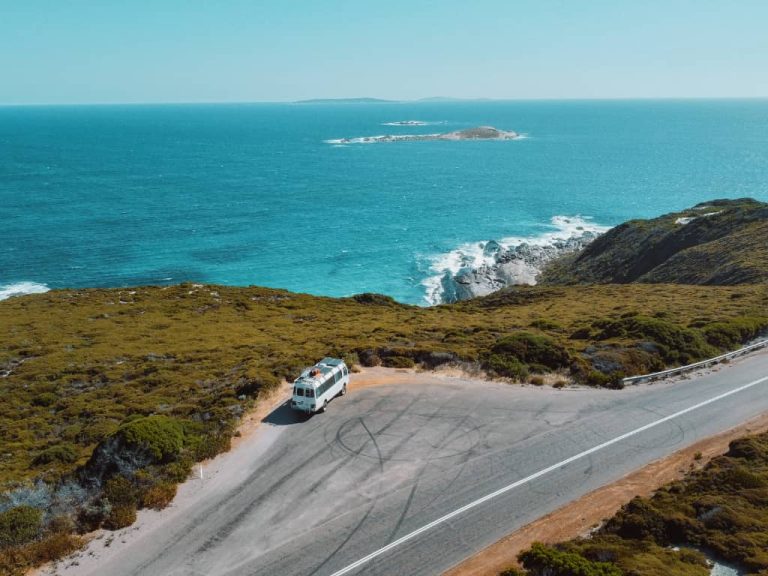
Here’s everything we’ve learned from months on the road in our 4wd bus Bunji, all the stuff we wish someone had told us before the tyres hit the tarmac.
How Big Is Western Australia, Really?
Let’s kick off with a reality check.
- Perth to Broome = 2,000 km
- Esperance to Exmouth = 2,300 km
- Driving across WA = about a week, if you don’t stop. (Which is impossible)
WA is the largest state in Australia, and most of it is rugged, remote, and incredibly underpopulated. You won’t be “popping into” places. Distances are serious. Fuel stops can be hundreds of kms apart.
But that’s part of the magic. You’re not just going on a road trip you’re chasing something rare and raw.
Best Time to Travel Western Australia
WA spans tropics to temperate, so the seasons are different depending on your route.
For the north (Broome, Kimberley, Exmouth, Karijini):
- Best time: May to September (Dry season)
- Why: Cooler temps, no cyclones, 4WD tracks are open
- Avoid: Dec to March (wet season — hot, humid, flash floods)
For the south (Esperance, Margaret River, Albany, Denmark):
- Best time: October to April (opposite north)
- Why: Warmer beach weather, wildflowers, whale watching
- Avoid: Peak winter (June to August) if you hate rain and cold
🗺️ Tip: If you’re doing the whole state, start in the south in summer and follow the sun north as it cools down.
How Long Do You Need for a WA Road Trip?
Honestly? As long as you can give it.
- 2–3 weeks: Pick a region (e.g. Perth to Exmouth or the South West Loop)
- 6–8 weeks: Great for a full coastal lap
- 3+ months: Full WA immersion (including inland and the Kimberley)
Time slows down out here. The sunsets linger. The roads go forever. Don’t rush it — WA rewards the ones who take it slow.
Must-See Places in Western Australia
You could write a whole book on this (and maybe we will 😅), but here are the places we keep dreaming about:
Esperance & Cape Le Grand
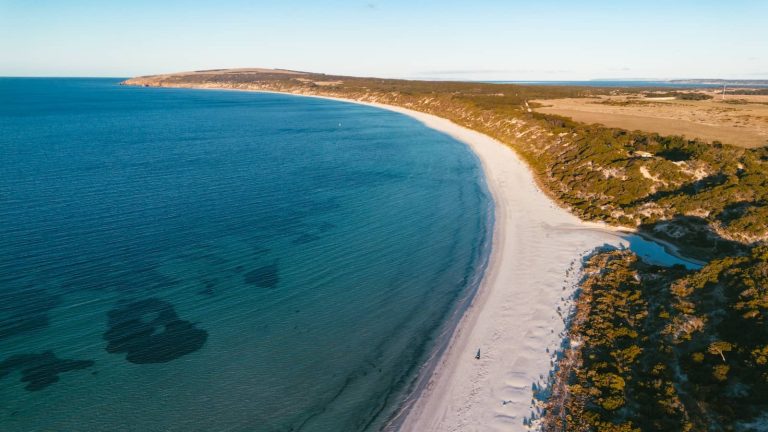
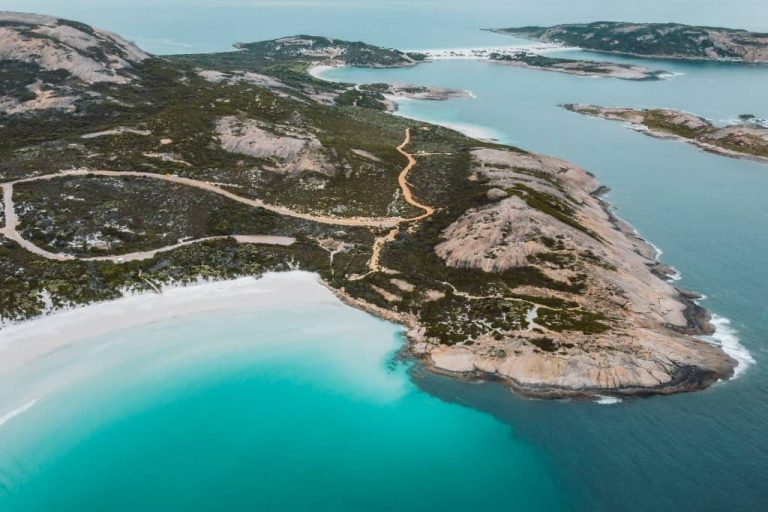
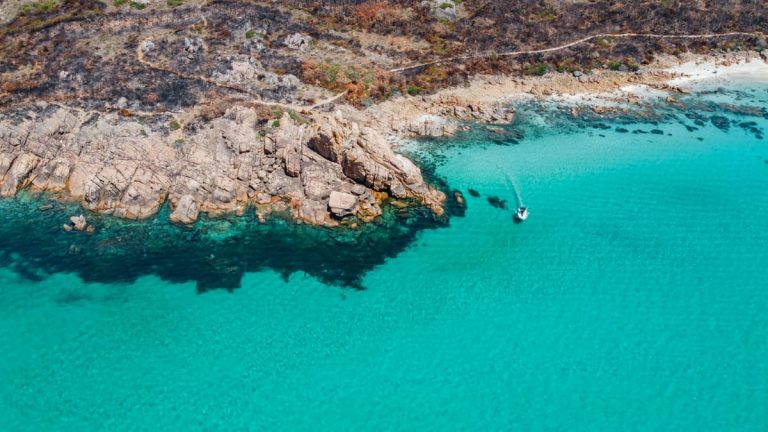
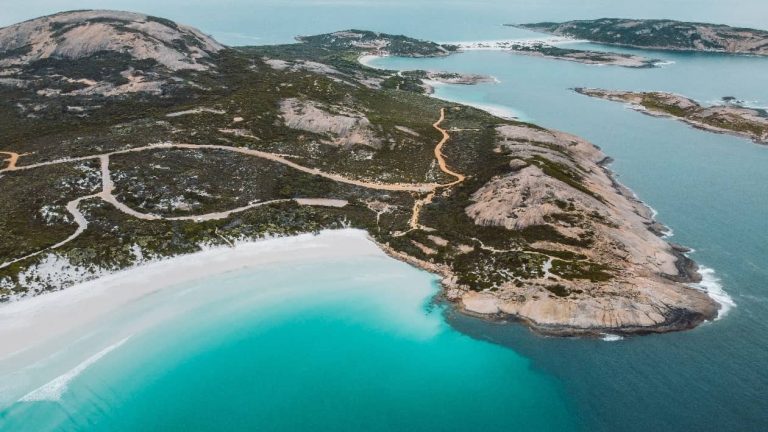
Kangaroos on the beach, blinding white sand, turquoise water — Cape Le Grand is what postcards dream of. Don’t miss Lucky Bay and Hellfire Bay.
Margaret River Region
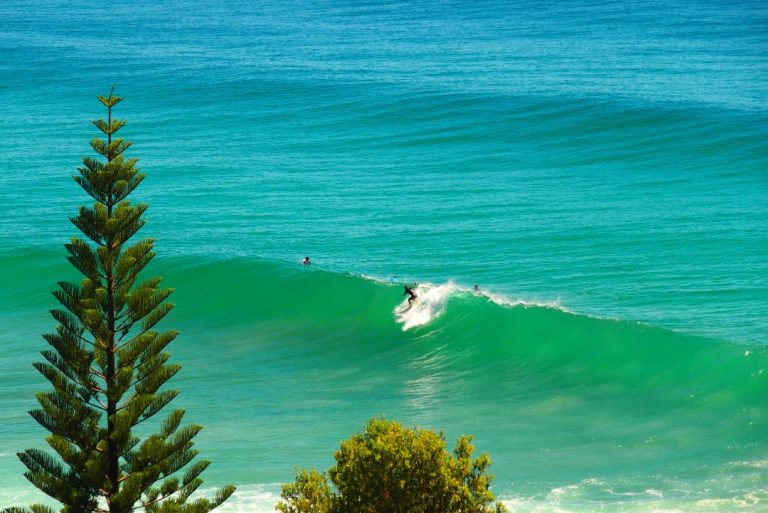
Surf meets cellar doors. Spend your days winery hopping, eating fresh local produce, then catching sunset at Surfer’s Point.
Ningaloo Reef (Exmouth & Coral Bay)
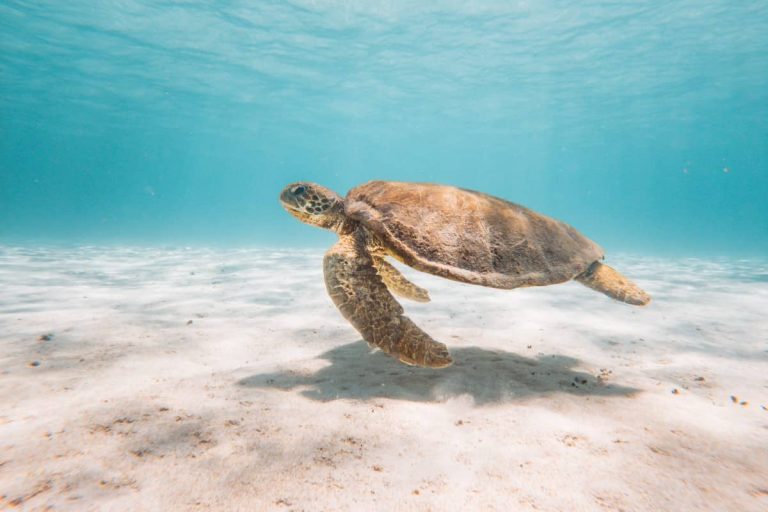
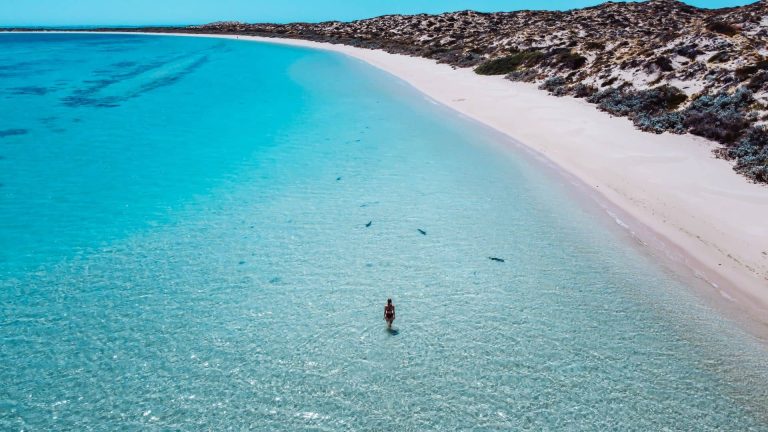
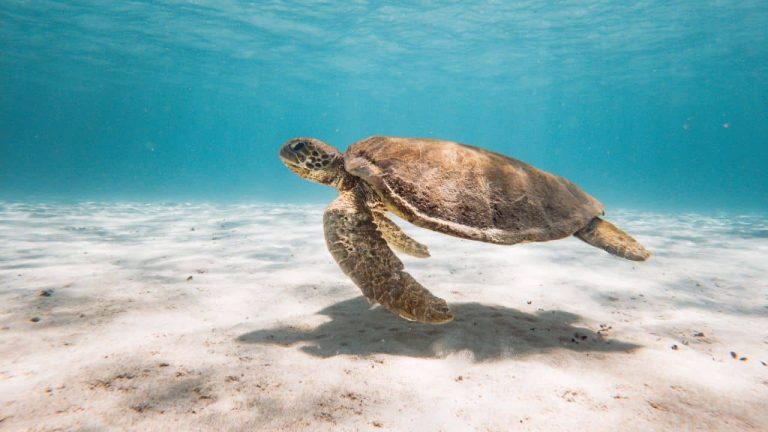
Snorkel straight off the beach into a living reef. Whale sharks, turtles, manta rays — all within reach of the shore.
Karijini National Park
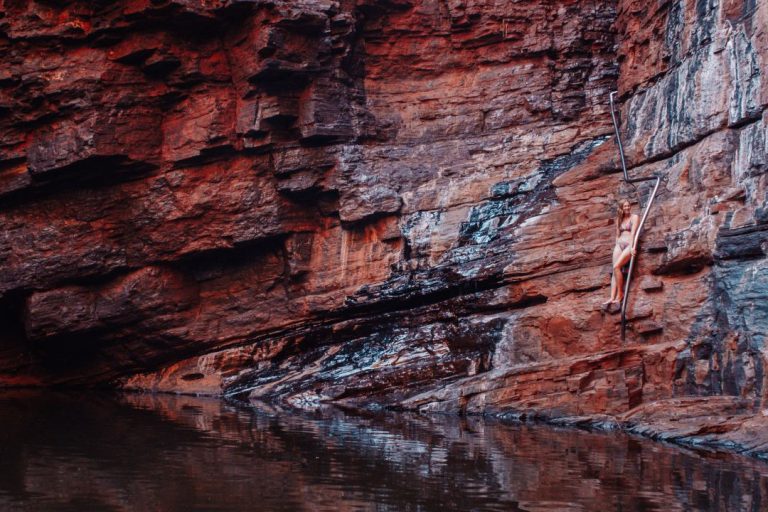
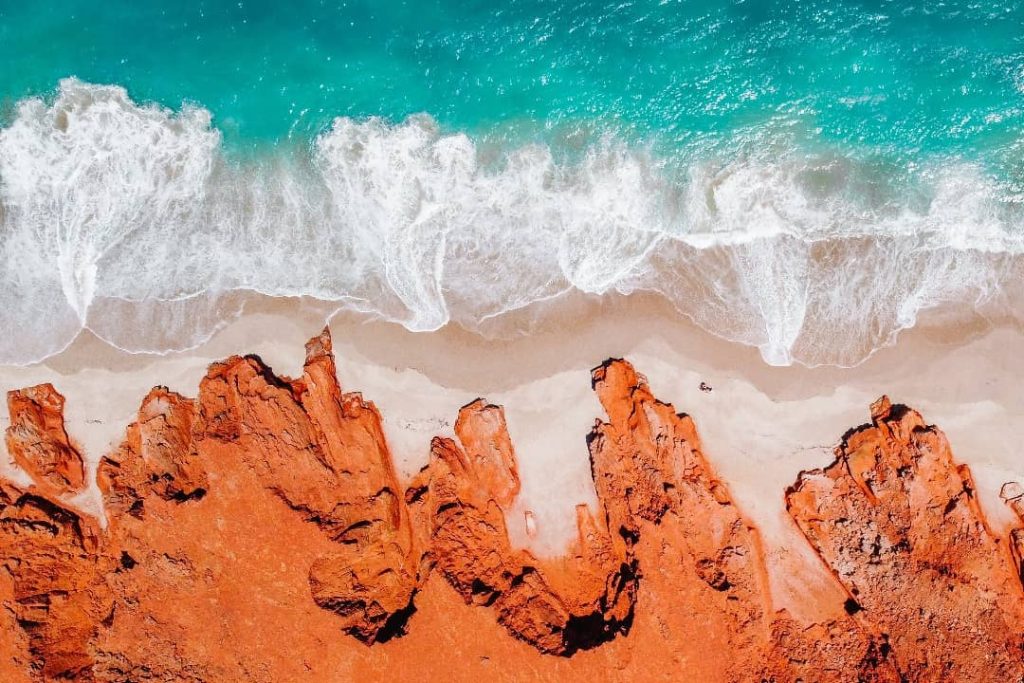
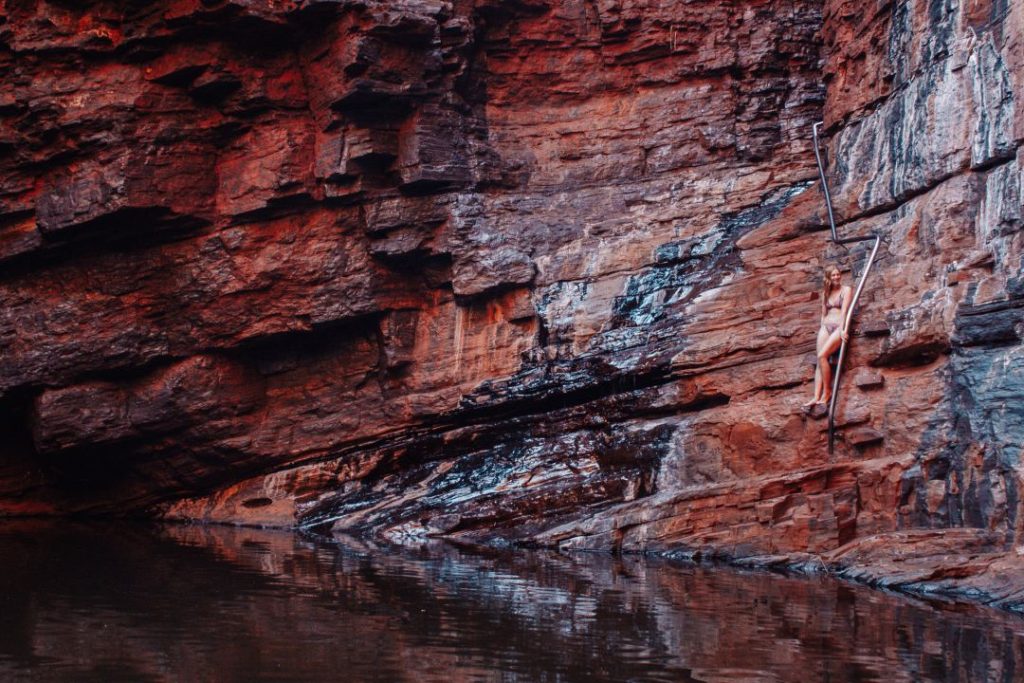
Red rock gorges, hidden waterholes, and hikes that make your legs and your soul feel something. Easily our favourite outback adventure.
The Kimberley & Gibb River Road
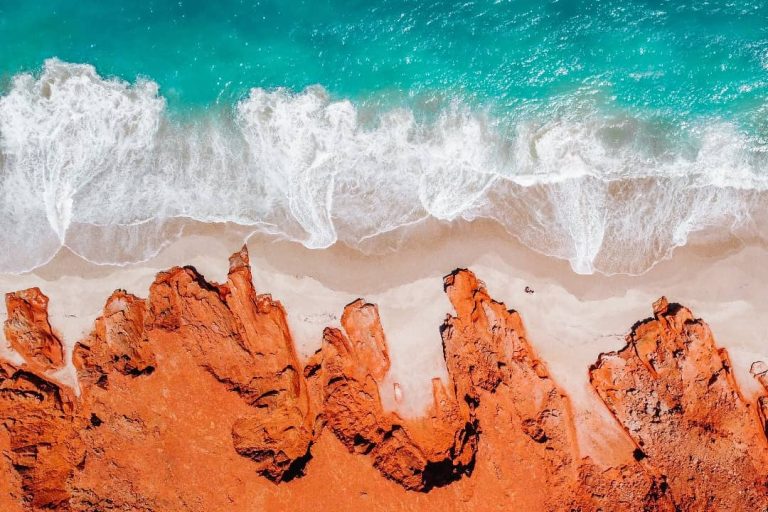
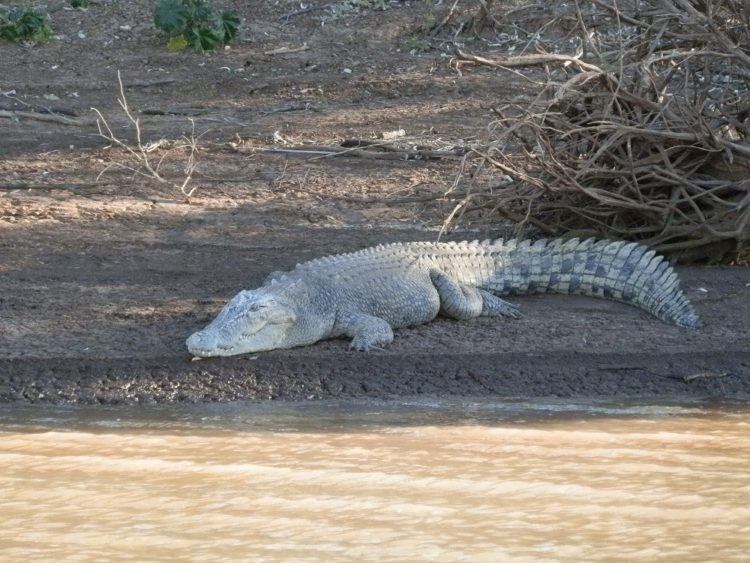
Iconic 4WD territory. Remote, rough, and absolutely worth the effort — waterfalls, croc-infested rivers, and Indigenous rock art thousands of years old.
WA Travel Tips You’ll Actually Use
- Fuel up often. Even if you’re half-full — top up.
- Download offline maps. Wikicamps, Fuel Map Australia, and Hema Maps are your best mates.
- Bring extra water. Especially in the north where it’s hot and dry AF.
- Avoid driving at dusk or dawn. Too many roos, too much heartbreak.
- Respect country. WA has a rich Indigenous history, take time to learn about it and follow cultural signs.
💡 Planning to camp? Check out our full post on free camping in WA.
Can You Wild Camp in Western Australia?
Short answer: yes — but don’t be disrespectful.
- Some areas allow it (especially remote stretches and national parks)
- Others are not so friendly — up to $1,000 in some shires. This is mostly popular tourists desinations.
- Use apps like Wikicamps or CamperMate to find legal free camps
- Leave no trace — that includes your toilet paper 🧻
We’ve stayed in some amazing spots under the stars for free but we’ve also happily paid for $15 national park campgrounds with clean loos and ocean views.
Is It Safe to Travel Western Australia?
Absolutely. But the danger isn’t people, it’s underestimating the terrain.
- Don’t drive tired or push through long stints without rest
- Check road conditions before heading into national parks or unsealed roads
- Tell someone your route if you’re going remote
- Keep your fuel and water topped up ALWAYS.
- Limit driving at dawn, dusk and night. Kangaroos can be a serious road hazard.
You’re more likely to run into a flat tyre or a kangaroo than a dodgy situation. Stay prepped and WA will treat you well.
WA Is the Real Australia
This isn’t the Australia of flashy theme parks or bustling cities.
WA is red dust in your shoes, sunburnt necks, crystal clear bays, and the kind of silence that makes you feel alive.
It’s campfires under the stars, roadhouses with the best chips of your life, and locals who still wave as they pass you on the highway.
If you’re looking for a trip that grounds you, humbles you, and absolutely blows your mind Western Australia is it.
Follow us on Instagram @saltandcharcoal for more WA travel inspo, off-grid tips, and raw stories from the road 🚐💨