EPIC Tasmania Road Trip (10 Days) + FREE Map

24 min read Jump to section
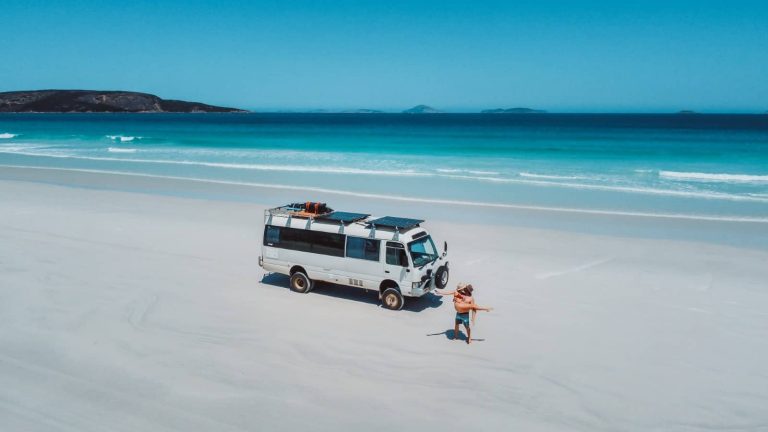
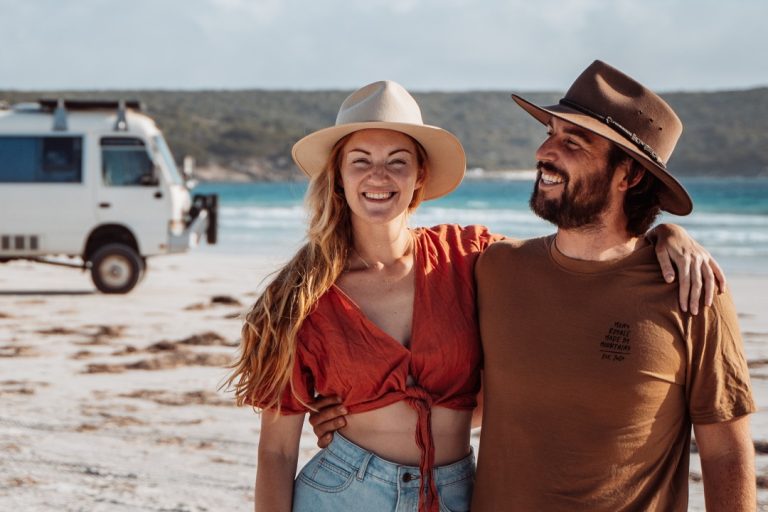
We’ve road tripped Tassie multiple times, including a 2-month stint where we really got to know and fall in love with the place.
So if you’re planning your first lap, 10 days is the perfect balance! It’s enough to see the big-ticket spots without feeling like you’re just ticking boxes.
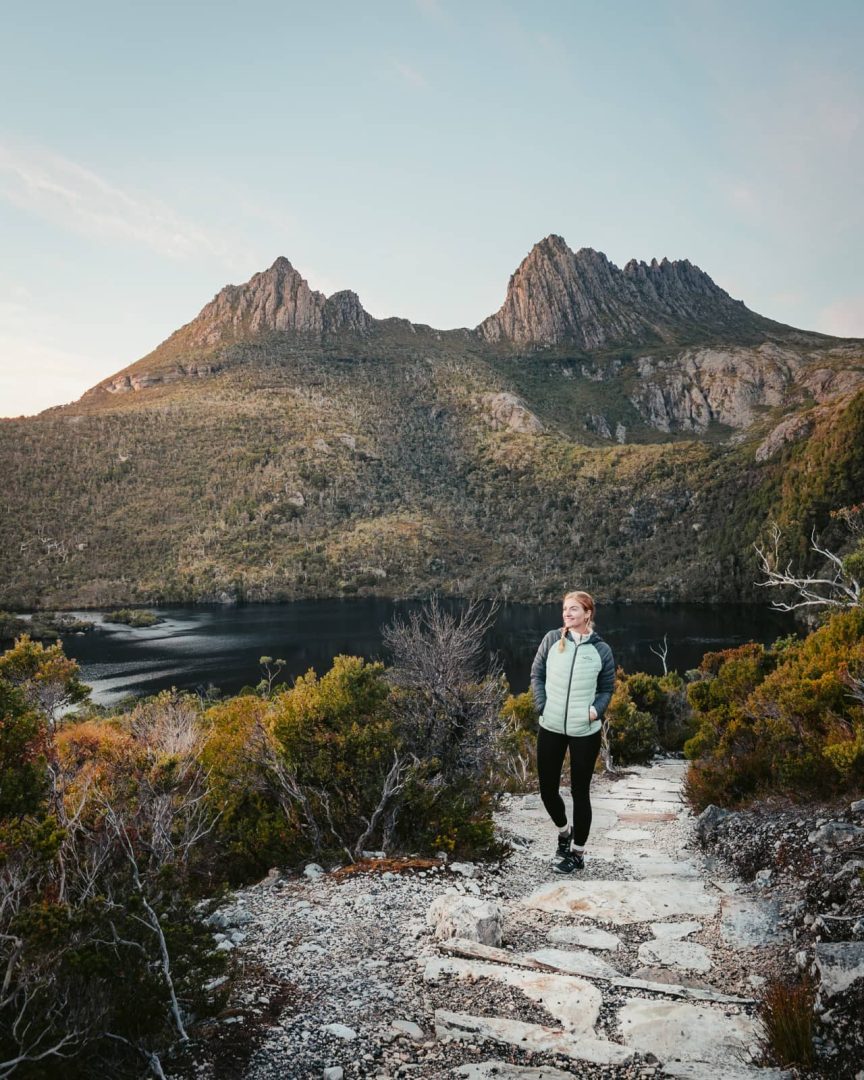
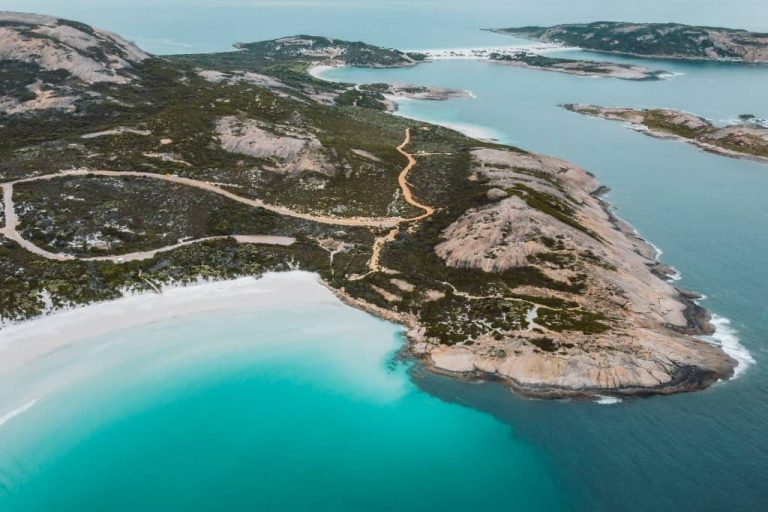
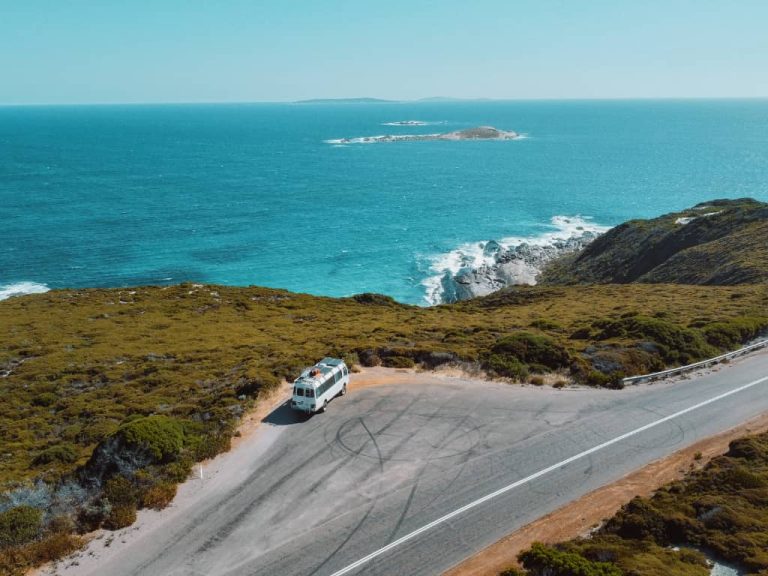
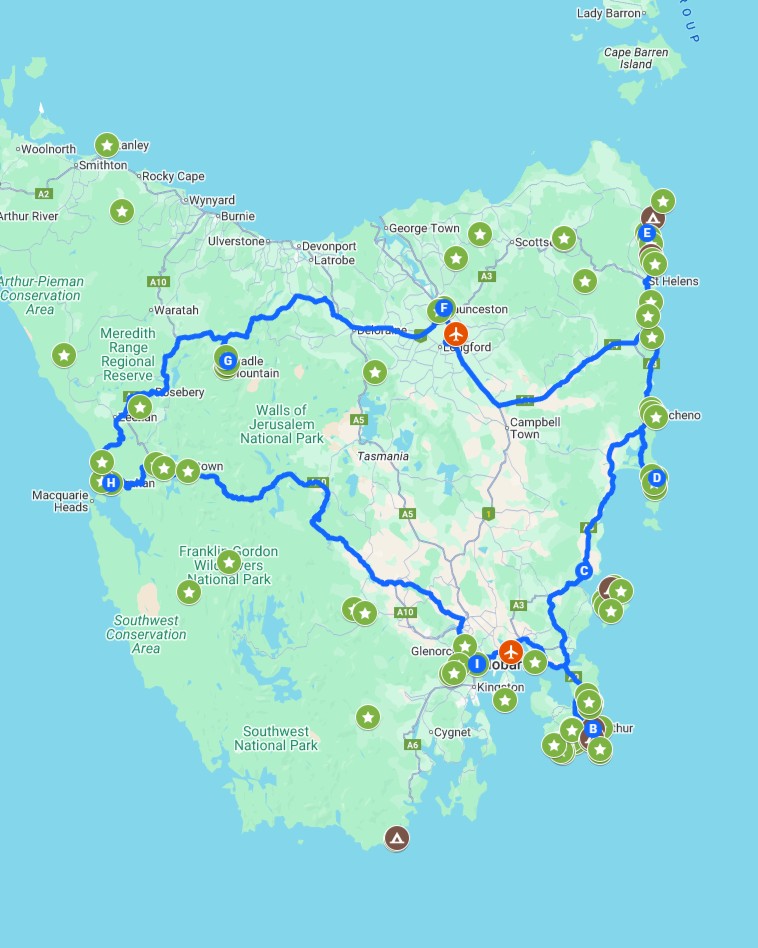
This itinerary loops you around the island, with overnight stops in some of our absolute favourite spots.
Like a day on Maria Island, a hike on one of the Three Capes, Cradle Mountain, and plenty of time to soak up Tassie’s wild coastlines, forests, and food.
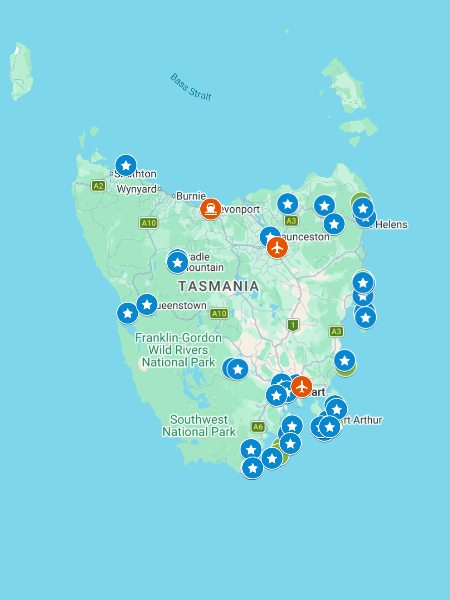
Bruny Island is at least a full-day detour from Hobart, although we recommend 2-3 days there to actually enjoy the place. Same goes for the full Three Capes Track, that’s a 3-4 day mission on its own.
You’ll also need to plan smart. Shops shut sometimes as early as 7-7:30pm, and driving after dark is risky, wildlife is everywhere and they don’t care about your headlights!
So we’ve packed this guide with our full day-by-day plan, where to stay, what to do, and all the stuff we wish we’d known before our first trip.
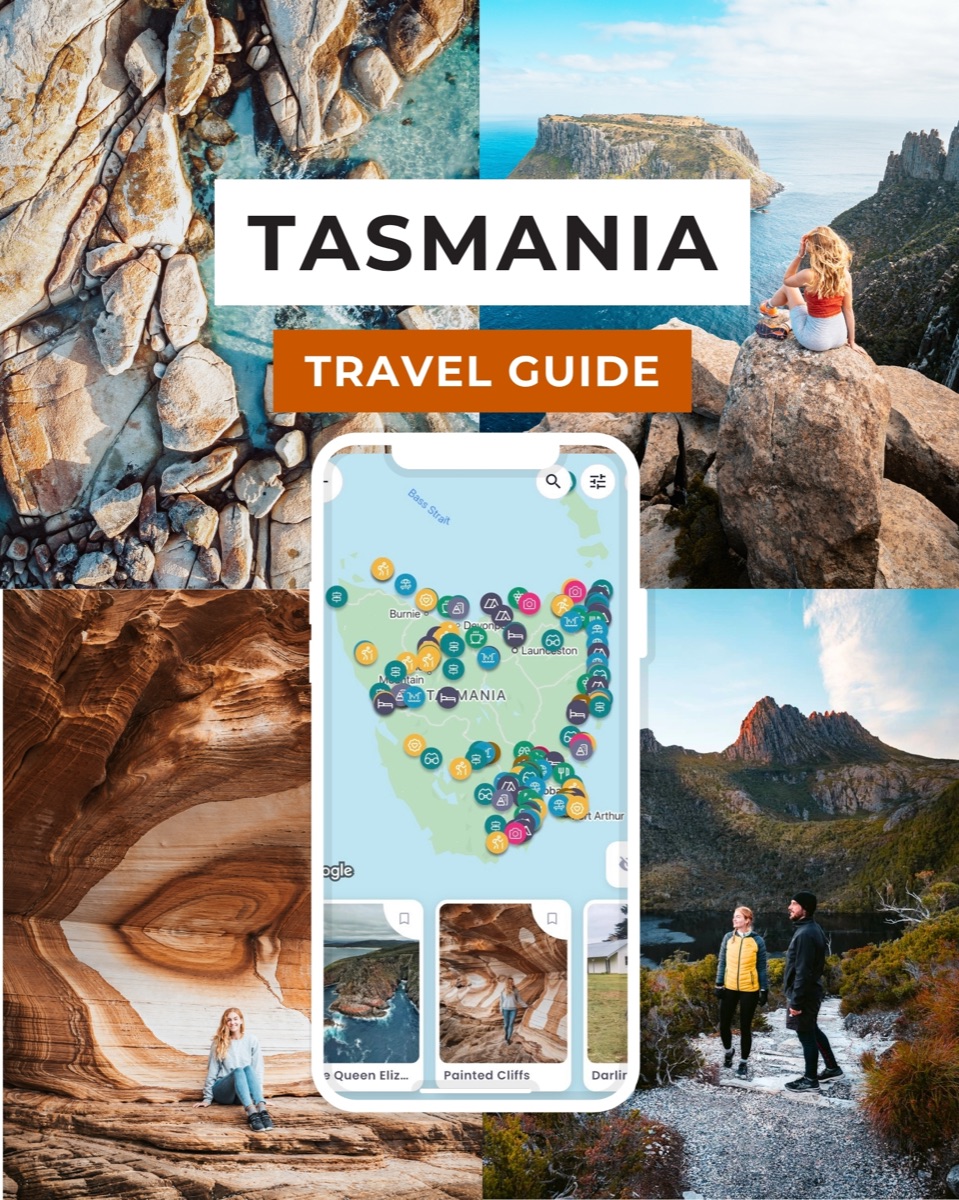
There’s also a free map of this road trip you can save to your phone, which you’ll want because the phone signal drops out more than you’d think!
We recognise the traditional owners of the lands we’re exploring in Tasmania, the Muwinina and Palawa peoples.
Day 1: Hobart to Port Arthur (1h 15m, 90km)
Kick off your Tassie road trip with a nice drive down to the iconic Port Arthur.
It’s a short drive, but you’ll want to leave Hobart early so you can do a few stops along the way. After Sorell, food gets a bit scarce, so grab snacks or lunch before you hit the road.
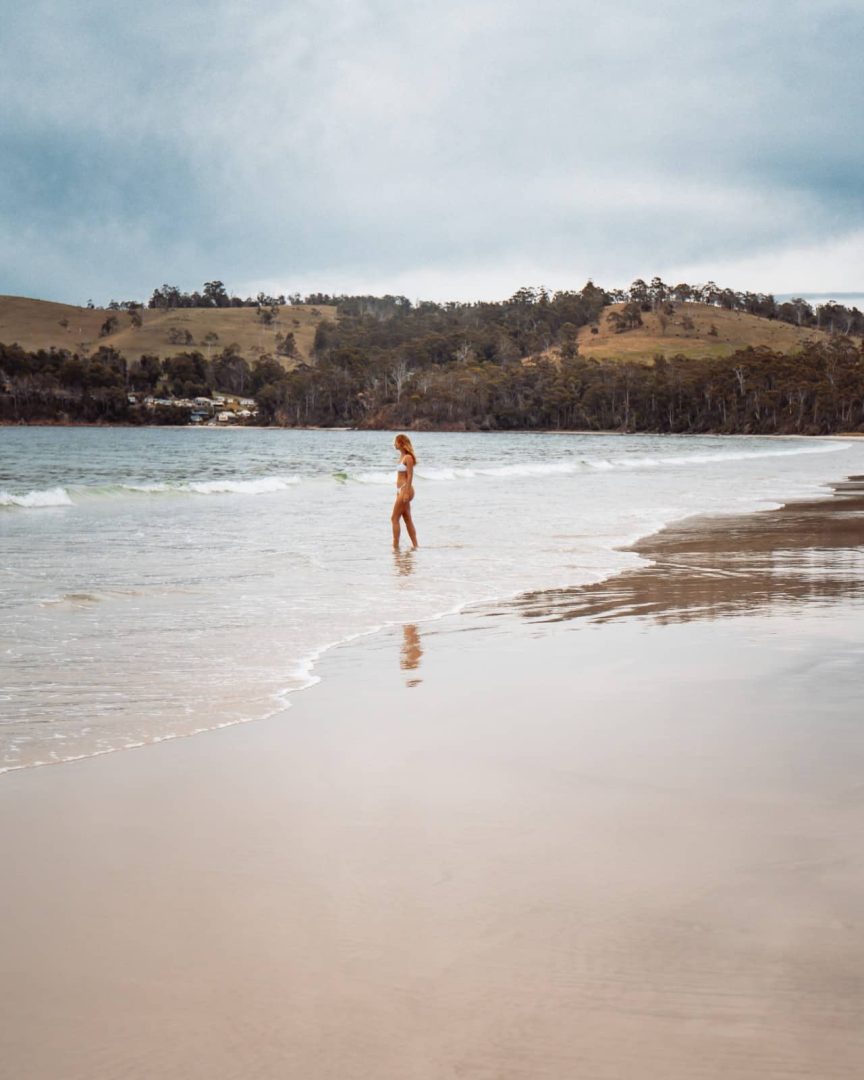
Here are some stops worth pulling over for:
- Tessellated Pavement. It’s a wild rock formation that looks like someone laid tiles on the beach. You can see them at low tide.
- Waterfall Bay Lookout. If you’re not up for a big hike, this one’s a breeze and the views are incredible. It’s 3.4km return, 1-1.5 hours.
- Tasman Arch and the Devil’s Kitchen. Both are massive coastal features carved out by the ocean, and you barely have to walk from the carpark to see them.
- Port Arthur Historic Site. You can easily spend 2–3 hours there, it’s a beautiful waterfront spot with a painful past worth learning about. There are coffee shops and great views, too.
- Memorial Garden. To never forget the 1996 massacre that occurred here, a tragic event that led to major changes in Australia’s gun laws.
Now, we think everyone should hike at least one of the Three Capes, especially if it’s your first time visiting.
So if you’re game, we recommend the Cape Hauy Track!
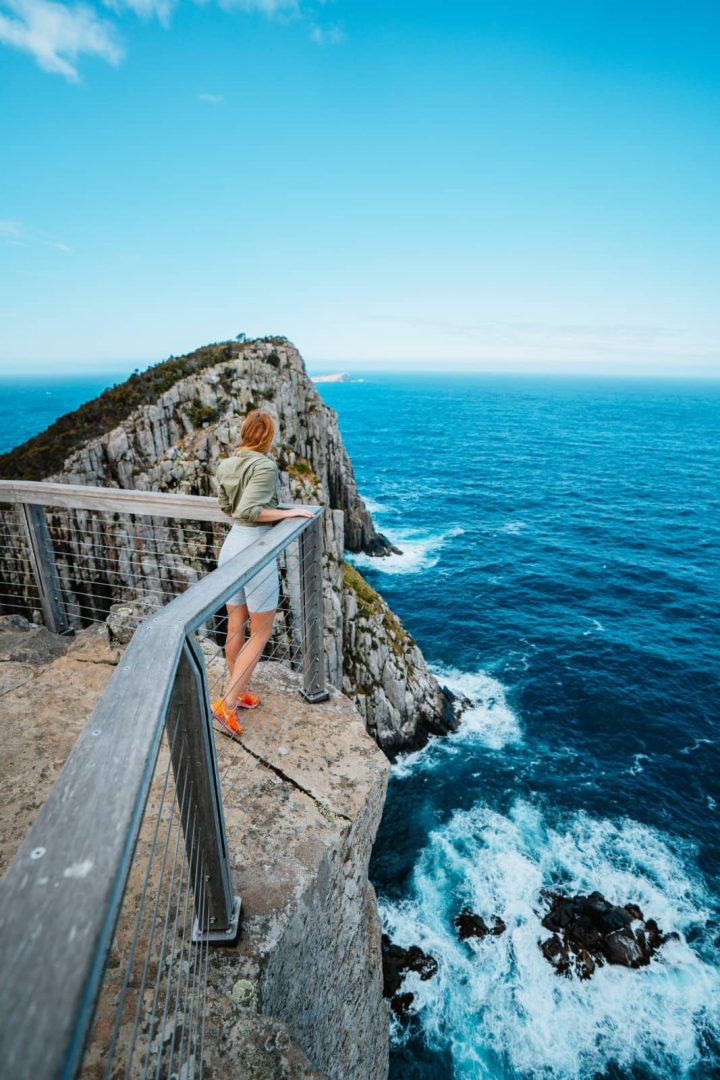
It’s the shortest one, a 10km (~4 hours) return walk that starts and ends in Fortescue Bay. The track is well-maintained, although it’s steep in parts, but the views are next level.

That said, you’ll need to either start early or save it for tomorrow if you want to do Port Arthur properly.
Where to stay in Port Arthur
Port Arthur and Eaglehawk Neck have a handful of solid spots, but things book out fast in busy months (summer), so don’t leave it too late.
Here are the spots we recommend staying at:
- Fortescue Bay Campground, especially if you’re keen on hiking the next day. Facilities are pretty basic so you’ll need to be self-sufficient.
- NRMA Port Arthur Holiday Park is a good all-rounder with cabins and powered sites. It’s handy if you want a few more comforts without staying in a hotel per se.
- Port Arthur Motor Inn is a budget-friendly hotel that’s close to the historic site. It’s nothing fancy, but it does the job if you just need a place to crash.
- Lufra Beachside Hotel at Eaglehawk Neck is a bit pricier, but it’s right next to the water and is a nice luxury option. Worth it if you want to wake up to ocean views!
Day 2: Port Arthur to Maria Island (1hr 45m, 100 km)
Today you’ll head north from Port Arthur to Triabunna to catch the ferry to one of our favourite spots in Tassie, Maria Island! Which is why we recommend spending 1 night there.
Check the ferry timetable and plan your drive so you’re not rushing.
Also, you’ll need to bring everything you want to eat and drink, because there are zero shops or cafés on Maria Island.
Grab all your food and supplies in Triabunna before you board, and all your rubbish must be packed out.
Here’s what you shouldn’t miss while in Maria Island:
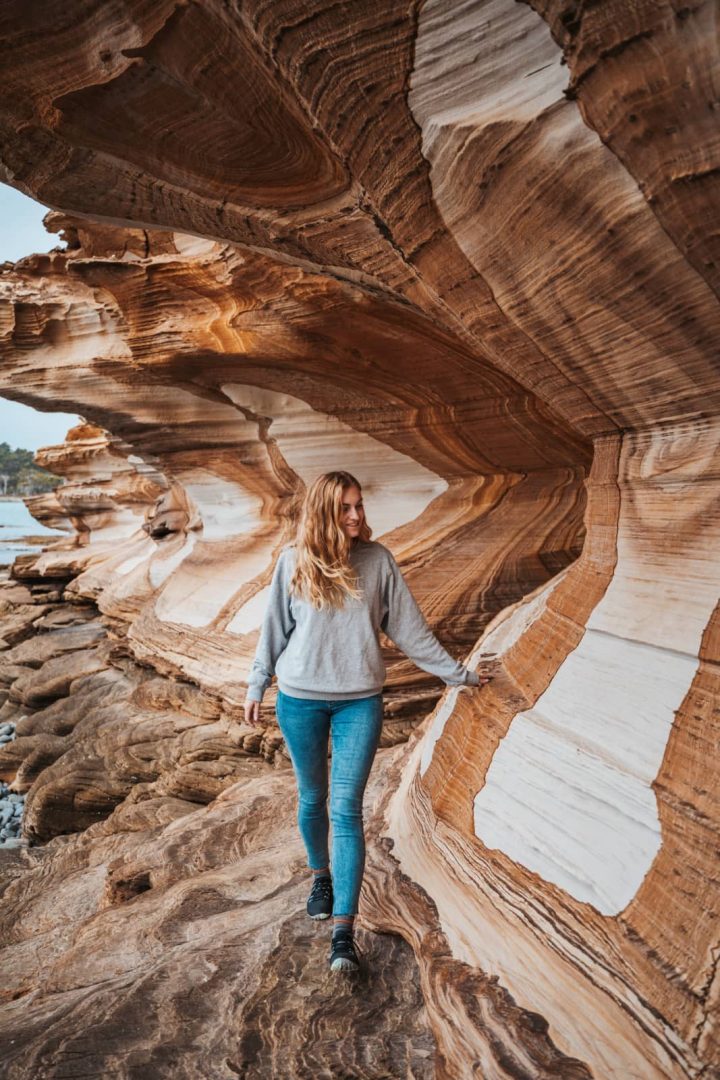
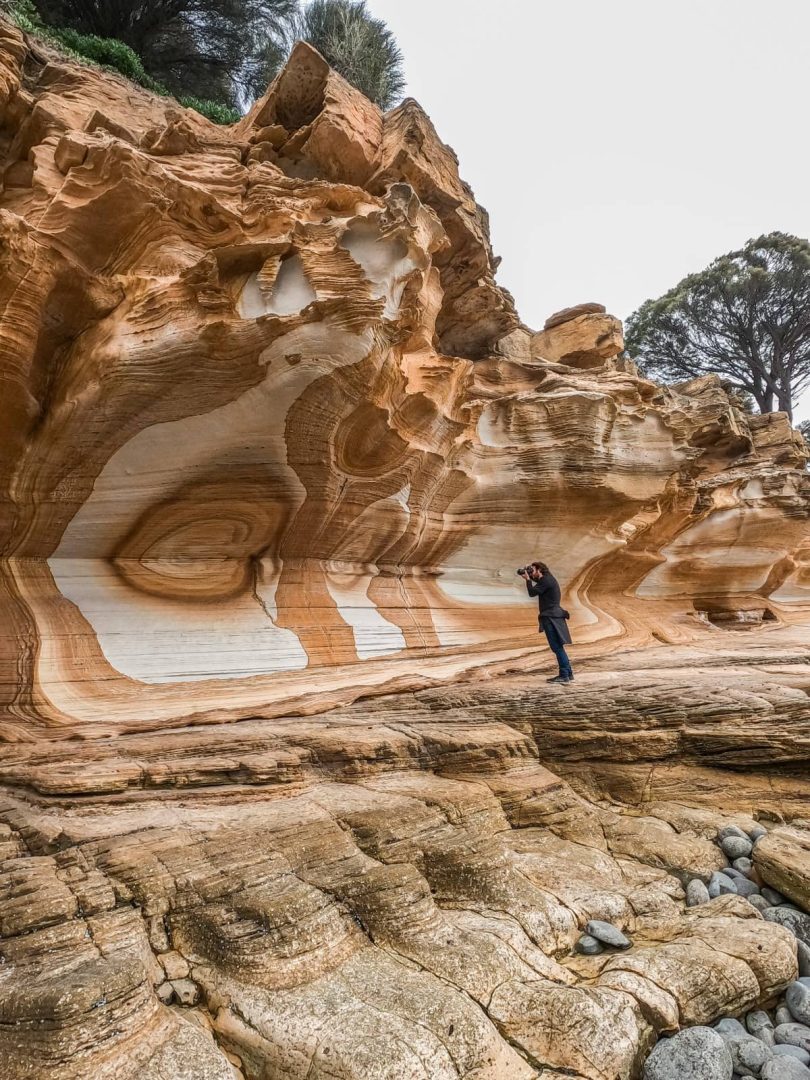
- Painted Cliffs. Beautiful spot with these mesmerising patterns, it’s only visible at low tide, though. It’s the spot everyone comes for, but it never feels crowded. Great snorkelling nearby, too.
- Wildlife spotting. Wombats and Tasmanian devils are everywhere!
- Darlington Convict Site. Well-preserved old buildings and ruins, easy to wander around and soak up the history.
- Fossil Cliffs. An easy 4.5km loop walk with incredible views of the ocean and heaps of ancient fossils.
- Bishop and Clerk Hike. It’s steep and rocky but the views are worth every step. It’s 12km, 4-5 hours return.
Where to stay on Maria Island
Accommodation in Maria Island is very limited and pretty basic, but honestly, that’s half the fun! Here are the most popular stays on the island:
- Penitentiary Accommodation. Simple bunk rooms inside a historic convict building. No electricity, but a great atmosphere!
- Maria Island Campground (Darlington). Basic bush camping just a short walk from the ferry and close to where the wombats hang out. Book early if you’re coming in peak season.
- Frenchs Farm & Encampment Cove. These are remote hike-in campsites for anyone doing the full island circuit. No facilities at all, so you’ll need to carry everything in.
Day 3: Maria Island to Freycinet (1hr 30m, 110km)
Jump on the ferry back to Triabunna in the morning, then hit the road north towards Freycinet National Park, home of the famous Wineglass Bay!
Swansea is a good spot to break up the drive, grab some lunch and enjoy the water views! It’s a pretty little town and a nice way to stretch your legs before the national park.
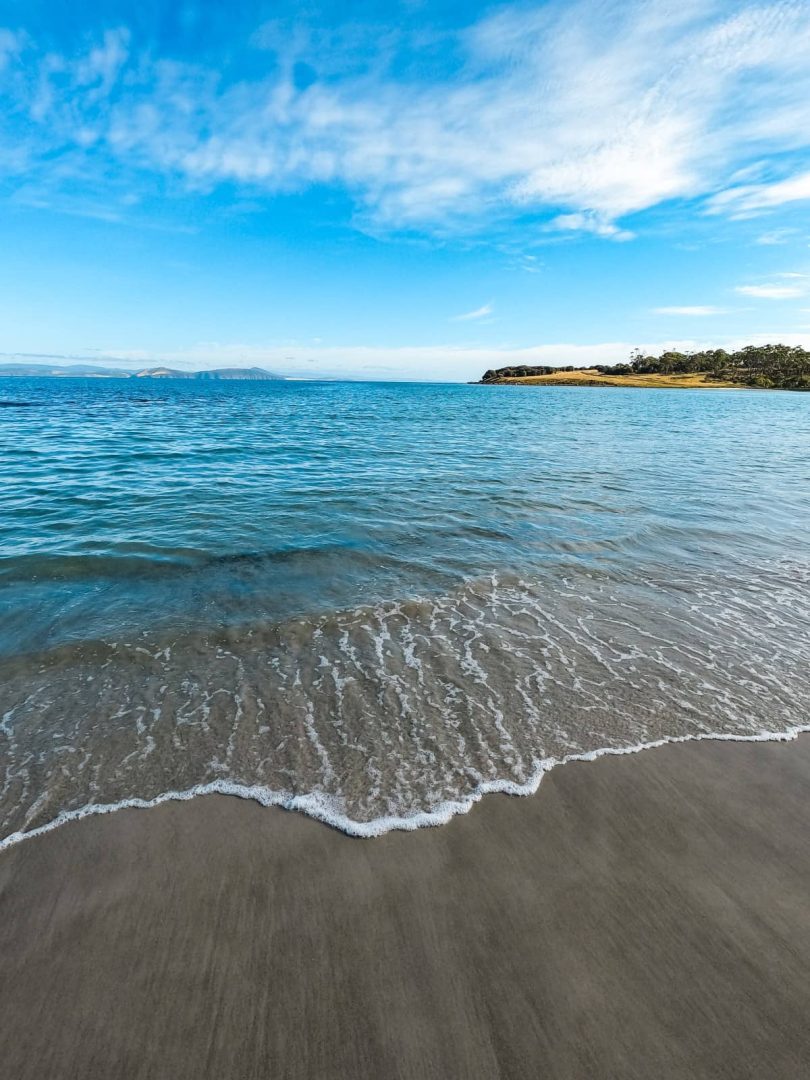
Here’s what you can do around Freycinet during your stay:
- Wineglass Bay Lookout. This is the classic view you’ve seen in all the photos. The walk is about 1-1.5 hours return, mostly uphill but on a good path. You’ll get a killer view of the bay at the top, totally worth the effort.
- Wineglass Bay Beach. If you’re feeling energetic, keep going down the steps from the lookout into the beach itself. It’s another 2+ hours return from the lookout and the climb back up is a slog, but the views are worth it.
- Mount Amos. This one is a challenging, steep rock scramble (about 3 hours return) and gets very slippery if it’s wet, but the views over Wineglass Bay are next level. Only do it if you’re confident in your physical skills.
- Honeymoon Bay. A calm, sheltered spot for a swim or just to chill out. Good for a picnic and usually not too busy.
- Sleepy Bay. Another scenic beach close by, easy to access and great for a wander.
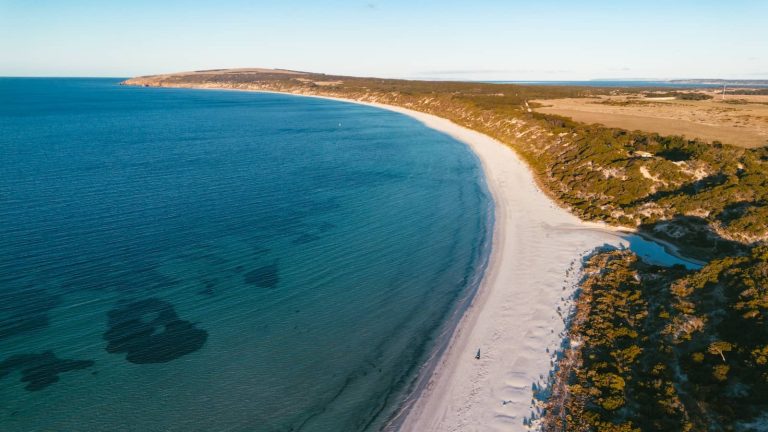
- Friendly Beaches. If you’re keen on bush camping, this spot is free and right by the ocean! We loved it.
Freycinet has a mix of short and long walks, so you can pick what suits your energy levels. No matter which one you choose, the views are pretty special.
Where to stay in Freycinet NP
Coles Bay is the nearest town, very trendy and with lots of nice cafés. But it’s small so if you want to stay there, book ahead!
Here are some spots we recommend staying at:
- Wineglass Bay Campsite. Basic but one of the most sought-after sites, so book ahead! The views are unbeatable.
- Friendly Beaches. Free camping and right by the water, one of our favourite spots. No facilities except toilets, so come prepared and don’t expect showers.
- BIG4 Iluka on Freycinet. Solid pick if you want powered sites or a cabin. It’s close to town, so you can stroll to the pub or grab a coffee in the morning.
- Freycinet Lodge. It’s inside the park and a bit of a splurge, but the views and location are hard to beat if you’re keen for something special.
Day 4-5: Freycinet NP to Bay of Fires (1h 45m, 125km)
Today’s drive isn’t long, but there’s heaps to check out along the way!
The first stop is Bicheno. Great coffee spots and excellent fish and chips. The Bicheno Blowhole is a quick stroll from the centre and it’s worth a look, especially if the swell’s up.
But if you can spare an extra night, it’s a great spot to stay!
At dusk, you can watch fairy penguins waddle up the beach. And if you time it right with low tide, you can walk out to Diamond Island. Both are tricky to squeeze in if you’re just passing through during the day.
Now, the stretch from Bicheno to the Bay of Fires is known as the Surf Coast, so if you’re keen, definitely beach hop your way north. Here are a few spots worth pulling over for:
- Four Mile Creek Beach
- Steels Beach
- Beaumaris Beach
Depending on how much you stop, you might want to crash in one of the little towns along the way. Everything in Tassie shuts early, so don’t push on too late.
If you’re sticking to this itinerary and heading straight to Bay of Fires, make sure you get to St Helens before 7pm for supplies! Camping at Bay of Fires is as basic as it gets.
There are heaps of things to do in the Bay of Fires, so definitely consider spending an extra day here!
Where to stay in the Bay of Fires
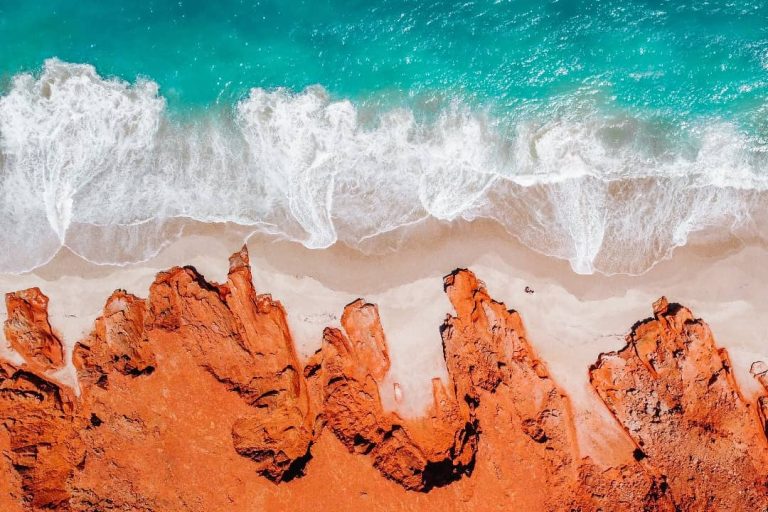
Honestly, go camping! It’s some of the best we’ve found anywhere in Australia. Plus, the campsites are free and right on the beach, waking up to those views is unreal.
Check out the official list of camping sites here. They fill up quickly in summer, so get in early if you want a spot.
If you want a few more comforts, these are some good paid options nearby:
- BIG4 St Helens Holiday Park. Top pick for families, with all the facilities and just a short drive from the Bay of Fires.
- Bay of Fires Bush Retreat. Stylish glamping, close to the coast but with a bit more luxury than your average tent.
- Prefer a hotel? Head to Saint Helens. Panorama Hotel is a solid choice if you want something a bit fancier, or go for Bayside Hotel if you’re watching your budget.
Day 6: Bay of Fires to Launceston (2h 15m, 180km)
Today you’ll head inland towards Launceston, the second biggest town in Tassie. The drive takes you through thick forest, rolling farmland, and tiny towns, so classic Tassie countryside!
Stop at St Columba Falls for a quick rainforest walk to one of the state’s tallest waterfalls (easy, 20 mins return).
And if you’re into mountain biking, you’ll love Derby. We tried some tracks, Chris loved them and Bec was terrified LOL. There’s also a lakefront sauna if you’re keen!
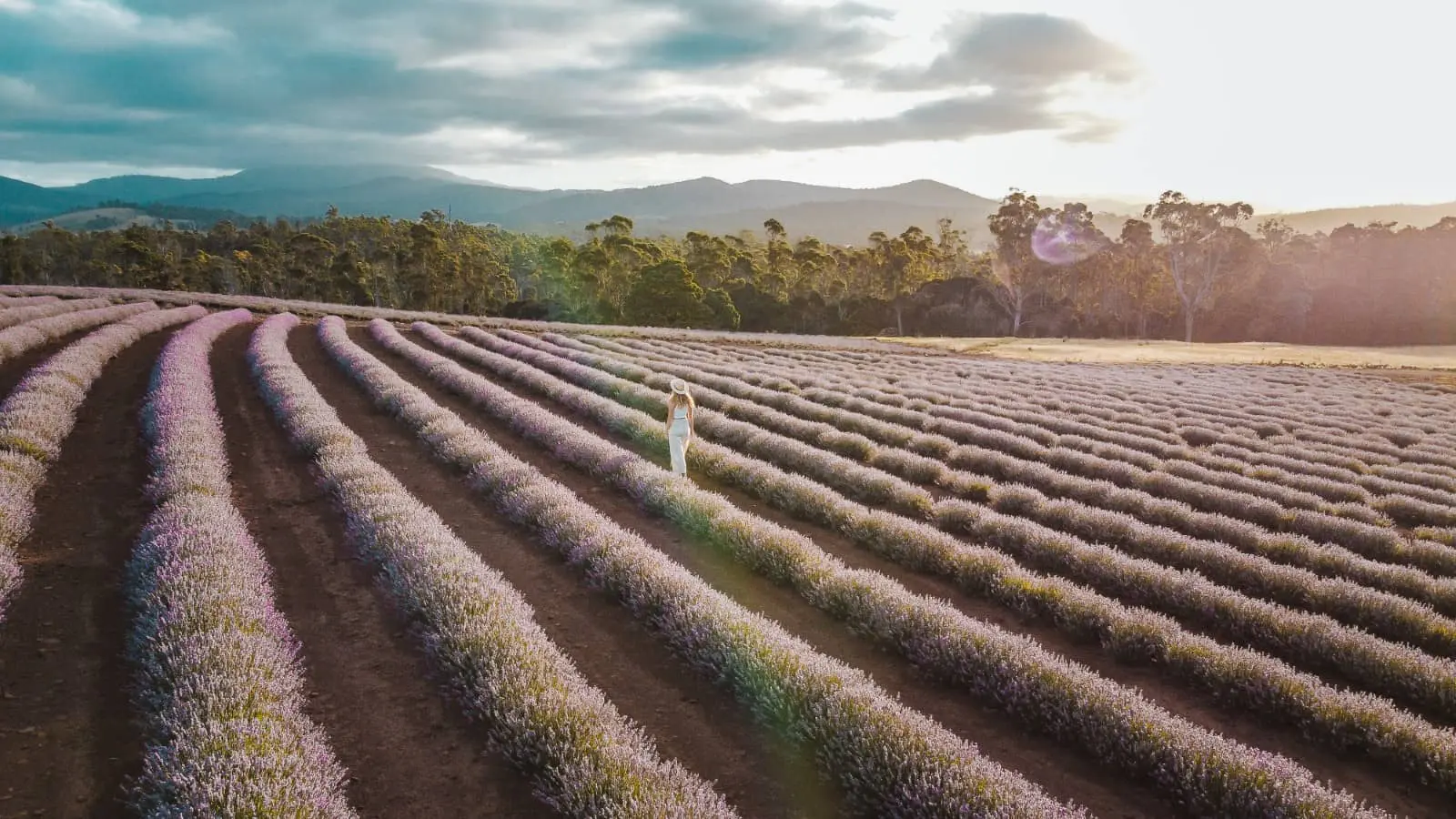
If you’re here Dec–Feb, swing by Bridestowe Lavender Estate for a photo. It’s a very touristy spot but it’s beautiful and smells amazing.

Once you hit Launceston, check out Cataract Gorge. Ride the chairlift or just wander over the suspension bridge, it’s a top spot for sunset.
The Tamar Valley wineries are just north of town, perfect for a cheeky tasting before you call it a day.
Where to stay in Launceston
Launceston has plenty of options! Here are a few we reckon are worth a look:
- BIG4 Launceston Holiday Park is a good pick if you’re camping or want a cabin. It’s family-friendly and you’ll have space to spread out.
- Leisure Inn Penny Royal is a solid mid-range spot. It’s central, so you can walk to most things, and the old mill vibe is a bit different.
- Peppers Silo Hotel is the one to book if you’re after something fancy. It’s literally built inside old grain silos and the river views are top-notch.
- The Dragonfly Inn is a quirky B&B with a bit of character, perfect for the Gilmore Girls fans out there!
Day 7-8: Launceston to Cradle Mountain (2h 10m, 170km)
Today you’re heading west into alpine country, you’ll watch the scenery flip from rolling farmland to beautiful rugged peaks.
Leave after brekkie and aim to get to Cradle Mountain early to make the most of your time, you’ll spend two nights there.
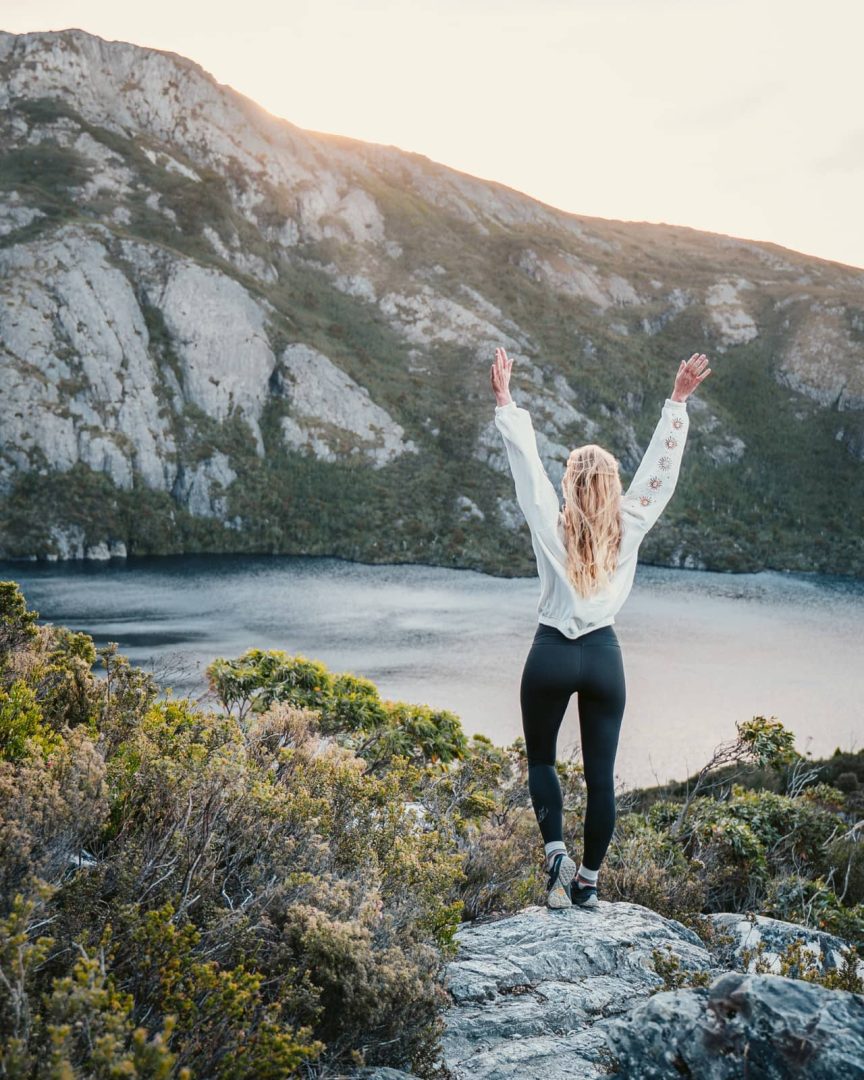
Once you arrive, you’ll need to pay the National Park fee at the bottom. If you’ve got a Tassie Parks holiday pass, you’re sorted for entry, but you’ll still need to pay for the shuttle.
Here are some things to do with your first afternoon and the next day:
- Dove Lake Circuit. This is a cruisy 2-3 hour walk with epic views of the mountain. It’s popular for a reason, it’s a great intro to the area.
- Marion’s Lookout. If you want a bit more of a challenge, this half-day hike is our pick. The views over Cradle Mountain are unreal. It’s ~7km (3 hours) and you can combine it with Dove Lake for a longer hike.
- Wombats at dusk. You’ll see them near the Dove Lake car park as the sun goes down, they’re adorable.
- Full summit hike. This one’s a beast (8–10 hours, very steep and rocky). Save it for tomorrow and get a good sleep. We did it and it’s tough but worth it if you’re up for a big day.
A few things to know about Cradle Mountain before you go:
- Shuttles run often from the Visitor Centre and take you to all the main spots.
- Private vehicles are only allowed up to 7am or after 5pm, so plan around that.
- Motorhomes aren’t allowed up to Dove Lake at any time, so park up at the Visitor Centre and use the shuttle.
Where to stay in Cradle Mountain
There aren’t heaps of places to stay near Cradle Mountain, so you’ll want to book early, especially in peak season.
Most options are either inside the park or just outside the entrance, and prices are higher than average. You’re paying for the location, after all.
These are some spots we recommend:
- Discovery Parks Cradle Mountain is a good pick for mid-range cabins and powered sites. It’s right near the park entrance, so you can roll out of bed and hit the trails early.
- Peppers Cradle Mountain Lodge is the splurge option. It’s got a spa, a decent restaurant, and cosy rooms, nice if you want to treat yourself after a big day of hiking.
- Waldheim Cabins are the most basic, but they’re run by the park and perfect if you just want a roof and a heater. Don’t expect luxury, but you can’t beat the location for early morning walks.
Day 9: Cradle Mountain to Strahan (2h, 150km)
The drive today isn’t long, but it’s full of bends and narrow bits, so don’t rush it.
You’re heading for Tassie’s wild west coast, and it feels like a different world compared to the east, way more rugged and heaps of rainforest.
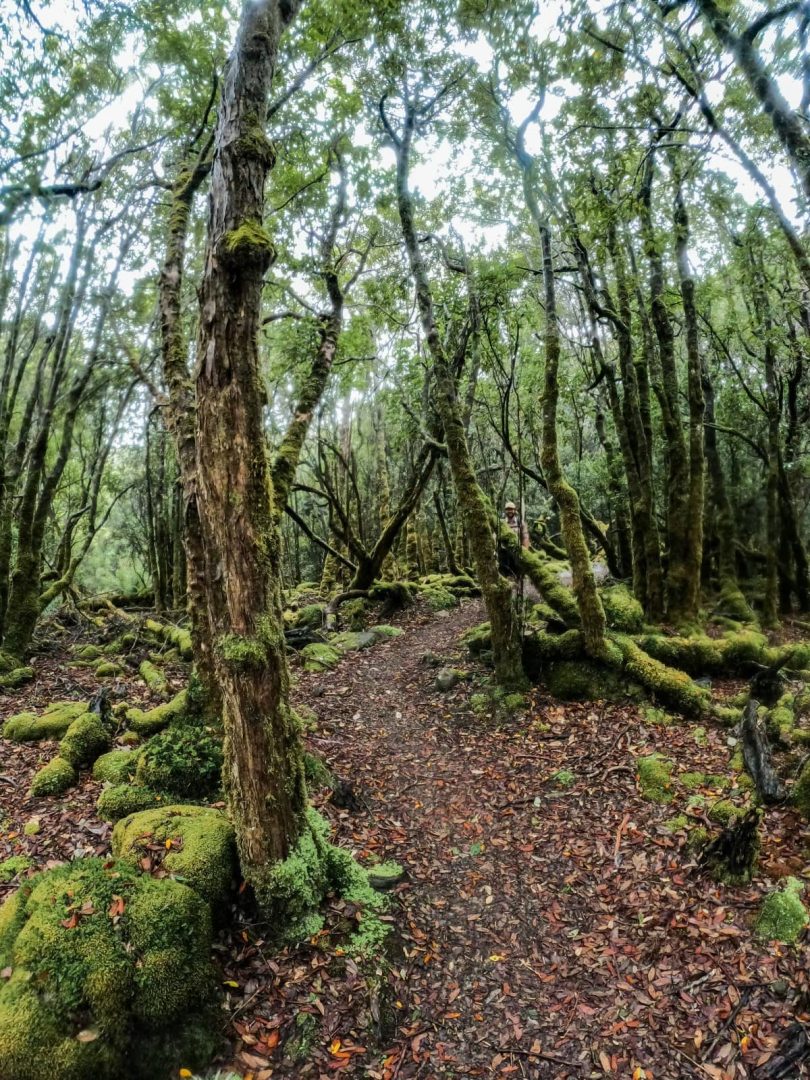
Your destination is Strahan, a tiny harbour town and the main base for exploring this side of Tassie. It’s a good spot to slow down and get a taste of the wild west!
Here are some stops worth pulling over for:
- Zeehan. Old mining town with a proper heritage centre if you’re into history or just want a break from the car.
- Gordon River Cruise. This is the big-ticket experience here. You can do a half or full day, it’s pricey but the scenery is unreal!
- Ocean Beach. Tassie’s longest beach, wild and windy. Come for sunset if you can, but bring a jacket.
- Henty Dunes. Massive sand dunes just out of town, great for sandboarding or just running around like a kid.
- Hogarth Falls. Short, easy walk through the rainforest to a waterfall. Good leg-stretcher after all that driving.
Where to stay in Strahan
Strahan is a small spot, so you won’t be overwhelmed with options, but what’s here is pretty good. Most places are close to the harbour, so you’re never far from the action.
Here are some we recommend:
- Strahan Beach Tourist Park is a good pick if you’re camping or in a van. It’s got roomy sites and you can walk to the water in a couple of minutes.
- BIG4 Strahan Holiday Retreat is another solid campground, with cabins if you want a bit more comfort. There’s a creek running through it and plenty of trees for shade.
- Strahan Backpackers is the go for budget travellers. It’s basic but clean, and you can walk to the main street without breaking a sweat.
- Strahan Village is the fancier option. It’s right on the waterfront, so you get cracking views of the harbour.
Day 10: Strahan to Hobart (5h, 300km)
This is the longest drive of the trip, and the roads are seriously windy, so take it easy. Pack snacks and water, and plan for a few stops to stretch your legs and actually enjoy the scenery.
Here’s how we’d break it up:
- Queenstown. Grab a coffee before driving the wild “99 Bends” road. It’s a proper zig-zag, so take it slow.
- Nelson Falls. Quick rainforest walk, only 20 minutes return, but it’s lush and worth the stop.
- Lake St Clair. Deepest lake in Australia, perfect for a picnic or just a breather by the water.
- Mount Field National Park. Don’t skip Russell Falls and the Tall Trees Walk. It’s a great final hike before city life!
- New Norfolk. Last decent café stop before Hobart, so fuel up if you need it.
If the drive feels like too much in one go, you can always crash overnight near Mount Field and roll into Hobart the next day.
Once you hit Hobart, it’s worth sticking around for an extra day or two if you’ve got the time. Here’s what we reckon you shouldn’t miss:
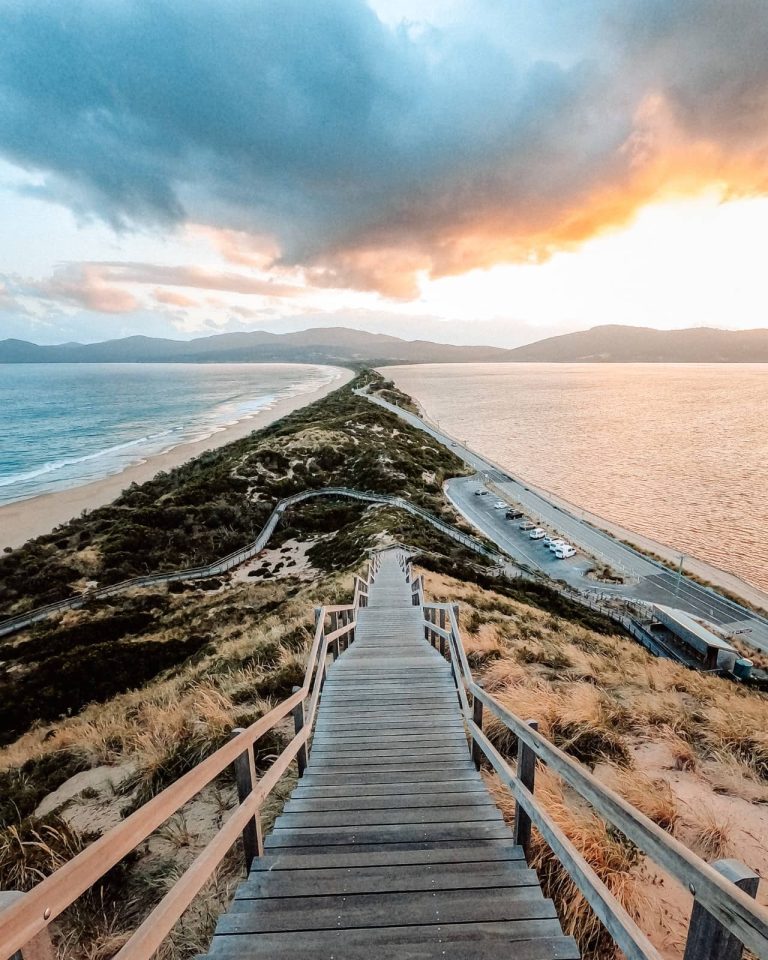
- Bruny Island. You could do a full day from Hobart but honestly we recommend spending 2-3 days there. It has great oysters, epic hikes, and solid beach camping!
- Cockle Creek. This is the southernmost drivable point in Australia, and one of our favourite places in Tasmania! Great camping, but allow 2–3 days extra.
- Mount Wellington. Drive or hike up for sunrise or sunset. The views are unreal, but bring a jacket, it’s always freezing up top.
- MONA. The Museum of Old and New Art is wild, weird, and absolutely worth a visit even if you’re not a “museum person.”
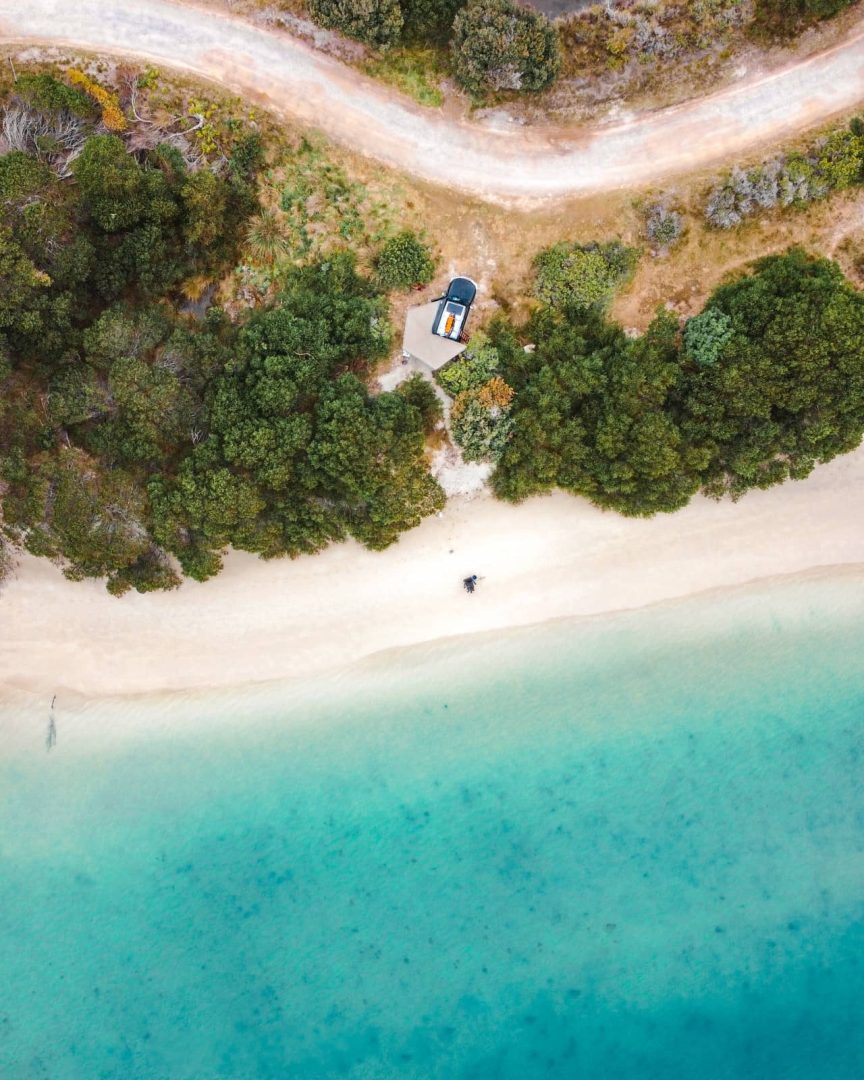
Here are some epic tours to do while in Tassie:
Planning your 10-day Tasmania itinerary
How to get to Tasmania
Most people fly into Hobart or Launceston and rent a car there.
Others take the Spirit of Tasmania ferry from Geelong to Devonport to bring their own car, caravan, motorbike, etc.
Regardless of how you get there, a car is essential for getting around, since public transport is pretty limited.
Most places are on sealed roads, so you don’t need a 4WD unless you’re chasing remote campgrounds or off-grid spots.
For car rentals, we like to compare prices on Booking’s car rental and Discover Cars. Book whichever gives you the best deal!
But if you’re hiring and want to ferry the vehicle, double-check that the company allows this. Some don’t, so don’t risk a fine.
Moving around Tassie
You’ll need a park pass to get into any national park in Tassie.
The best value is the Holiday Pass, it lasts 2 months and covers all parks (including Cradle Mountain), but you’ll still need to pay extra for the Cradle Mountain shuttle. Check the latest info here.
But if you’re bringing a car over on the ferry from Geelong, double-check the rental company allows it. Don’t risk a fine.
Now, roads in Tassie can be winding, steep, and a bit slow-going, so give yourself extra time between stops.
Wildlife is everywhere too, and animals love to wander onto the road, especially at dawn and dusk. So, take it easy and keep your eyes peeled when driving during those times.
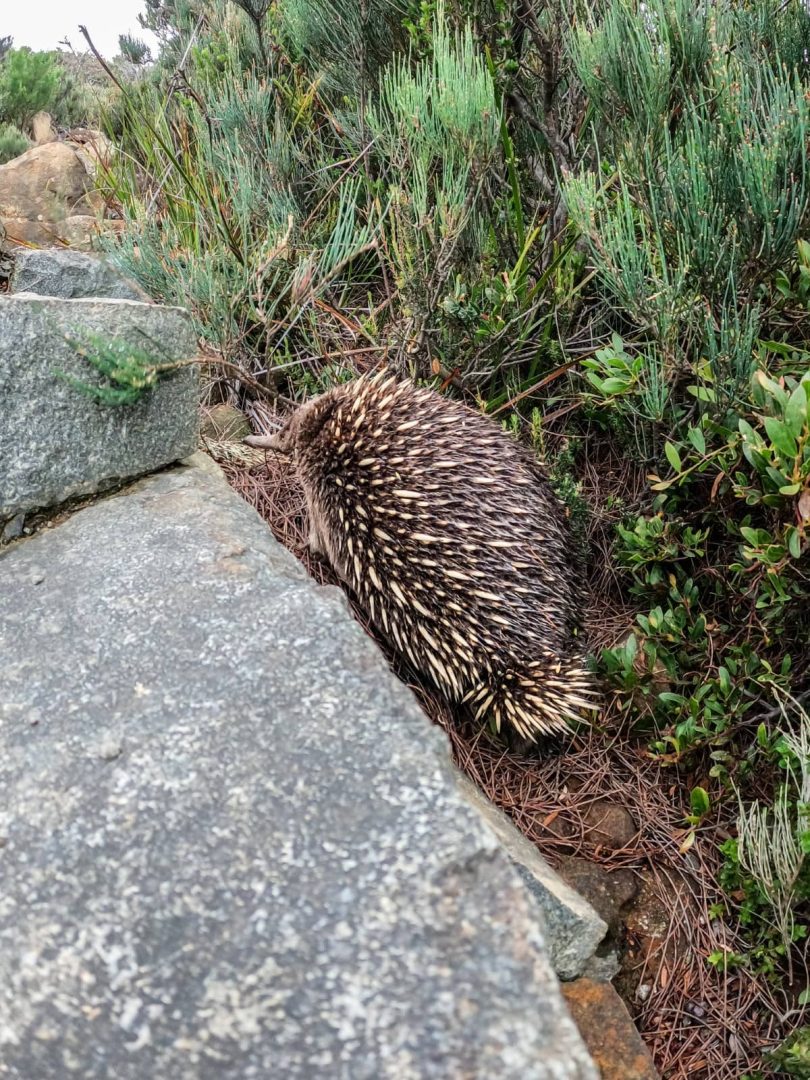
Also, and we say this lovingly, Tassie feels like a step back in time. There are old barns, sheep in paddocks, and tiny towns where everything shuts by 7 or 7:30pm.
So it’s key to plan your grocery runs and fuel stops, or you might find yourself out of luck after dark!
This slower pace and rugged feel are part of Tassie’s charm, but it does mean you’ll need to be a bit more organised.
Best time to visit Tasmania
Honestly, there’s no bad time to hit Tassie, each season has its perks:
- Summer (December to February) is the peak tourist season. The beaches are at their best, lavender fields are popping, but it’s busy and prices jump, so book ahead if you don’t want to miss out.
- Spring (September to November) and autumn (March to May) are perfect for hiking. Spring brings tulips in full bloom, while autumn puts on the “turning of the fagus”, where whole hillsides light up in orange and gold.
- Winter (June to August) is underrated in our opinion. It’s peak oyster season, and if you’re keen on the aurora australis, this is your window (anywhere from March to September is good). Just watch out for snow and take it easy on those winding roads.
What to pack?
Tassie’s weather is crazy weird, you can have four seasons in a day, a bit like New Zealand. Even in summer, there can be wild winds and sideways rain.
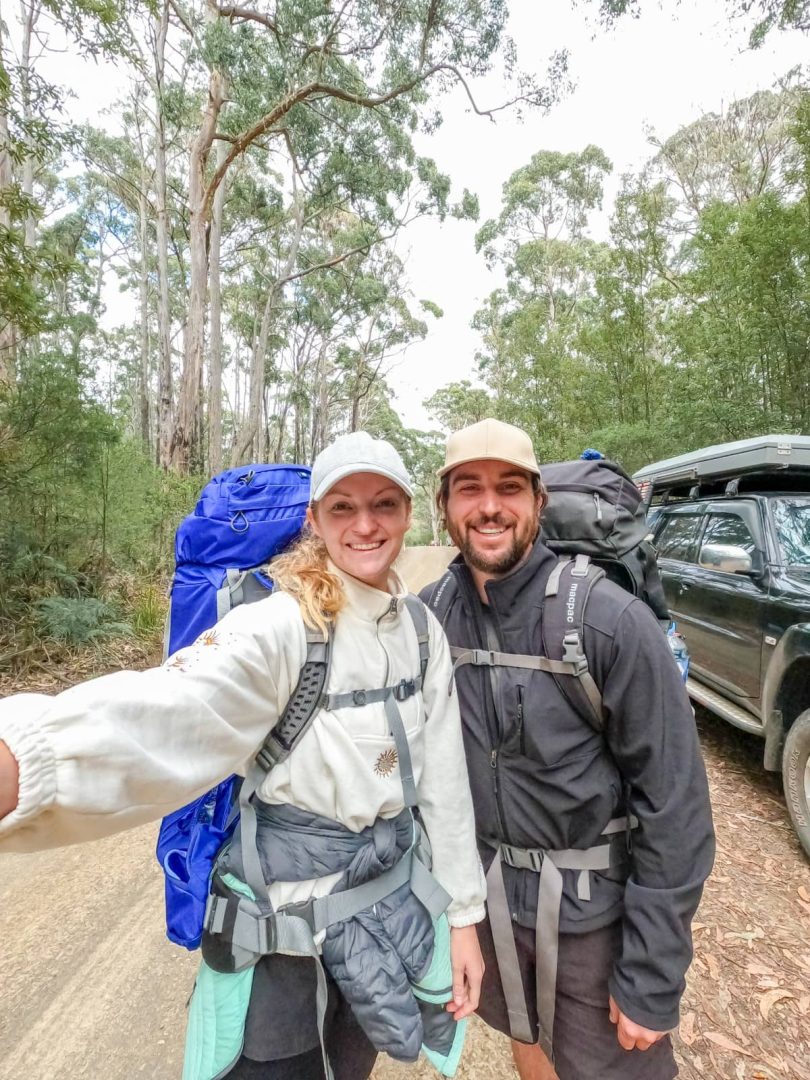
So you must come prepared for all seasons. And if you’re heading out hiking (especially big ones like Cradle Mountain), pack:
- A proper waterproof jacket with a hood and storm front, plus waterproof over trousers (seam-sealed, breathable)
- Sturdy walking boots (not runners, you’ll regret it)
- Warm layers (fleece or wool jumper, thermal base layers)
- Hat and gloves (even in summer)
- Spare socks (leeches are a thing)
For non-hikers, you’ll still want:
- A rain jacket or umbrella
- Decent shoes for muddy tracks
- A warm jumper (the chill sneaks up on you)
Don’t stress if you forget something, though. Tassie’s full of outdoor shops, so you can grab gear in most towns. Just don’t underestimate the weather, or you’ll be soggy and shivering before you know it!
Camping in Tasmania
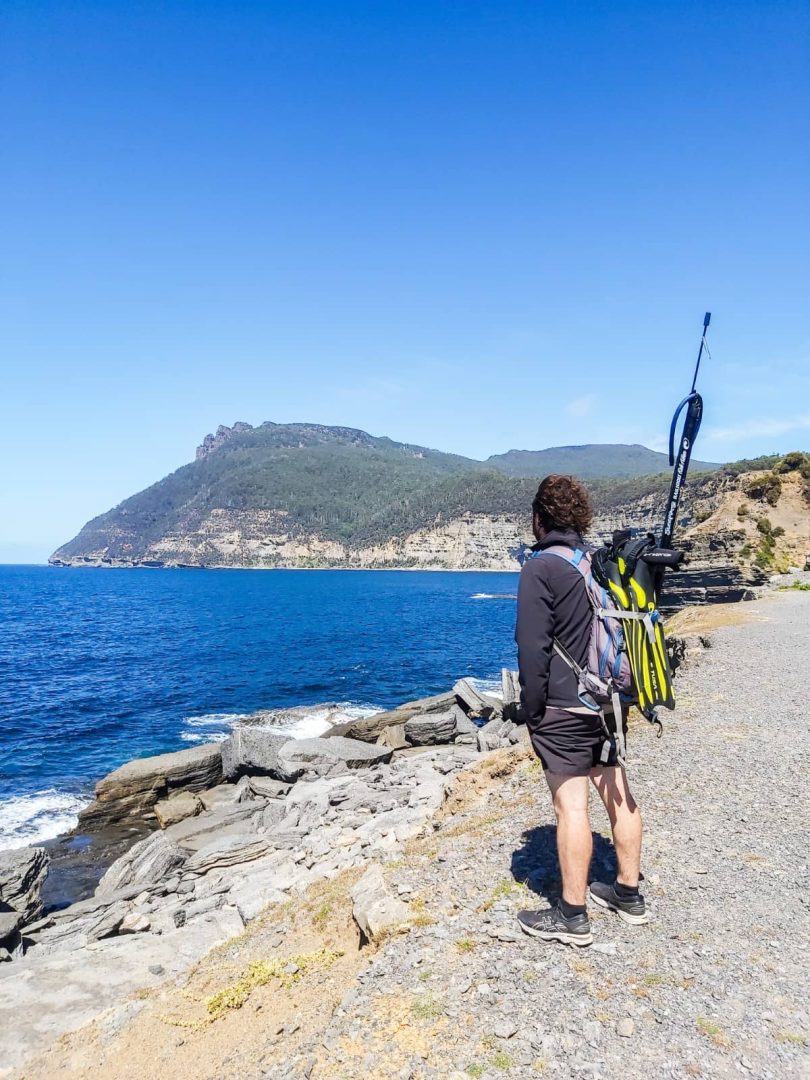
Camping in Tassie is incredible, some of the best in the country! It’s one of the easiest places to camp because the whole state is set up for it, and you don’t need to spend a fortune.
Apart from all the free camps available, we found heaps of pubs that let you stay overnight in their car park if you grab a meal or a drink. It’s a win-win, cheap spot to sleep and a great meal.
Some rec clubs and even golf courses open up their grounds for campers. We paid as little as five bucks a night at a few, and the spots were unreal.
A couple of places were right next to waterfalls, so you could wake up and go for a wander before brekkie!
You’ll want to carry some cash for these stays, though, some might not take cards.
FREE map of this Tasmania itinerary (10 days)
Top Tips
Tasmania looks small on the map, but the roads are narrow, winding, and often drop speed without warning. Even “short” drives can take longer than Google Maps suggests, especially between Cradle Mountain, Strahan and the west coast.
Also, stock up on food and fuel before leaving any major towns. Once you leave places like Sorell, Triabunna, Bicheno and St Helens, options thin out fast, and some towns only have a single café or a small general store.
And bring cash. Some small vendors, roadside stands, or older caravan parks on the east coast still prefer cash or have patchy EFTPOS connections.
Did you know?
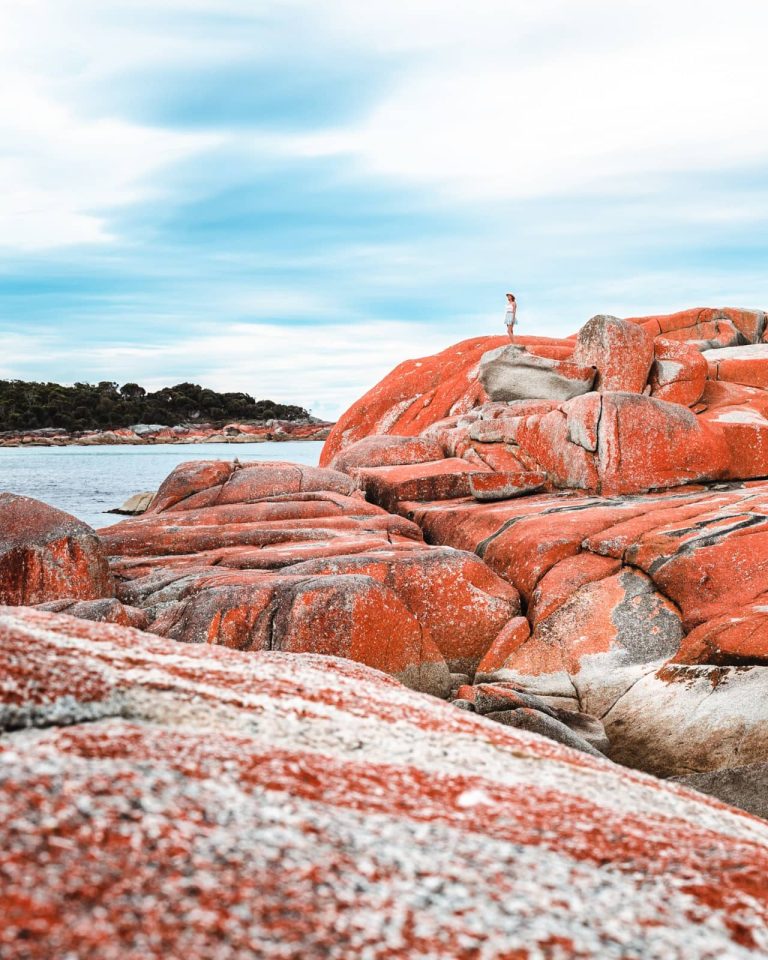
The Bay of Fires gets its famous orange glow from tiny lichens clinging to the granite boulders, not from the rocks themselves!
Maria Island’s Painted Cliffs look like something out of an art gallery, but it’s just layered sandstone, sculpted by wind and waves over thousands of years.
Long before any of this was mapped or named, the Palawa people lived across Tasmania for at least 40,000 years, shaping the land and its stories well before colonisation.
FAQs
Do you need a 4WD to drive around Tasmania?
No, you don’t need a 4WD to drive around Tasmania if you follow this itinerary, all the main sights included are 2WD-friendly.
If you’re heading over in winter, keep an eye on the weather. Snow can hit the highlands, so you might need to pack snow chains for your tyres.
Make sure to sort these out before your Tassie road trip
Now that you’ve got your Tassie itinerary sorted, it’s time to lock in the practical stuff! Don’t leave this to the last minute, car hire, ferry spots, and even some campsites book out fast, especially in peak season.
Here are our go-to tools and essentials to make your road trip easy and affordable:
- Car rentals: Check out Discover Cars or Booking’s car rental for pick up in Hobart or Launceston. Compare both for the best deal on your dates.
- Accommodation: Free camping is unbeatable in Tassie, but if you want a bed, Booking has loads of options and Airbnb is worth a look too.
- Tours: Want to book a few tours while you’re there? Browse some top Tassie tours here.
- National Park Entry: Grab your holiday pass from the Tasmania Parks & Wildlife Service. But remember that the Cradle Mountain shuttle isn’t included, you’ll pay for that when you get there.
- Ferry bookings: Book your Spirit of Tasmania ferry early, car spots go quick. If you’re heading to Maria Island, book your ferry here.
- Aurora app: If you’re keen to spot the southern lights, download the Aurora Australis app to get real-time alerts.
Our Essential Travel Toolkit
🤩 Wise Card – Online bank to hold money in different currencies worldwide and lowest fees in the market! (FREE debit card here)
🤩 Trip.com – Consistently great accommodation and hotel deals.
🤩 Hostelworld – Looking for the cheapest accommodation? We especially love the “book now, pay later” feature.
🤩 Discovercars.com – Best range, super easy to compare prices rental car and motorhome prices.
🤩 Viator.com – Easily book tours and experiences at the lowest rate. Great selection all over Australia.
🤩 Tripadvisor.com – Other than our website…😉 the best place to find things to do
🤩 Airalo – eSIM store that solves the pain of high roaming bills by giving travelers access to eSIMs (digital SIM cards).
🤩 Caravan RV Camping – Traveling Australia in a van, caravan or bus? This is the best place to get all your gear.